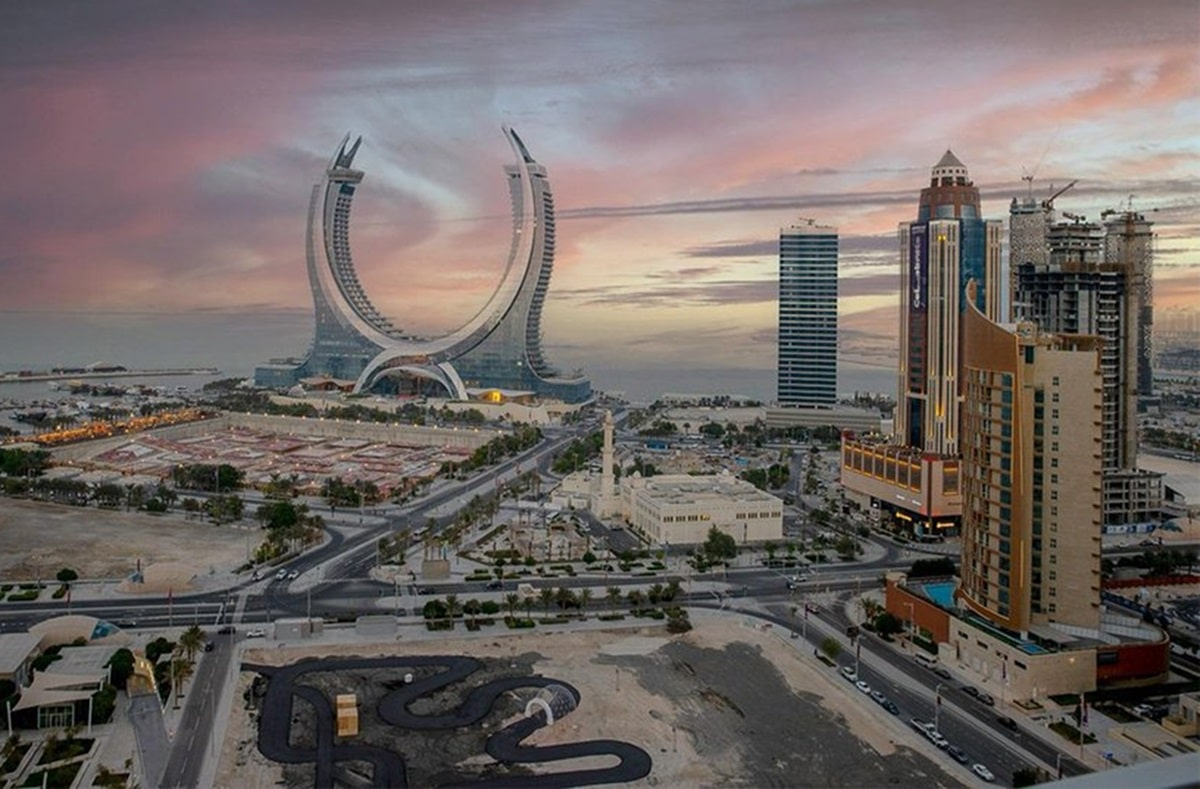
In recent years, the landscape of retail real estate has undergone significant changes. The evolution of consumer behavior, technological advancements, and economic shifts are driving new retail real estate trends that are redefining how we think about shopping spaces. Understanding these trends is crucial for investors, retailers, and consumers alike, as they influence everything from property values to shopping experiences.
The retail real estate sector is often viewed as a barometer of economic health. As consumer preferences evolve, so too does the nature of retail spaces. Keeping a finger on the pulse of retail real estate trends allows stakeholders to make informed decisions, ensuring they remain competitive and relevant in a rapidly changing environment.
Engaging with these trends provides insights into what consumers want, how they shop, and where they choose to spend their money. This understanding can lead to strategic investments and improved customer experiences.
One of the most significant retail real estate trends in recent years has been the rise of e-commerce. As online shopping becomes more prevalent, brick-and-mortar retailers are adapting to maintain their relevance. This shift has led to the following developments:
Retailers are increasingly adopting omnichannel strategies, blending online and offline experiences. Physical stores are now designed to serve as showrooms, fulfillment centers, and community hubs rather than just traditional sales points.
As a result, many retailers are downsizing their physical footprints, focusing on smaller, strategically located stores that cater to local markets. This trend is particularly evident in urban areas where space is limited but demand for experiential shopping remains high.
In response to the challenges posed by e-commerce, many retailers are turning to experiential retail as a way to draw customers into physical locations. This trend focuses on creating unique, memorable experiences that go beyond mere transactions.
Experiential retail features interactive elements, such as workshops, live demonstrations, and personalized services. These experiences encourage customers to spend more time in stores and foster brand loyalty. Retailers are investing in technology that enhances the shopping experience, such as augmented reality and interactive displays, making visits more engaging and enjoyable.
Sustainability is no longer just a buzzword; it has become a critical factor in retail real estate trends. Consumers are increasingly concerned about the environment, leading retailers to adopt sustainable practices.
From energy-efficient buildings to eco-friendly materials, sustainability initiatives are influencing the design and operation of retail spaces. Developers are focusing on creating green buildings that reduce the carbon footprint and promote a healthier environment for shoppers. Moreover, retailers are highlighting their commitment to sustainability as part of their brand identity, appealing to environmentally conscious consumers.
Location remains a crucial element in the success of retail real estate. However, the definition of an ideal location is shifting. Urban areas, once seen as the prime spots for retail, are facing competition from suburban locations.
The pandemic accelerated this trend, as many consumers sought out the convenience and safety of suburban shopping. Retailers are now reevaluating their locations, often opting for a mix of urban and suburban spaces to reach a broader audience. This hybrid approach allows retailers to tap into diverse consumer demographics and preferences, ultimately enhancing their market reach.
Technology is at the forefront of transforming retail real estate trends. From advanced analytics to artificial intelligence, tech innovations are helping retailers understand consumer behavior and optimize their spaces.
Smart building technologies are being integrated into retail properties, enhancing energy efficiency and improving customer experiences. Automated inventory management systems and customer relationship management tools are also helping retailers streamline operations and better serve their clientele.
Additionally, the rise of mobile shopping apps and contactless payment options is reshaping how consumers interact with retail spaces, making transactions more seamless and efficient.
As we look to the future, retail real estate trends will continue to evolve in response to changing consumer behaviors and technological advancements. Investors and retailers must remain agile, adapting to these trends to stay relevant in an ever-changing market.
The focus on community engagement, personalized experiences, and sustainability will likely grow stronger. Retailers that prioritize these elements will not only enhance customer loyalty but also set themselves apart in a crowded marketplace.
The ongoing interplay between online and offline shopping experiences will shape the future of retail spaces. Finding the right balance will be key for retailers looking to thrive in this dynamic environment.
Understanding and adapting to retail real estate trends is essential for anyone involved in the industry. These trends are not just fleeting fancies; they represent the future of how we shop and engage with brands.
By embracing technology, sustainability, and the desire for unique experiences, retailers can create spaces that resonate with consumers while driving profitability. As the landscape continues to shift, staying informed about retail real estate trends will empower stakeholders to make strategic decisions that lead to long-term success.
Do Follow Estate Magazine on Instagram
Read Next – Qatar Real Estate Transactions Explained: A Practical Guide