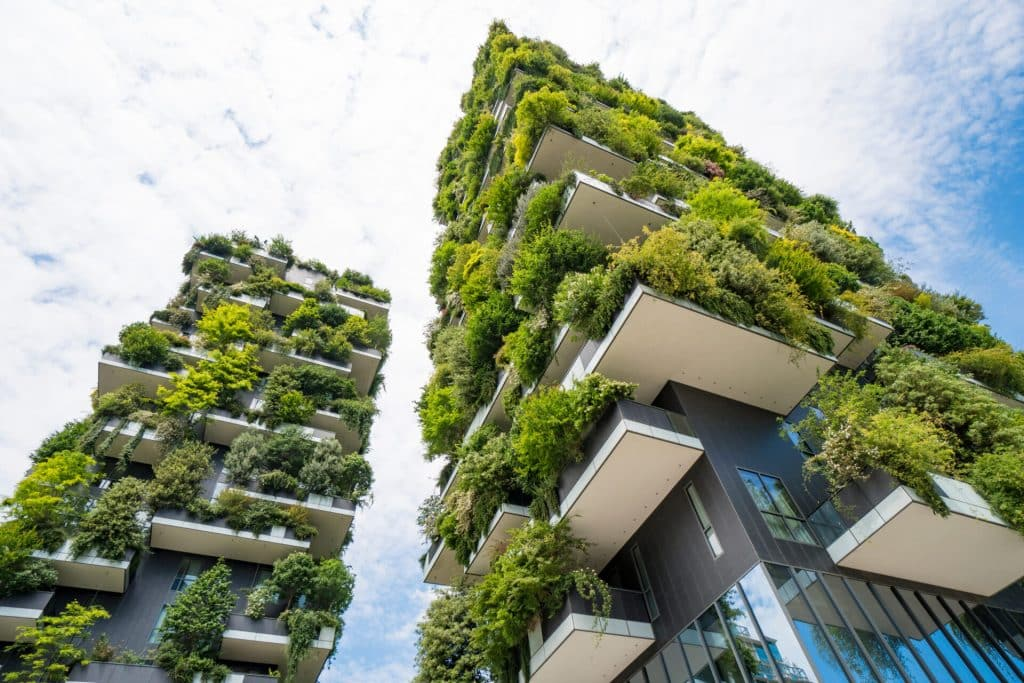
The Middle East is known for its vast deserts and architectural marvels, but a new trend is reshaping the region: green buildings. As the climate crisis looms, the emphasis on sustainability has never been more urgent. Green buildings in the Middle East are not just a passing trend; they represent a crucial shift towards environmentally-friendly living. These structures prioritize energy efficiency, sustainable materials, and innovative designs that harmonize with nature.
In this article, we will explore the significance of green buildings in the Middle East, their various benefits, and the forward-thinking initiatives that are setting the stage for a sustainable future.
Green buildings are designed to reduce their environmental impact while enhancing the quality of life for their occupants. They utilize sustainable materials, energy-efficient systems, and innovative designs to minimize their carbon footprint. In a region where resource management is critical, the development of green buildings in the Middle East plays a vital role in addressing environmental challenges.
The importance of green buildings transcends beyond aesthetics. They contribute to reducing greenhouse gas emissions, conserving water, and improving air quality. By adopting green building practices, the Middle East can lead the way in sustainable development, setting an example for other regions to follow.
When discussing green buildings in the Middle East, several key features stand out. These elements not only enhance sustainability but also cater to the unique environmental conditions of the region.
Energy Efficiency: Green buildings employ energy-efficient systems such as solar panels, LED lighting, and high-performance insulation. This reduces energy consumption, making buildings more cost-effective in the long run.
Water Conservation: In a region where water is scarce, green buildings incorporate systems like rainwater harvesting and greywater recycling. These technologies help conserve water and optimize its usage.
Sustainable Materials: The choice of materials in construction is crucial. Green buildings use locally sourced and recycled materials, reducing the carbon footprint associated with transportation and production.
Indoor Environmental Quality: Green buildings prioritize healthy indoor environments. They feature enhanced ventilation systems, low-VOC paints, and natural lighting, improving the well-being of occupants.
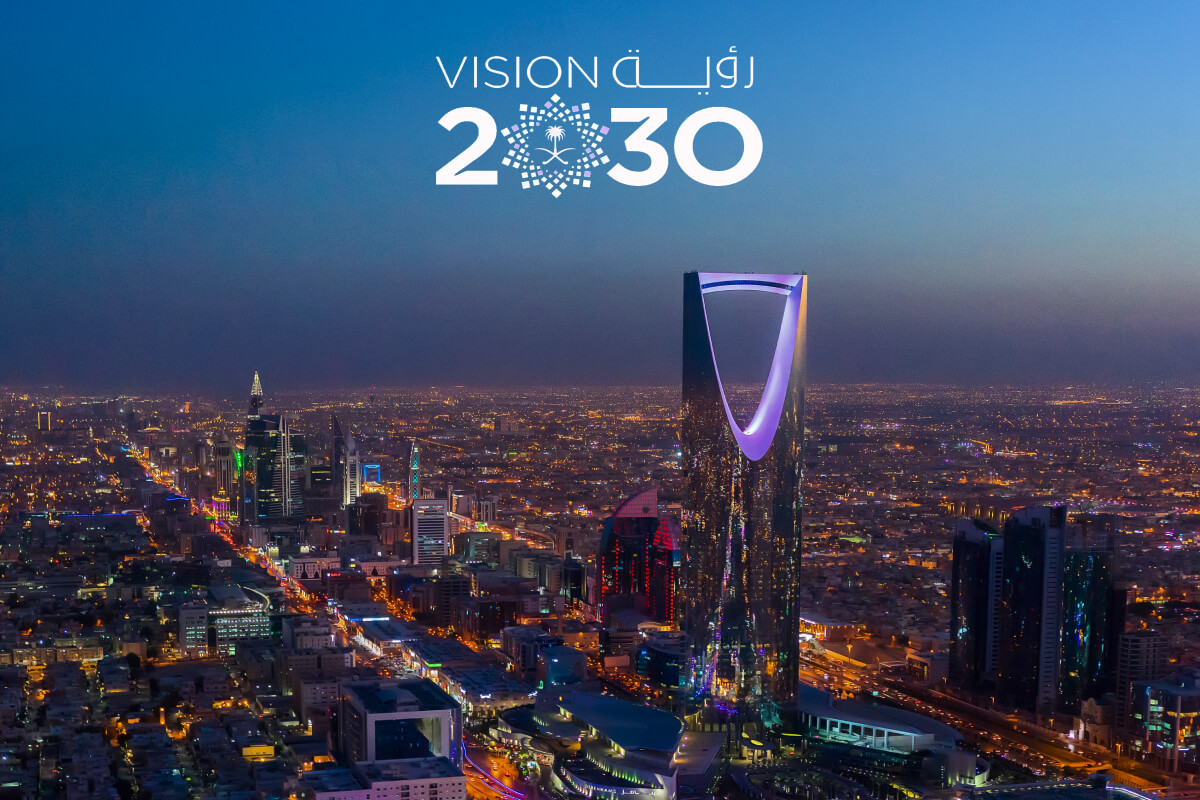
As awareness of climate change grows, so does the demand for green buildings in the Middle East. Governments and private sectors are increasingly recognizing the importance of sustainable development. Initiatives like the UAE’s Vision 2021 and Saudi Arabia’s Vision 2030 emphasize the need for eco-friendly practices in construction.
Real estate developers are also adapting to this demand. Buyers are now more inclined to invest in properties that reflect their values, particularly those that prioritize sustainability. This shift is prompting developers to innovate and incorporate green building practices into their projects.
Several remarkable green building projects highlight the commitment to sustainability in the Middle East. These projects serve as inspiring examples of how architecture can harmonize with the environment.
Masdar City: Located in Abu Dhabi, Masdar City is a pioneering project designed to be a hub for clean technology and sustainable living. The city utilizes renewable energy and incorporates innovative waste management systems, showcasing what a green urban environment can achieve.
The Sustainable City: Situated in Dubai, this community is designed to minimize its environmental impact. It features solar-powered homes, a biodome for urban farming, and a car-free environment, promoting a sustainable lifestyle for its residents.
Qatar’s Eco-Friendly Stadiums: With Qatar hosting the 2022 FIFA World Cup, several stadiums were designed with sustainability in mind. These structures incorporate advanced cooling technologies, solar panels, and eco-friendly materials, setting a benchmark for future sporting events.
Despite the growing interest in green buildings in the Middle East, several challenges remain. The region’s extreme climate can complicate the implementation of some green technologies, and there may be a lack of awareness or education regarding sustainable practices.
However, these challenges can be addressed with strategic planning and investment in research and development. Governments can provide incentives for green building projects, and educational programs can raise awareness about the benefits of sustainability. Collaborations between private sectors, academia, and governments can also foster innovation, leading to groundbreaking solutions tailored to the Middle East’s unique environment.
Looking ahead, the future of green buildings in the Middle East appears promising. As technology continues to evolve, more efficient and cost-effective solutions will emerge. The integration of smart technologies, such as IoT devices, can enhance energy management and further reduce environmental impacts.
Moreover, as global standards for sustainability become more stringent, the Middle East can position itself as a leader in green building practices. By prioritizing sustainability, the region can not only combat climate change but also enhance economic opportunities through green jobs and innovation.
In conclusion, green buildings in the Middle East are not just a trend; they are a necessary evolution in the way we approach construction and urban living. The benefits of sustainability extend beyond individual buildings, creating healthier communities and a more resilient environment. As initiatives continue to grow and awareness increases, the region is poised to become a beacon of sustainable development.
Embracing green buildings will not only improve the quality of life for current residents but also ensure a better environment for future generations. The journey towards sustainability is just beginning, and the Middle East is leading the charge.
Do Follow Estate Magazine on Instagram
Read Next – The Complete Guide to Mastering Real Estate Transactions