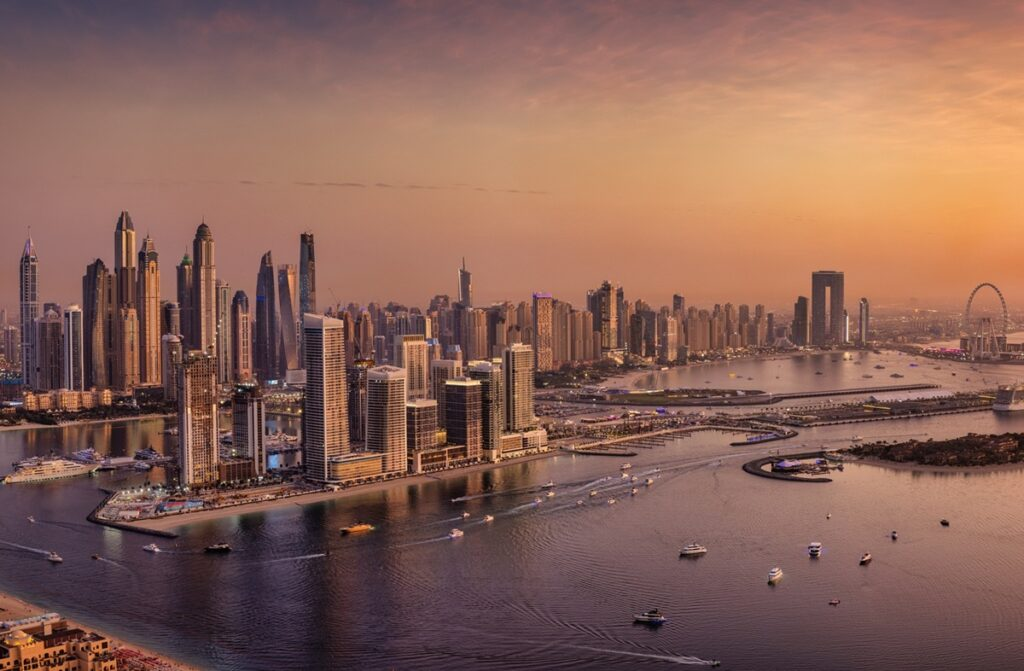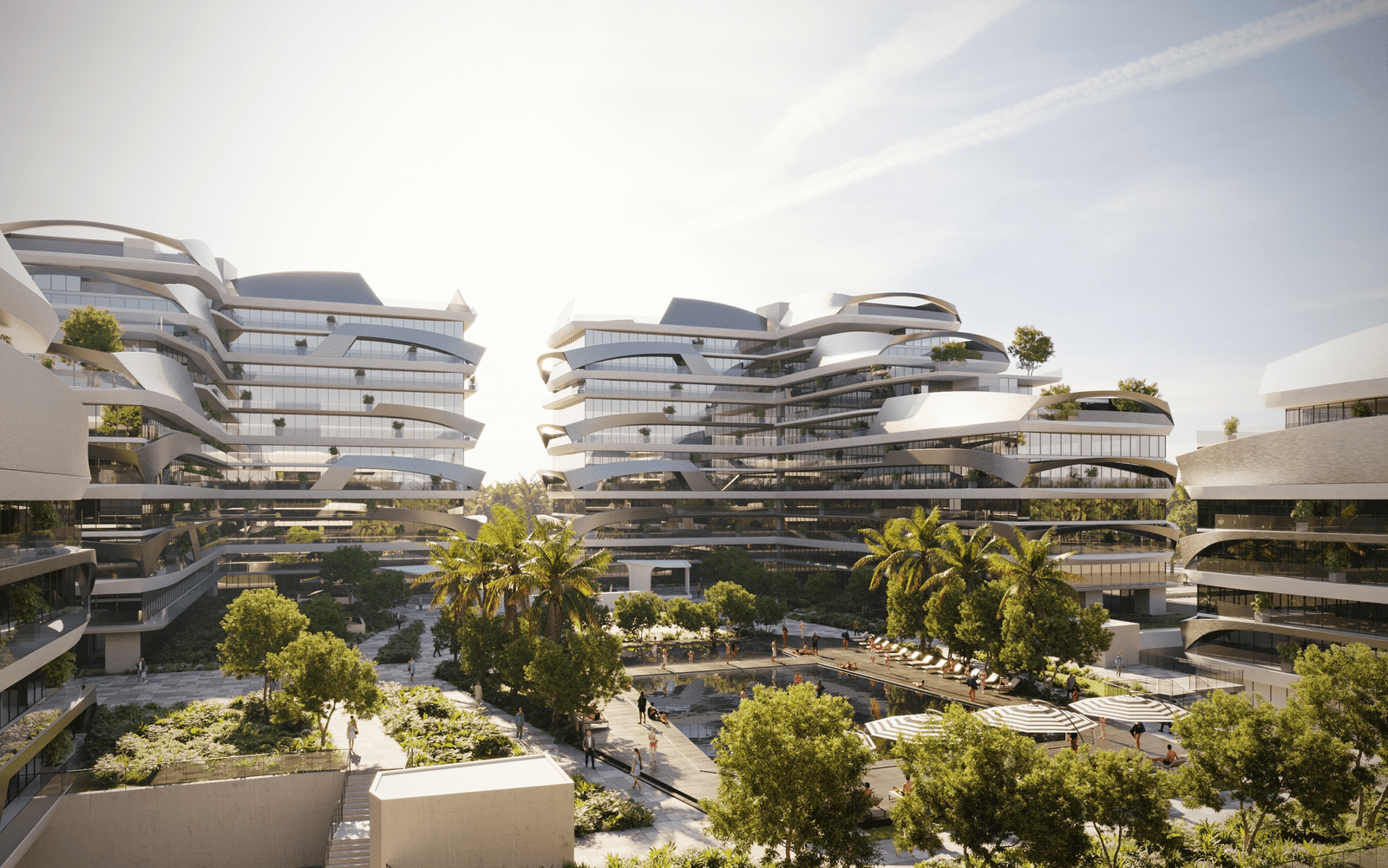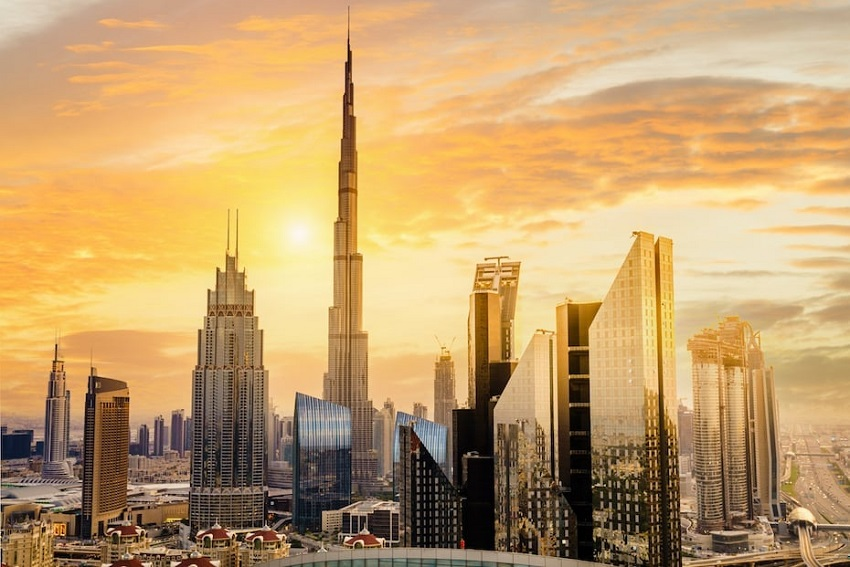
The UAE real estate market is on the brink of a significant transformation, with projections indicating it could soar to AED486 billion by 2030. This ambitious forecast reflects the dynamic nature of the market and the myriad opportunities it presents for investors and developers alike. The vibrant economy, strategic location, and progressive government initiatives are set to drive this growth, making the UAE a beacon for real estate investment.
Several factors contribute to the robust growth forecast for the UAE real estate market.
The UAE has successfully diversified its economy beyond oil dependency, fostering a stable environment for real estate investments. The government’s focus on sectors like tourism, technology, and renewable energy has created a multifaceted economy that attracts both local and foreign investors.
The UAE’s population is projected to grow, leading to increased demand for residential properties. Urbanization is rapidly transforming cities like Dubai and Abu Dhabi, making them appealing locations for both living and investing.
Significant investments in infrastructure projects are enhancing connectivity and accessibility across the region. Mega-projects like Expo 2020 and the development of new transport systems are not only improving the quality of life but are also making property investments more attractive.
The UAE government continuously introduces policies to support real estate growth. Initiatives such as long-term residency visas and ownership laws for expatriates are encouraging foreign investment, further propelling the market.
The projected growth of the UAE real estate market is not uniform; different segments are poised for varying levels of success.
The residential property sector is expected to benefit significantly from the anticipated population increase. High demand for housing, particularly in urban centers, will likely drive prices upward, making it a lucrative segment for investors.
As businesses flock to the UAE, the demand for commercial real estate is rising. Offices, retail spaces, and industrial facilities are witnessing increased interest, especially in strategic locations. Investors looking for stable returns may find commercial properties particularly appealing.
With tourism being a cornerstone of the UAE’s economy, the hospitality sector is experiencing remarkable growth. Hotels, resorts, and leisure facilities are essential components of the real estate market, offering promising opportunities for investment.
Technology is revolutionizing the UAE real estate landscape.
Property technology, or PropTech, is enhancing the way properties are bought, sold, and managed. From virtual tours to blockchain transactions, these innovations are making the real estate process more efficient and transparent, attracting tech-savvy investors.
The UAE is leading the smart city initiative, integrating technology into urban planning. Smart homes with advanced security, energy management systems, and connectivity are becoming increasingly popular, appealing to modern buyers.
Despite the optimism surrounding the UAE real estate market, challenges remain.
In some areas, there is a risk of oversupply, particularly in the residential sector. Developers must carefully consider market conditions and demand to avoid creating an imbalance that could lead to price drops.
While the UAE’s economy is diversifying, it is still susceptible to global economic changes. Investors must remain vigilant about international market trends that could impact local conditions.
The regulatory environment can also pose challenges. Keeping abreast of changes in laws and regulations is essential for investors to navigate the market successfully.
The UAE real estate market’s trajectory towards AED486 billion by 2030 is supported by strong fundamentals.
As the market matures, we can expect more foreign investors to enter the scene, drawn by the favorable policies and the potential for high returns.
There is a growing emphasis on sustainability within the real estate sector. Eco-friendly developments and green certifications will likely become more prevalent, attracting conscious investors.
Ongoing improvements in infrastructure will continue to boost property values, making the UAE even more attractive for real estate investments.
The UAE real estate market is poised for remarkable growth, projected to reach AED486 billion by 2030. With strong economic fundamentals, supportive government initiatives, and a growing population, there has never been a better time to explore opportunities in this dynamic market. As an investor, understanding the various segments and staying informed about trends and challenges will be key to capitalizing on this growth.
Do Follow Estate Magazine on Instagram
Read Next – Sharjah Sees 88.7% Growth in Industrial Real Estate Transactions in 2025