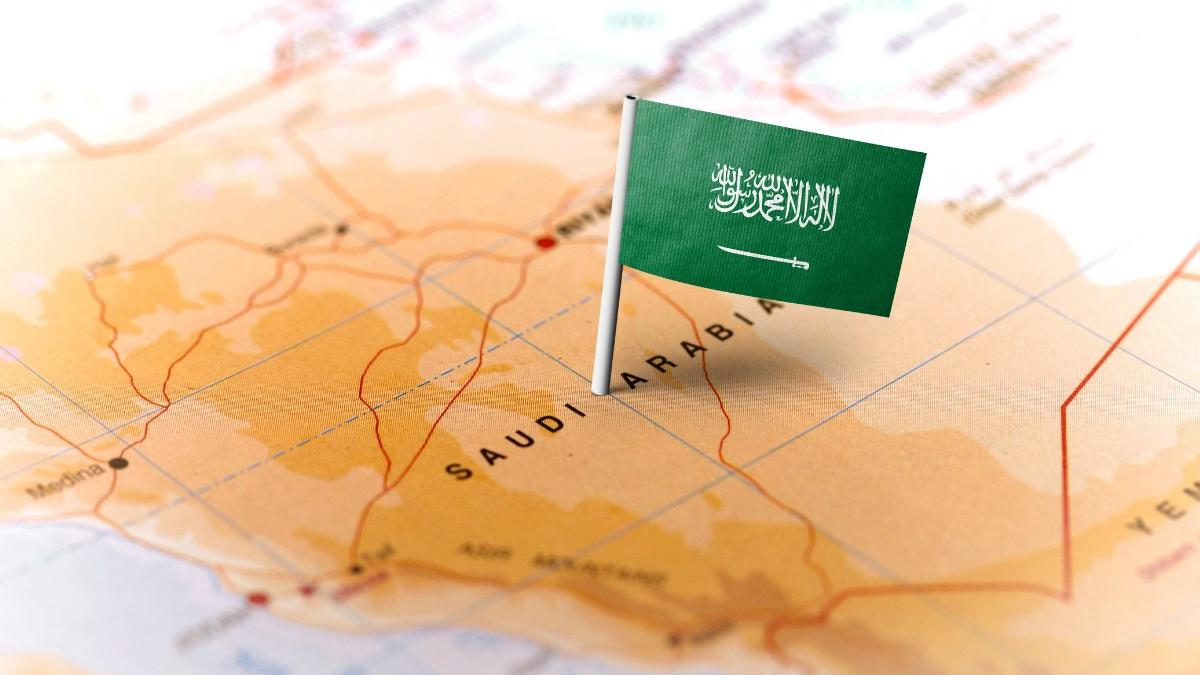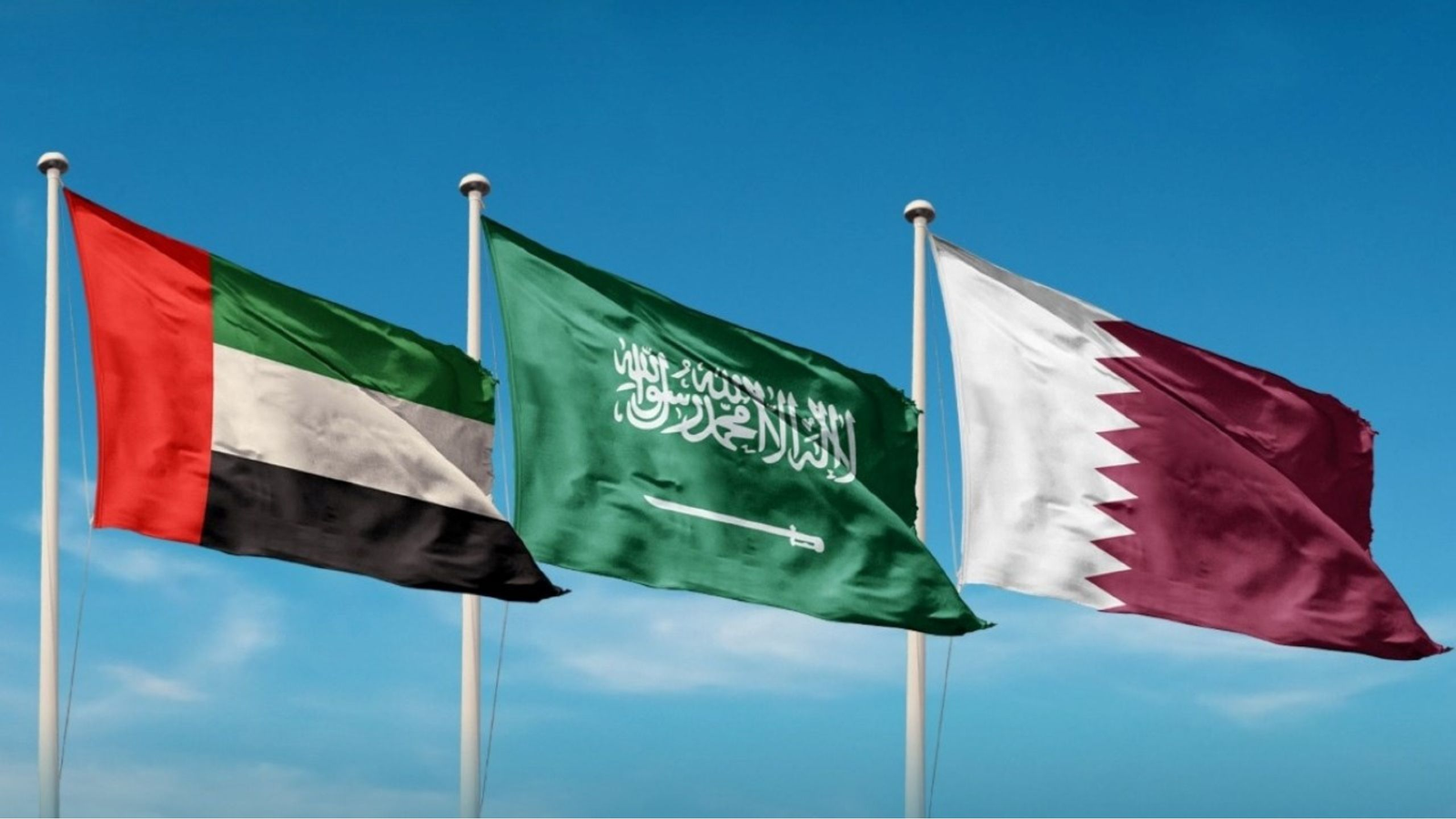
The Gulf property markets are a captivating tapestry woven from unique cultures, ambitions, and economic landscapes. As we delve into the dynamics of the UAE, Saudi Arabia, and Qatar, we uncover the distinct characteristics that define each market. With rapid development, strategic initiatives, and evolving regulations, understanding these differences is crucial for investors, homeowners, and real estate enthusiasts alike.
The Gulf Cooperation Council (GCC) region has emerged as a global hub for investment, particularly in the real estate sector. With its strategic location, diverse economies, and ambitious visions like Saudi Arabia’s Vision 2030 and the UAE’s Vision 2021, the region is witnessing unprecedented growth. As the demand for residential, commercial, and mixed-use properties soars, the dynamics of UAE, Saudi Arabia, and Qatar property markets deserve a closer look.
The UAE, particularly Dubai and Abu Dhabi, stands out as a beacon of luxury living and innovative developments. The property market here is characterized by high rents, lavish lifestyles, and an influx of expatriates. Several key factors contribute to the allure of the UAE property market:
One of the most significant drivers is the government’s proactive approach to real estate regulations. Policies like long-term residency visas and 100% foreign ownership in certain sectors have attracted international investors. The Expo 2020 showcased Dubai’s capabilities, further increasing interest in the property market.
The UAE’s diverse range of properties caters to various demographics. From opulent villas and high-rise apartments to affordable housing, the market offers something for everyone. The continuous development of iconic structures, like the Burj Khalifa and various luxury resorts, keeps the UAE at the forefront of global real estate.
Saudi Arabia’s property market is undergoing a transformation fueled by Vision 2030, which aims to diversify the economy and reduce reliance on oil. The government is investing heavily in infrastructure and urban development, positioning the country as an attractive destination for both local and foreign investors.
One of the most notable initiatives is the NEOM project, a $500 billion mega-city planned to incorporate smart technologies and sustainable living. This ambitious vision could redefine urban living in the region and draw significant attention to the Saudi property market.
The residential sector is also evolving, with a growing demand for affordable housing solutions, especially for the younger population. The government is implementing policies to support homeownership, such as providing financial assistance and facilitating mortgage access.
Qatar’s property market offers a unique blend of stability and opportunity, making it an attractive option for investors looking for a secure environment. Despite facing regional challenges, including a blockade that began in 2017, Qatar has shown resilience and adaptability in its real estate sector.
The country’s investments in infrastructure, particularly in preparation for the 2022 FIFA World Cup, have spurred growth in various property segments. New developments in hospitality, entertainment, and residential projects have emerged, showcasing Qatar’s commitment to becoming a global tourism and business hub.
Moreover, the government has introduced several initiatives to encourage foreign investment in real estate. Initiatives like the Qatar Freehold Law allow expatriates to own property in designated areas, enhancing the market’s attractiveness.
When comparing the Gulf property markets of the UAE, Saudi Arabia, and Qatar, several dynamics emerge. The UAE, with its established luxury market, attracts a diverse expatriate population and high-net-worth individuals. Conversely, Saudi Arabia’s market is in a growth phase, with a focus on long-term development and sustainability.
In Qatar, the focus is on stability and security, making it a safe investment destination. Each market has its unique characteristics and challenges, but they all share a common thread: a commitment to growth and innovation.
The future of the Gulf property markets is promising, with ongoing developments and strategic initiatives. The UAE will likely continue to attract international investors seeking luxury and lifestyle, while Saudi Arabia’s reforms will drive long-term growth and economic diversification.
Qatar, with its focus on stability and infrastructure development, will remain an attractive option for those seeking a secure investment environment. As these markets evolve, they will undoubtedly adapt to changing global trends and demands.
The dynamics of the Gulf property markets—UAE, Saudi Arabia, and Qatar—offer a wealth of opportunities for investors and residents alike. Understanding the unique characteristics and growth trajectories of each market is essential for making informed decisions in this vibrant region.
Whether you are drawn to the luxury of the UAE, the emerging potential of Saudi Arabia, or the stability of Qatar, the Gulf property markets are poised for continued development and innovation. Embrace the possibilities and explore the diverse offerings within this captivating landscape.
Do Follow Estate Magazine on Instagram
Read Next – Navigating Real Estate Compliance Amid GCC Market Shifts