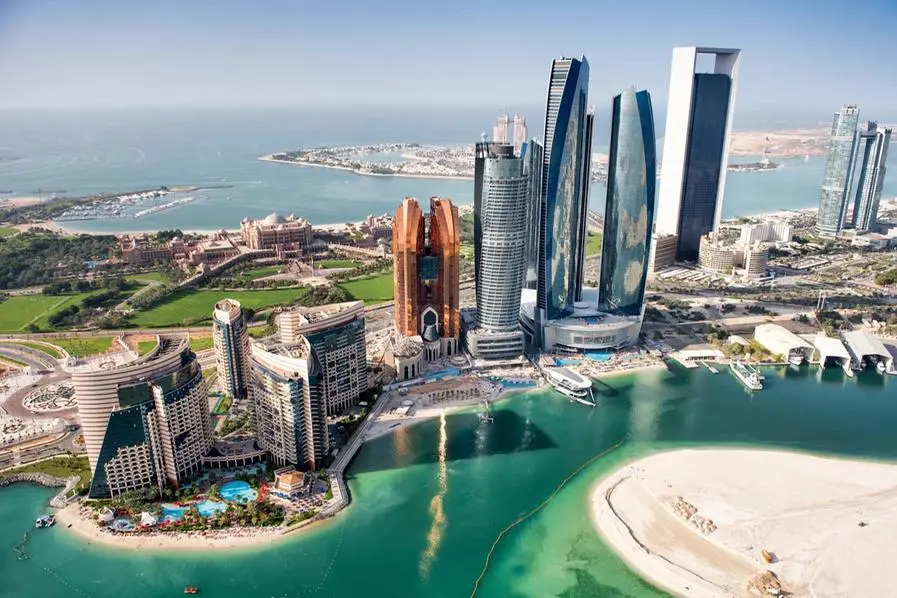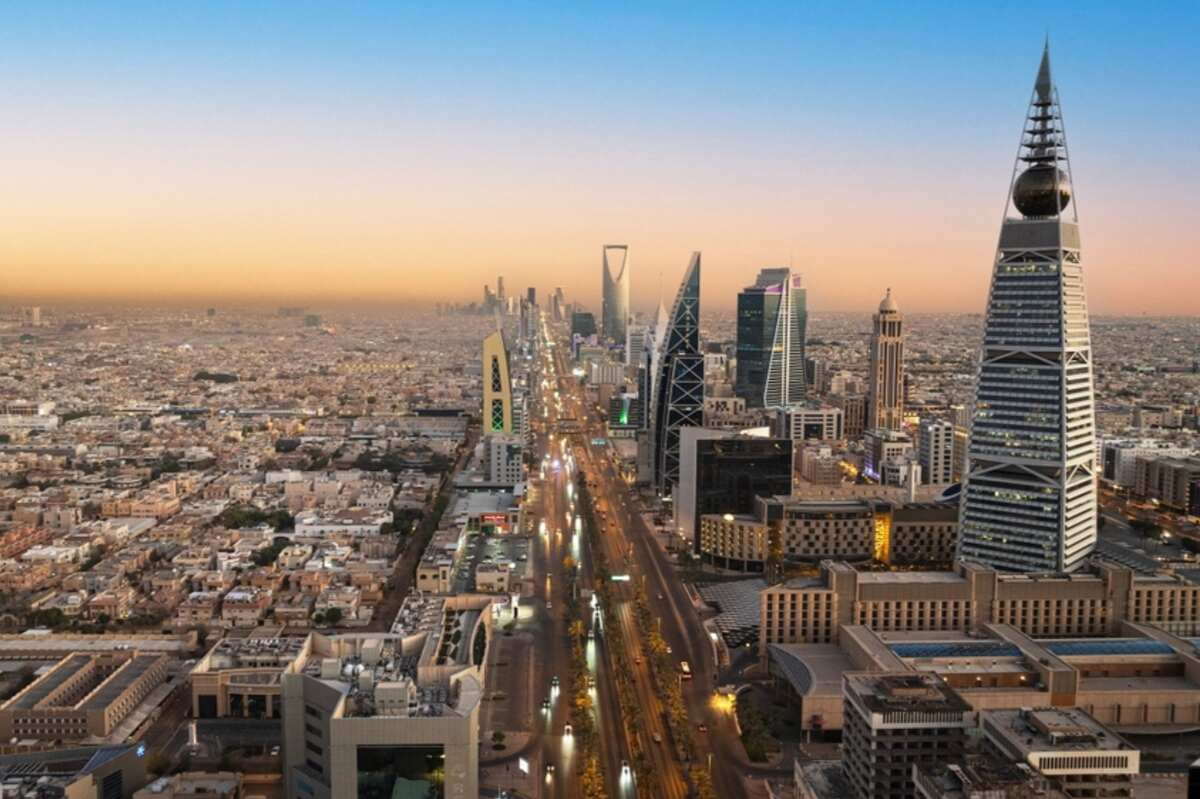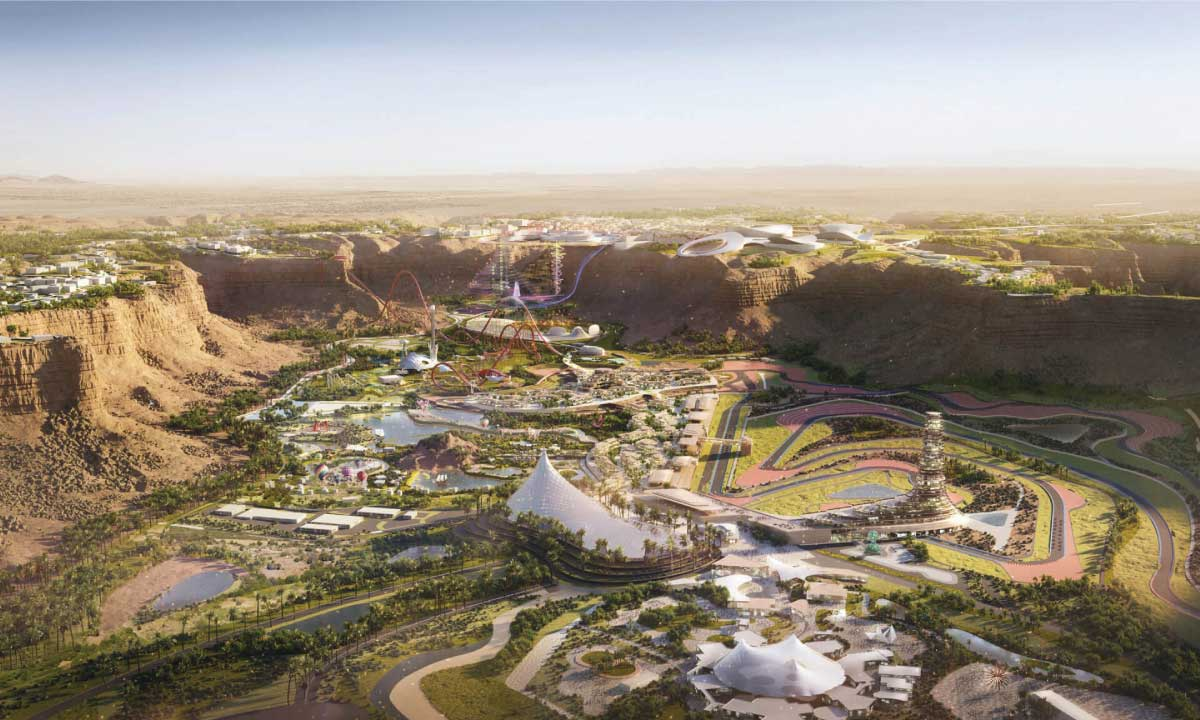
The United Arab Emirates is undergoing a radical transformation, with mega developments reshaping its urban landscape. These ambitious undertakings, often referred to as giga-projects, have far-reaching implications for the housing sector. But what exactly are these influences, and how are they redefining the UAE’s housing market?
In this article, we will explore the various ways in which giga-projects are impacting housing in the UAE, from increased demand and shifting demographics to innovative architectural trends and sustainability initiatives.
Giga-projects are large-scale developments that typically require substantial investment and resources. In the context of the UAE, they often encompass a mix of residential, commercial, and recreational spaces. These projects are not just about creating buildings; they aim to establish entire communities, complete with infrastructure, amenities, and services.
The UAE has seen several notable giga-projects recently, such as NEOM, the Dubai Creek Tower, and the Red Sea Project. Each of these initiatives is designed to attract both local and international residents, thereby influencing the housing market in significant ways.
As giga-projects flourish, there is a corresponding increase in housing demand. These developments create job opportunities, attracting a diverse workforce from around the globe. This influx of people necessitates a rise in housing availability, leading to the construction of new residential units in close proximity to these mega-projects.
Moreover, the improved infrastructure associated with these projects, such as better roads, public transport, and utilities, makes previously less desirable areas more attractive for potential homeowners. This shift can lead to a spike in property prices in regions surrounding giga-projects, making it essential for investors to keep an eye on these trends.
Giga-projects are not just expanding the housing market; they are also revolutionizing the way we think about living spaces. With a focus on sustainability and smart technology, architects and developers are creating homes that are not only aesthetically pleasing but also environmentally friendly.
Innovative designs often include energy-efficient materials, green spaces, and smart home technologies. These features resonate with younger, tech-savvy buyers who prioritize sustainability and modern conveniences. As these architectural trends gain popularity, traditional housing styles may increasingly give way to more progressive designs.
One of the most exciting aspects of giga-projects is their potential to foster cultural diversity. These developments often cater to a wide array of populations, creating melting pots of different cultures and lifestyles. As new residents settle near these projects, the housing market must adapt to meet varied preferences and expectations.
This cultural integration can influence everything from architectural styles to community amenities. Developers are increasingly taking into account the needs of diverse populations, offering a range of housing options that reflect various cultural backgrounds. This trend not only enhances the living experience but also strengthens community bonds.
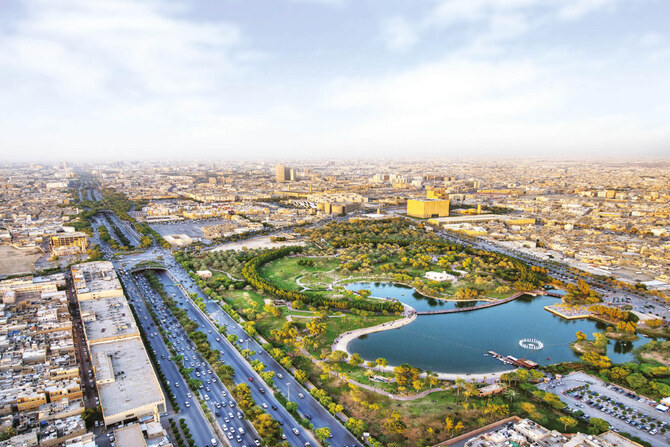
Sustainability is a cornerstone of many giga-projects in the UAE. As the nation looks to diversify its economy and reduce its carbon footprint, there is a growing emphasis on eco-friendly building practices. These initiatives include the use of renewable energy sources, waste reduction strategies, and water conservation methods.
The influence of these sustainability initiatives extends to the housing sector as well. Homebuyers are becoming more conscious of their environmental impact, prompting developers to incorporate green features in their projects. This shift towards sustainable living not only enhances the appeal of new homes but also aligns with the UAE’s long-term vision for environmental stewardship.
While giga-projects stimulate economic growth and job creation, they can also lead to challenges in housing affordability. As demand for housing increases, so can property prices, making it more difficult for some residents to afford homes.
This dynamic creates a delicate balancing act for policymakers and developers. There is a pressing need to ensure that new housing options remain accessible to a broad demographic, particularly for lower and middle-income families. Solutions may include the development of affordable housing units and incentives for developers to prioritize inclusivity in their projects.
As we look ahead, the influence of giga-projects on UAE housing is expected to continue evolving. With new initiatives on the horizon, the landscape of urban living will undoubtedly change. The focus on sustainability, cultural integration, and innovative design will shape the future of housing in the UAE, creating communities that are not only functional but also vibrant and inclusive.
In conclusion, the impacts of giga-projects on the UAE housing market are profound and multifaceted. From increasing demand and redefining living spaces to fostering cultural diversity and promoting sustainability, these projects are setting the stage for a new era in urban living. As the UAE continues to develop and expand, understanding these influences will be crucial for anyone interested in the future of real estate in this dynamic region.
Do Follow Estate Magazine on Instagram
Read Next – Dubai South Emerges as a Fast-Growing Residential Hub