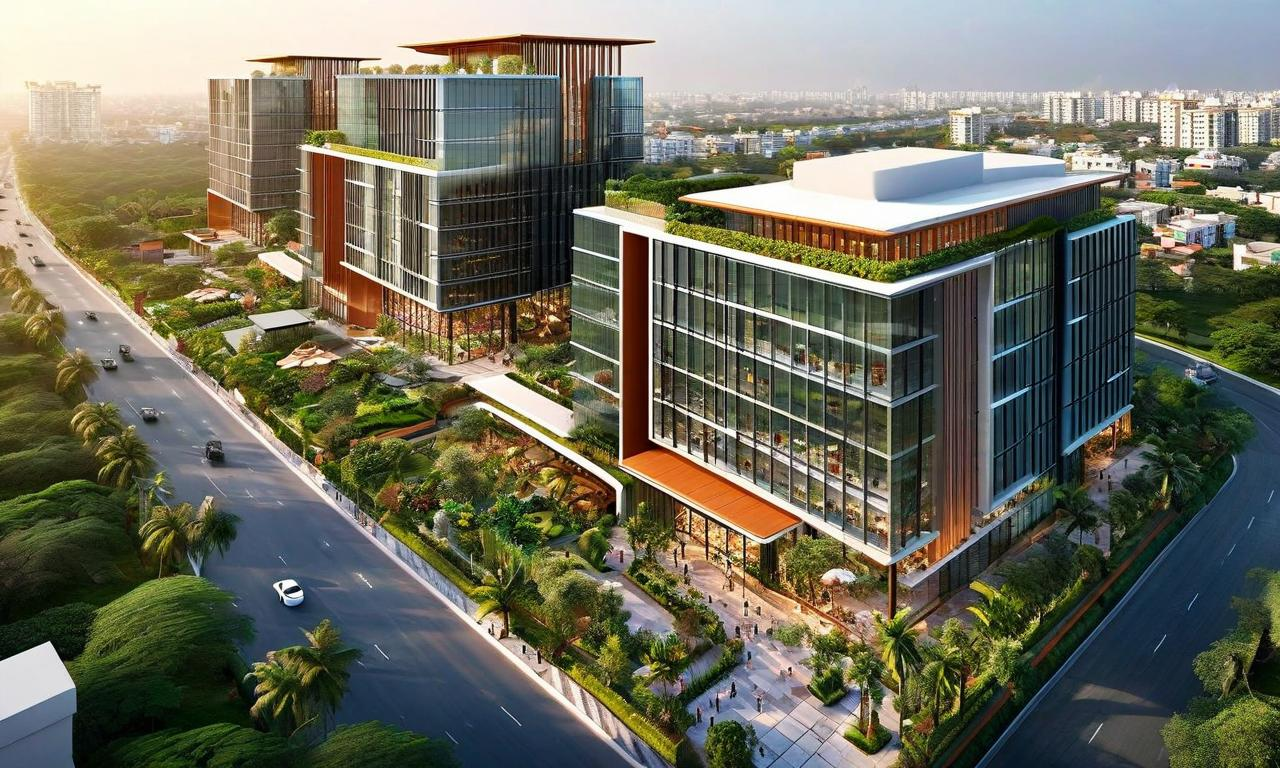
In an era where urban living is evolving, integrated community investments are becoming a cornerstone of modern development. These projects blend mixed residential, retail, and leisure spaces, creating vibrant hubs that cater to diverse lifestyles. By fostering a sense of community while providing convenience, these developments are reshaping the way people live, work, and play.
Integrated community investments refer to the strategic development of spaces that combine residential units, retail outlets, and leisure facilities into a cohesive environment. This approach encourages synergy among different lifestyle elements, promoting an enriched quality of life.
Imagine stepping out of your apartment to find a café, a grocery store, and a park all within walking distance. This is the essence of integrated community investments creating a seamless blend of living, shopping, and recreation that enhances community engagement.
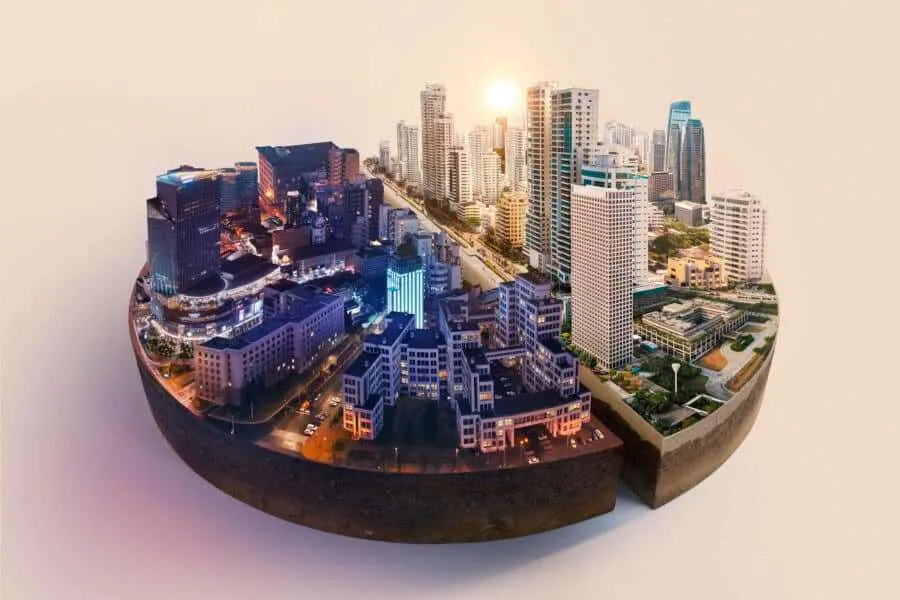
Integrated community investments provide numerous advantages for residents, businesses, and urban planners alike. These benefits create compelling reasons for stakeholders to embrace this holistic approach.
One of the most significant benefits is the enhancement of community interaction. By incorporating mixed-use spaces, residents are more likely to engage with their neighbors and local businesses. This fosters a sense of belonging and strengthens community ties.
Additionally, these developments often boast improved accessibility. With residential units situated alongside retail and leisure options, residents can rely less on cars, leading to a decrease in traffic congestion and a lower carbon footprint.
From an economic standpoint, integrated community investments can help revitalize underdeveloped areas. By attracting new businesses and residents, these projects can increase property values and stimulate local economies, creating a win-win scenario for everyone involved.
The architectural design of integrated community investments plays a crucial role in their success. It’s not just about placing buildings next to each other; it’s about creating a harmonious environment where each component complements the others.
Designers prioritize open spaces, pedestrian pathways, and communal areas to encourage interaction. This thoughtful layout not only makes the community aesthetically pleasing but also functional. For instance, placing a park near residential buildings creates a natural gathering spot, enhancing the community’s livability.
Moreover, the incorporation of sustainable practices in construction and design is becoming increasingly important. Developers are focusing on eco-friendly materials and energy-efficient systems, which align with the growing demand for sustainable living solutions.
Mixed-use spaces are at the heart of integrated community investments. These areas allow for a variety of functions—residential, commercial, and recreational—all in one location. This diversity not only enriches the daily lives of residents but also contributes to the local economy.
Retail spaces within these developments often include local shops and restaurants, which not only support local entrepreneurs but also provide unique shopping experiences. This fosters a sense of identity and character within the community, distinguishing it from more traditional, single-use developments.
Leisure components, such as parks, gyms, and cultural centers, further enhance the quality of life. These spaces offer residents opportunities for recreation and relaxation, making integrated communities not just places to live, but vibrant environments to thrive.
Sustainability is a critical consideration in the realm of integrated community investments. Developers are increasingly aware of the impact their projects have on the environment and are taking steps to minimize their ecological footprint.
By promoting walkability and reducing reliance on vehicles, integrated developments play a vital role in creating sustainable urban areas. The inclusion of green spaces contributes to biodiversity and offers residents a natural escape from the hustle and bustle of city life.
Furthermore, many integrated communities are adopting renewable energy sources, such as solar panels and wind turbines, to power common areas. This not only decreases operational costs but also sets a precedent for future developments, encouraging a shift towards sustainable living practices.
The economic implications of integrated community investments are profound. By combining residential, retail, and leisure spaces, these projects create a self-sustaining ecosystem that benefits all stakeholders.
With more residents living in proximity to shops and services, local businesses experience increased foot traffic. This, in turn, leads to job creation and greater economic activity within the community.
Additionally, as property values rise due to the desirability of integrated living environments, municipalities benefit from increased tax revenues. These funds can then be reinvested into community services, infrastructure, and public spaces, creating a cycle of growth and improvement.
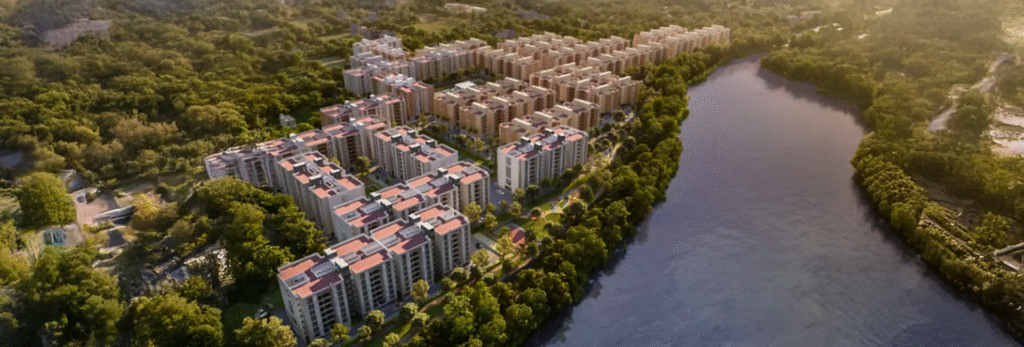
While the benefits of integrated community investments are compelling, they are not without challenges. Developers must navigate zoning laws, community resistance, and financial feasibility to bring these projects to life.
Community engagement is crucial throughout the development process. Ensuring that residents’ voices are heard and their needs are met can mitigate opposition and foster a sense of ownership among locals.
Furthermore, striking the right balance between residential, retail, and leisure spaces is essential. Overbuilding one component can lead to an imbalance that diminishes the overall appeal of the community.
As urbanization continues to rise, the demand for integrated community investments will likely grow. These developments offer innovative solutions to some of the most pressing challenges cities face today, including housing shortages, environmental sustainability, and the need for community connection.
Looking ahead, we can expect to see more developers embracing this holistic approach, incorporating advanced technology and sustainable practices to create even more livable spaces. The future of urban living lies in these integrated communities that foster not just housing, but a sense of belonging and shared experience.
Integrated community investments represent a transformative approach to urban development, where mixed residential, retail, and leisure spaces converge to create vibrant living environments. By emphasizing community connection, sustainability, and economic vitality, these developments are reshaping the future of cities.
As we move forward, it’s essential for developers, planners, and residents to collaborate in creating integrated communities that reflect the needs and aspirations of their inhabitants. The journey towards a more interconnected, sustainable urban landscape starts with embracing the potential of integrated community investments.
Do Follow Estate Magazine on Instagram
Read More:- Best Financing Strategies for Property Buyers Revealed 2026