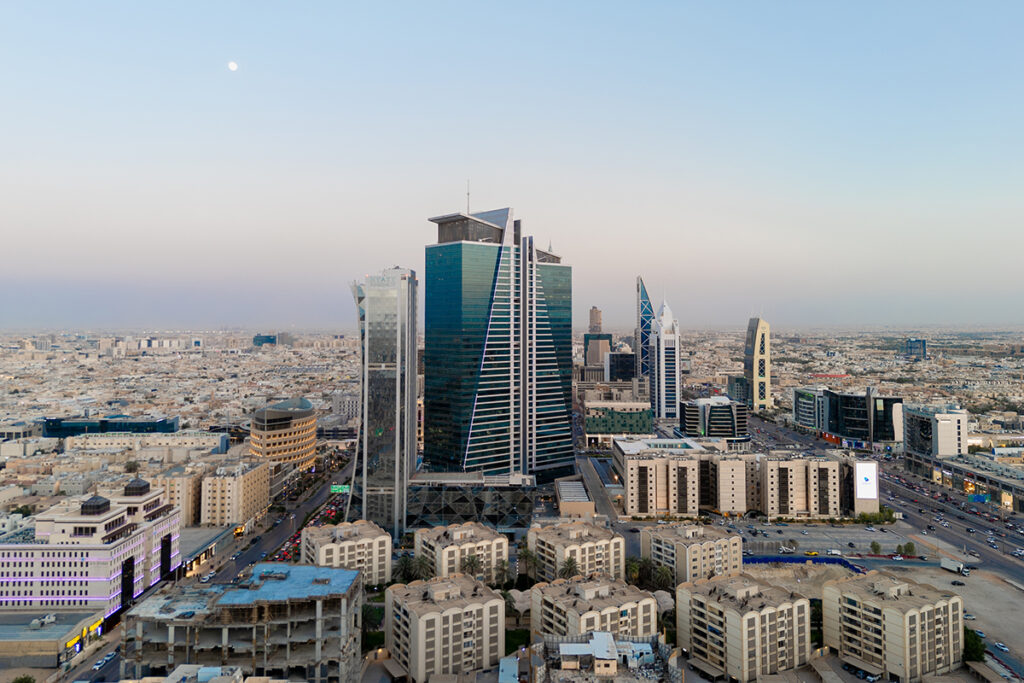
The vibrant city of Riyadh is experiencing a significant transformation in its housing sector. The recent mandate requiring full infrastructure delivery for new housing developments is a game-changer. This bold move aims to enhance the quality of life for residents and ensure sustainable urban growth. In this article, we will explore the implications of this mandate, the benefits it brings to the community, and what it means for future housing projects.
Riyadh’s decision to make full infrastructure delivery mandatory for new housing developments stems from a desire to create a more livable and organized urban environment. Infrastructure delivery encompasses essential services such as roads, utilities, and public amenities that support residential areas. By enforcing this mandate, the city aims to ensure that new housing projects are not only about building homes but also about fostering a thriving community.
The comprehensive infrastructure requirement includes the installation of roads, electricity, water supply, sewage systems, and communication networks. This holistic approach addresses the core needs of residents right from the start, eliminating the piecemeal development that has often plagued urban planning.
Implementing full infrastructure delivery for new housing in Riyadh offers numerous benefits that resonate with both the government and future residents.
With complete infrastructure in place, residents can enjoy improved access to essential services. This enhancement leads to a better quality of life, as families can rely on steady electricity, clean water, and efficient waste management systems. Furthermore, well-planned road networks reduce congestion and promote safety for all road users.
A well-structured housing environment with complete infrastructure attracts businesses and investments. When developers know that new projects will meet infrastructure standards, they are more likely to invest in Riyadh’s real estate market. This influx of investment can stimulate job creation and boost the local economy, providing more opportunities for residents.
Riyadh’s infrastructure mandate promotes sustainable urban development by encouraging environmentally friendly practices. As new housing projects integrate green spaces, energy-efficient utilities, and smart technology, the city moves closer to its sustainability goals. Such measures help lower carbon footprints and create a healthier urban ecosystem.
While the infrastructure mandate presents many advantages, there are also challenges that need to be addressed. One of the primary concerns is the potential for increased costs associated with meeting these requirements. Developers may worry that higher expenses could lead to elevated housing prices, making it less affordable for the average citizen.
Additionally, the timeline for completing infrastructure projects could impact housing availability. Striking a balance between swift development and thorough planning is crucial to ensuring that residents can access new homes without undue delay.
The move to enforce full infrastructure delivery is a pivotal step in shaping the future of housing in Riyadh. As the city continues to grow, the government’s commitment to comprehensive infrastructure will likely pave the way for a more organized, efficient, and vibrant urban landscape.
The integration of smart city technology into infrastructure planning will also play a crucial role in this evolution. Innovations such as smart grids, intelligent transportation systems, and data-driven urban management can enhance the connectivity and functionality of neighborhoods, making life easier and more enjoyable for residents.
Riyadh’s mandate for full infrastructure delivery in new housing is more than just a policy change; it is a vision for the future. By ensuring that all essential services are in place from the outset, the city is laying the groundwork for sustainable living and economic prosperity. This initiative signals a commitment to better urban planning and an improved quality of life, reflecting the aspirations of its residents.
As Riyadh continues to evolve, the successful implementation of this mandate will serve as a model for other cities in the region. The future of housing in Riyadh looks promising, with the potential for thriving communities that prioritize the well-being of their inhabitants.
Do Follow Estate Magazine on Instagram
Read Next – Saudi Arabia opens real estate ownership to non-Saudis under new law