
Ramadan is a holy month filled with spiritual reflection, community bonding, and a deeper connection to faith for Muslims around the world. In the United Arab Emirates (UAE), Ramadan fasting hours are a significant aspect of this cherished month. Understanding these hours helps individuals prepare for their daily routines, meals, and prayers.
As the sun rises and sets, the rhythm of life changes during, marking a time of unity and devotion. Let’s dive deeper into the specifics of Ramadan fasting hours in the UAE, their significance, and how they shape the daily lives of those observing this sacred month.
The fasting hours during Ramadan in the UAE typically begin at dawn (Fajr) and end at sunset (Maghrib). The exact timings can vary slightly from one emirate to another due to geographical differences.
In general, fasting starts with the Fajr prayer, which can be around 4:30 AM to 5:00 AM, and concludes with the Maghrib prayer, usually around 6:30 PM to 7:00 PM. However, these times shift slightly each day as Ramadan progresses, and it is essential for individuals to check local prayer timings regularly to stay informed.

Fasting during Ramadan is not merely about abstaining from food and drink; it is a time for spiritual growth, self-discipline, and empathy towards others. The hours between Fajr and Maghrib serve as a reminder of the struggles faced by those less fortunate.
By experiencing hunger and thirst, individuals are encouraged to reflect on their lives and appreciate the blessings they often take for granted. This period also fosters a sense of community, as families and friends gather to break their fast together after a long day of devotion.
Preparation is key to successfully observing Ramadan fasting hours in the UAE. Here are some practical tips to help enhance your experience:
Create a Schedule: Establish a daily routine that includes time for prayers, reading the Quran, and family gatherings. Knowing when to eat and pray can help you manage your time effectively.
Stay Hydrated: Between Iftar (the meal to break the fast) and Suhoor (the pre-dawn meal), focus on drinking plenty of water to stay hydrated. Avoid excessive caffeine and sugary drinks, as they can lead to dehydration during fasting hours.
Plan Balanced Meals: Ensure that your Iftar and Suhoor meals are nutritious, incorporating a mix of carbohydrates, proteins, and healthy fats. This balance will help sustain your energy levels throughout the day.
Mind Your Health: Prioritize your well-being during fasting. If you have any health concerns, consult with a healthcare professional to discuss your fasting plans.
Iftar is one of the most cherished moments during Ramadan. As the sun sets, families and friends come together to break their fast, often starting with dates and water, following the Sunnah of the Prophet Muhammad (peace be upon him).
In the UAE, this tradition is celebrated in various ways. Many restaurants offer special Iftar buffets, featuring traditional Middle Eastern dishes alongside international cuisine. Local communities also organize Iftar tents, providing meals to those in need, fostering a spirit of generosity and unity.
Prayer plays a central role in Ramadan, with Muslims encouraged to increase their devotion during this month. The five daily prayers take on added significance, and many also participate in Taraweeh prayers, which are held after the Isha prayer.
During fasting hours, it is essential to remain mindful of your spiritual practices. Set aside time for personal reflection, Quran recitation, and additional prayers to enhance your spiritual connection during this sacred month.
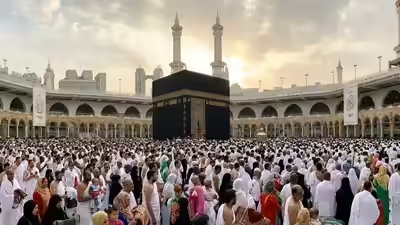
The UAE is known for its diverse population, and Ramadan serves as a beautiful reminder of the unity that can be found in diversity. Communities come together to share in the spirit of Ramadan, regardless of cultural backgrounds.
Many expatriates participate in local festivities, joining in Iftar gatherings and engaging in charity initiatives. This sense of community enriches the Ramadan experience, creating bonds that transcend cultural differences.
Ramadan fasting hours in the UAE bring a unique blend of spirituality, community, and personal growth. By understanding and embracing these hours, individuals can deepen their connection to their faith and appreciate the shared experiences that come with this sacred month.
Let the rhythm of fasting hours guide your daily life, fostering a sense of gratitude and empathy that extends beyond Ramadan. As you embark on this spiritual journey, may it bring you peace, joy, and fulfillment.
Do Follow Estate Magazine on Instagram
Read More:- UAE Real Estate Investors & Entrepreneurs: 7 Powerful Secrets to Massive Success