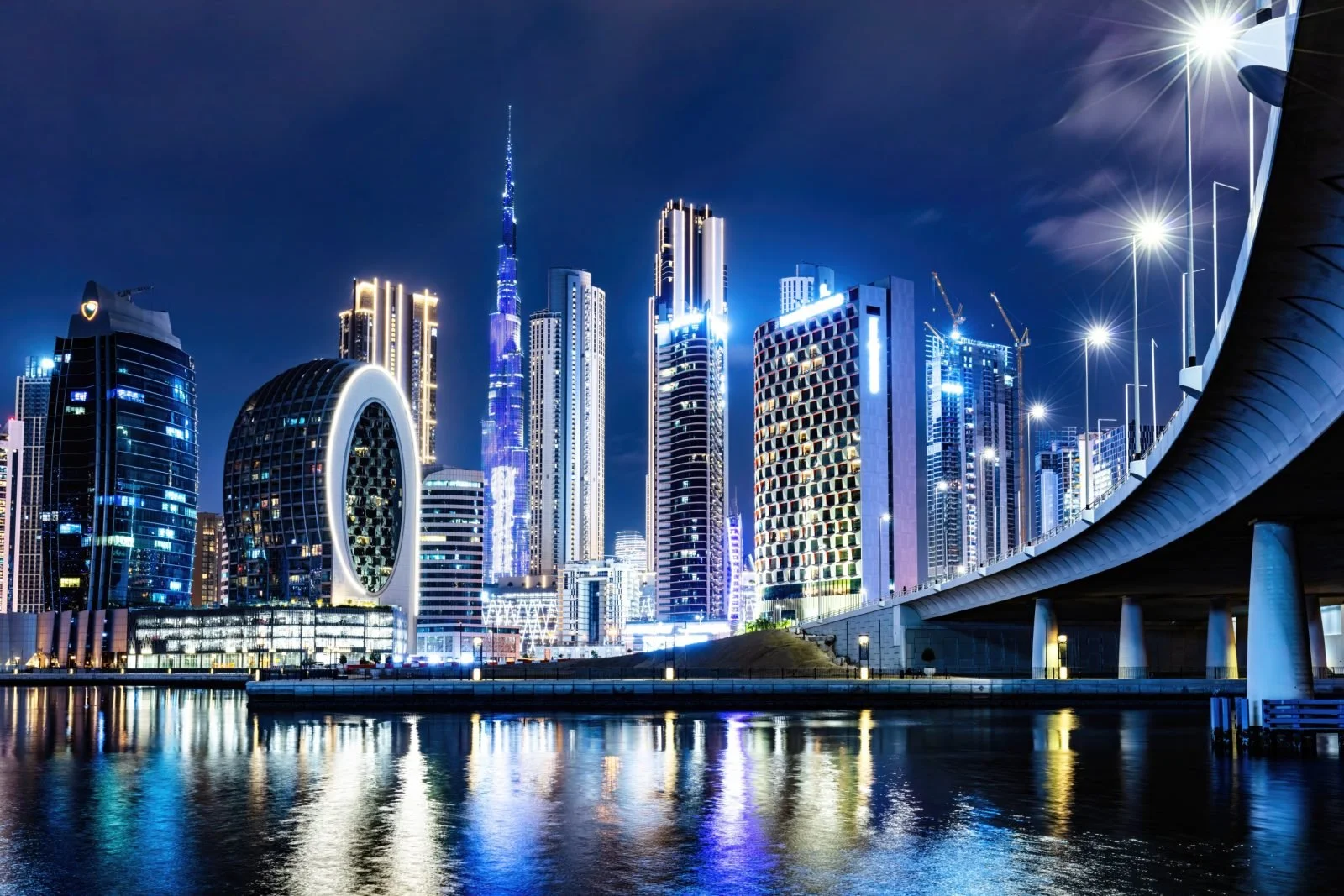
The UAE economy and national development are narratives of remarkable evolution and ambition. Over the last few decades, the United Arab Emirates has transformed from a collection of small fishing villages into a global powerhouse. This journey is marked by strategic planning, diversification, and an unwavering commitment to progress.
In this article, we will explore the key elements that define the UAE economy and its national development strategy, shedding light on the initiatives that have propelled this nation to the forefront of the global stage.
The foundation of the UAE’s economy lies in its rich oil reserves, which have been pivotal in fueling growth since the discovery of oil in the 1950s. However, the UAE has strategically worked to diversify its economy beyond oil dependency. Today, sectors such as tourism, aviation, real estate, and finance play a significant role in driving growth.
The UAE’s GDP has consistently shown resilience, navigating global economic challenges while maintaining a robust growth trajectory. The nation has become a hub for international business, attracting investments from around the world.
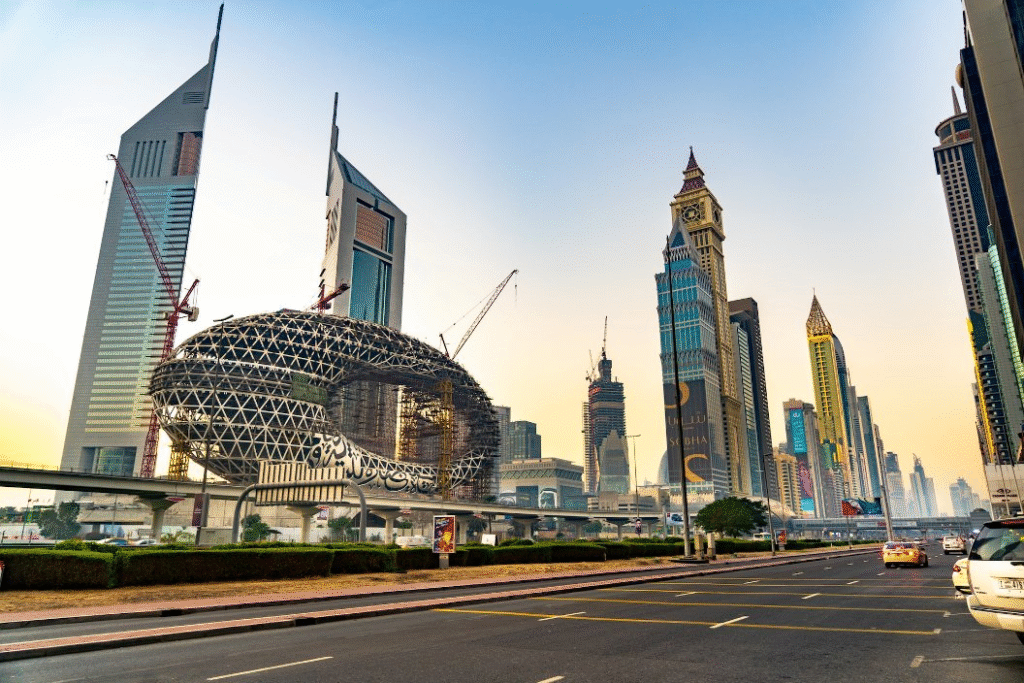
In 2010, the UAE government launched Vision 2021, an ambitious plan aimed at achieving sustainable development across various sectors. This vision emphasizes economic diversification, education, healthcare, and environmental sustainability. The overarching goal is to create a competitive economy that fosters innovation and creativity.
By nurturing small and medium-sized enterprises (SMEs), the UAE aims to stimulate economic activity and job creation. Initiatives such as the Mohammed bin Rashid Innovation Fund have been established to support entrepreneurs and innovators, ensuring that the UAE remains at the cutting edge of global trends.
One of the most significant contributors to the UAE economy is tourism. The nation has positioned itself as a premier tourist destination, attracting millions of visitors each year. Iconic landmarks like the Burj Khalifa and the Louvre Abu Dhabi are complemented by world-class shopping, dining, and entertainment options.
Tourism not only generates revenue but also creates jobs and supports local businesses. The government’s commitment to enhancing tourism infrastructure, such as airports and hotels, further solidifies the UAE’s reputation as a global travel hub.
The real estate sector is another cornerstone of the UAE economy. With ambitious projects like the Dubai Marina and the Abu Dhabi Corniche, the landscape of the UAE is ever-evolving. The government has implemented regulations that promote foreign investment in real estate, making it an attractive option for investors worldwide.
Sustainable development is also a focus, with initiatives aimed at creating eco-friendly buildings and communities. As the UAE continues to grow, the real estate sector will play a crucial role in shaping its urban future.
A key element of the UAE’s national development strategy is its emphasis on education. The government recognizes that a skilled workforce is vital for economic growth. Investments in education aim to equip citizens with the skills needed for the jobs of the future.
Initiatives such as the UAE National Qualifications Framework ensure that educational programs align with industry needs. By fostering a culture of lifelong learning, the UAE is preparing its citizens to thrive in a rapidly changing global economy.
Innovation is at the heart of the UAE’s economic strategy. The government has embraced technology as a catalyst for development, with initiatives like the UAE Artificial Intelligence Strategy. By investing in technology and fostering a culture of innovation, the UAE aims to enhance productivity and efficiency across all sectors.
Startups and tech companies are thriving in this environment, supported by various free zones and incubators. The focus on technology not only diversifies the economy but also positions the UAE as a leader in the global digital landscape.
Sustainability is woven into the fabric of the UAE’s national development plans. The government is committed to reducing its carbon footprint and investing in renewable energy. Projects like the Mohammed bin Rashid Al Maktoum Solar Park exemplify this commitment, showcasing the UAE’s dedication to sustainable energy solutions.
The UAE also aims to promote environmental awareness and conservation among its citizens. By integrating sustainability into economic planning, the nation is laying the groundwork for a resilient and prosperous future.
The UAE economy and national development story is one of vision, resilience, and innovation. From its humble beginnings to becoming a global economic powerhouse, the UAE has demonstrated that with strategic planning and commitment, remarkable transformation is possible.
As the nation continues to embrace diversification, sustainability, and innovation, the future looks bright. The UAE stands as a model for other nations seeking to balance economic growth with social and environmental responsibility.
Do Follow Estate Magazine on Instagram
Read More:- Digital Transformation in UAE Businesses: 7 Powerful Trends Driving Growth