In an era where economic resilience is paramount, understanding the contribution of diversified sectors to non-oil GDP growth has become increasingly vital. As countries transition from oil dependency, the diversification of their economies plays a crucial role in fostering sustainable development and stability. This article delves into how various sectors contribute to non-oil GDP growth, illustrating their significance in shaping a country’s economic landscape.
The global economy is witnessing a significant shift as nations recognize the vulnerabilities associated with over-reliance on oil revenues. Economic diversification is no longer just a buzzword; it is a necessity for countries aiming to enhance their resilience against market fluctuations.
Diversified sectors such as tourism, technology, agriculture, and manufacturing not only provide alternative revenue streams but also create jobs and stimulate innovation. By investing in these areas, countries can buffer themselves against the volatility of oil prices, ensuring a more stable economic environment.
Understanding the specific sectors that contribute to non-oil GDP growth is essential for policymakers and stakeholders alike. Here are some of the most impactful sectors:
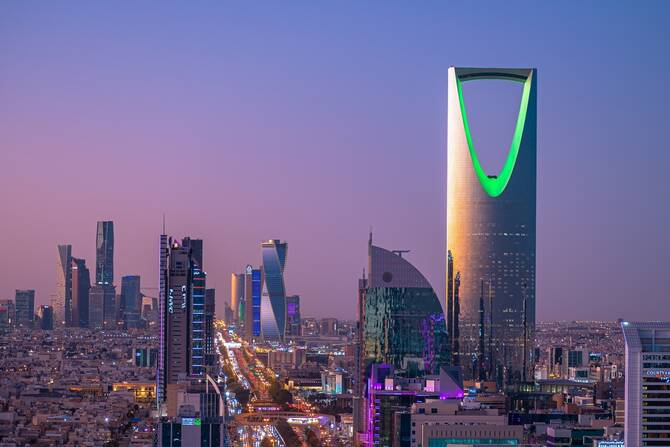
Tourism has emerged as a linchpin for many economies, offering vast potential for job creation and revenue generation. Countries rich in cultural heritage and natural beauty attract millions of visitors annually, contributing significantly to their non-oil GDP.
The tourism sector not only generates income through direct spending on accommodation and dining but also stimulates growth in related industries such as transportation, retail, and entertainment. By investing in infrastructure and marketing, nations can further harness this sector’s potential, transforming it into a robust pillar of economic growth.
The technology sector plays a transformative role in non-oil GDP growth. As economies modernize, technology drives efficiency and productivity across various industries. From e-commerce platforms to fintech solutions, innovation fosters new business models that can thrive independently of oil revenues.
Encouraging startups and investing in research and development can spur technological advancements, creating a vibrant ecosystem where new ideas flourish. This not only contributes to GDP growth but also positions countries as leaders in the global digital economy.
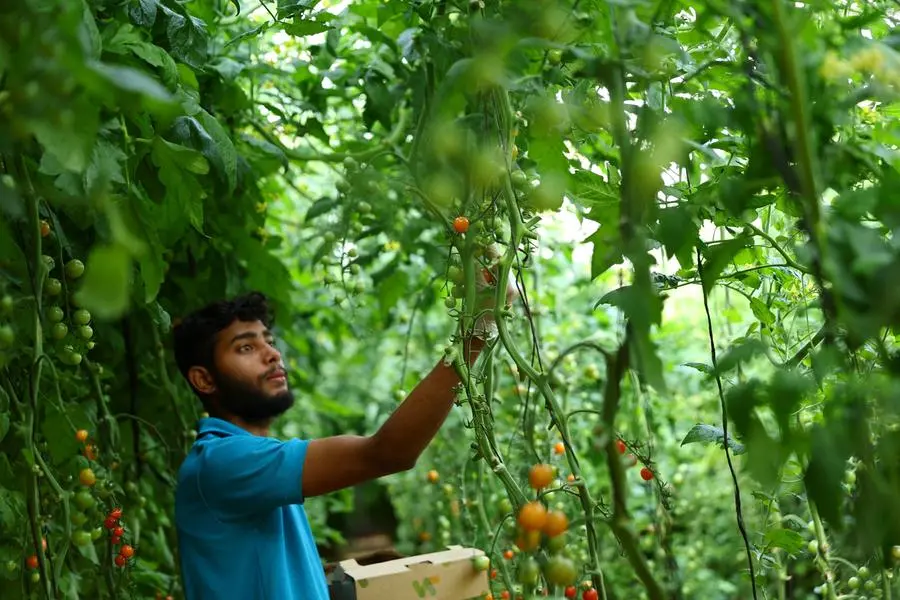
Agriculture remains a fundamental sector contributing to non-oil GDP growth, particularly in developing nations. By adopting sustainable practices and modern technologies, agricultural productivity can significantly increase, ensuring food security and enhancing livelihoods.
Investing in agricultural infrastructure, such as irrigation and transportation, enables farmers to reach broader markets, thereby boosting their income and contributing to national GDP. A robust agricultural sector also supports agro-processing industries, further diversifying the economy.
The manufacturing sector is often heralded as the backbone of economic stability. By producing goods for both domestic consumption and export, manufacturing contributes significantly to non-oil GDP growth.
Countries that invest in manufacturing capabilities not only create jobs but also enhance their competitive edge in the global market. The adoption of advanced manufacturing techniques can lead to higher productivity and innovation, positioning the country as an attractive destination for foreign investment.
Government policy plays a crucial role in fostering an environment conducive to the growth of diversified sectors. Strategic planning, investment incentives, and regulatory frameworks can significantly influence the success of these sectors.
By prioritizing education and skills development, governments can ensure that the workforce is equipped to meet the demands of a diversified economy. Additionally, creating favorable conditions for entrepreneurship can cultivate a culture of innovation, driving further economic expansion.
While the benefits of diversifying sectors to enhance non-oil GDP growth are clear, challenges remain. Economic diversification requires significant investment, time, and commitment.
One of the primary challenges is the need for skilled labor. As sectors evolve, there is often a skills gap that can hinder growth. Moreover, political instability and economic policies that do not support diversification can impede progress.
Another challenge lies in the global market dynamics. Fluctuations in demand for products and services can disrupt the growth of diversified sectors. Countries must remain agile, adapting to changes in consumer behavior and market conditions to ensure sustained growth.
To truly understand the contribution of diversified sectors to non-oil GDP growth, it is essential to measure their impact effectively. Various indicators can be employed, such as employment rates, sectoral contribution to GDP, and investment levels.
Robust data collection and analysis can help policymakers identify which sectors are thriving and which require additional support. This information is invaluable in shaping future economic strategies and ensuring that investments are directed toward the most promising areas.
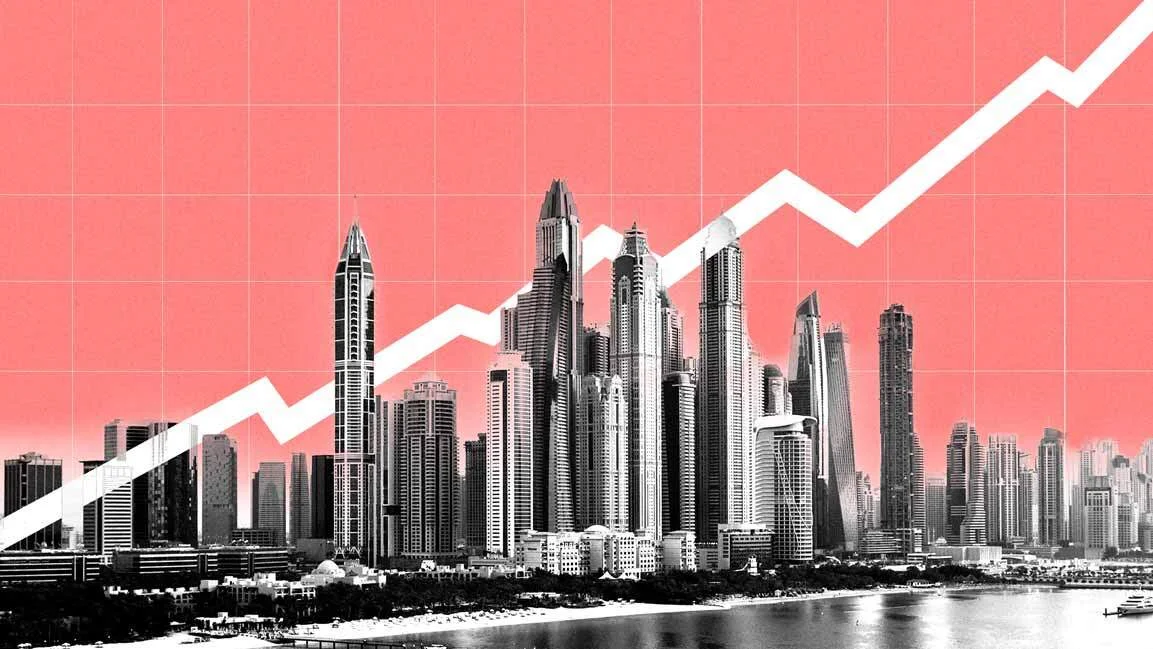
The contribution of diversified sectors to non-oil GDP growth is undeniably significant. As economies around the world strive to break free from the shackles of oil dependency, embracing diversification is crucial for long-term prosperity.
By focusing on sectors such as tourism, technology, agriculture, and manufacturing, countries can cultivate a resilient economic landscape that fosters innovation, job creation, and sustainable development.
As we move forward, it is imperative that governments, businesses, and communities work together to support this diversification journey, ensuring a brighter and more stable economic future for all.
Do Follow Estate Magazine on Instagram
Read More:- Agriculture and Food Security Strategies Fuel UAE Business Growth 2026