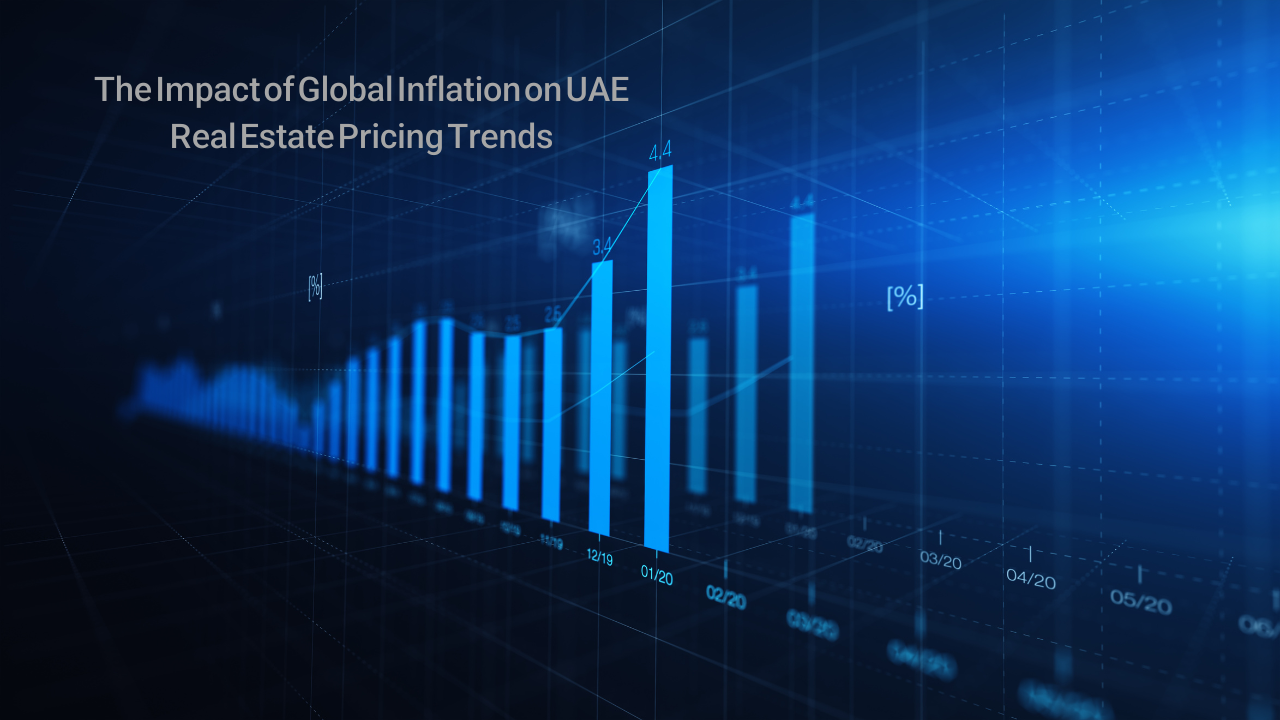
Understanding the intricate relationship between global inflation, interest rates, and the UAE markets is crucial for investors, businesses, and consumers alike. As the world becomes increasingly interconnected, shifts in international economic conditions can significantly impact local economies. This article delves into the influence of global inflation and interest rates on UAE markets, exploring how these factors shape investment strategies, consumer behavior, and overall economic health.
Global inflation refers to the general rise in prices of goods and services across the world, while interest rates are the cost of borrowing money, typically set by central banks. When inflation rises globally, central banks often respond by increasing interest rates to curb spending and stabilize prices. This relationship sets the stage for how economic dynamics unfold in various regions, including the UAE.
The UAE, with its diverse economy and strategic position as a trade hub, is not immune to global inflation. When inflation rises internationally, several key effects can be observed in the UAE markets.
Firstly, rising global prices can lead to increased costs for imported goods, which is significant for the UAE, as it relies heavily on imports for many essential products. As the cost of these imports rises, businesses may pass these expenses onto consumers, leading to higher prices domestically. This can affect consumer spending patterns, as households may tighten their budgets due to increased living costs.
Moreover, inflation can influence the real estate market in the UAE. As costs rise, the demand for properties may shift. Investors may seek real assets like real estate as a hedge against inflation, leading to fluctuations in property prices. This dynamic can create opportunities for savvy investors but also challenges for those looking to enter the market.
Interest rates play a pivotal role in influencing economic activity. When global interest rates rise, it often leads central banks in the UAE, such as the Central Bank of the UAE, to adjust their rates accordingly. Higher interest rates can increase borrowing costs for consumers and businesses, leading to reduced spending and investment.
This shift can particularly impact sectors like real estate and construction, where financing is often essential. With higher borrowing costs, developers may delay projects or scale back, leading to a slowdown in economic growth. Conversely, rising interest rates can also attract foreign investors seeking higher returns on their investments, creating a complex interplay in the market.
The UAE markets are part of a broader global economic landscape, meaning changes in one region can have cascading effects elsewhere. For instance, if inflation leads to higher interest rates in the United States, it could strengthen the US dollar. As the UAE dirham is pegged to the dollar, this could influence exchange rates, trade balances, and investment flows.
Additionally, global supply chain disruptions caused by inflation can impact the UAE’s logistics and transportation sector. As costs rise and supply chains become less predictable, businesses may need to adapt quickly, affecting their operational strategies and profitability.

As the world grapples with ongoing economic challenges, the influence of global inflation and interest rates on UAE markets will continue to evolve. Investors and businesses must remain vigilant, staying informed about global trends while also considering local factors that could affect their strategies.
The ability to adapt is essential in this dynamic environment. Companies that can pivot quickly in response to rising costs or shifts in interest rates are more likely to thrive. Additionally, consumers who understand these economic factors can make more informed decisions about their spending and investment choices.
The influence of global inflation and interest rates on UAE markets is profound and multifaceted. Understanding these dynamics is crucial for anyone looking to navigate the complexities of the UAE’s economic landscape. As global economic conditions continue to shift, being prepared and adaptable will be key to thriving in this ever-changing environment.
Do Follow Estate Magazine on Instagram
Read More:- UAE Economy & National Development: 7 Powerful Milestones Driving Remarkable Growth