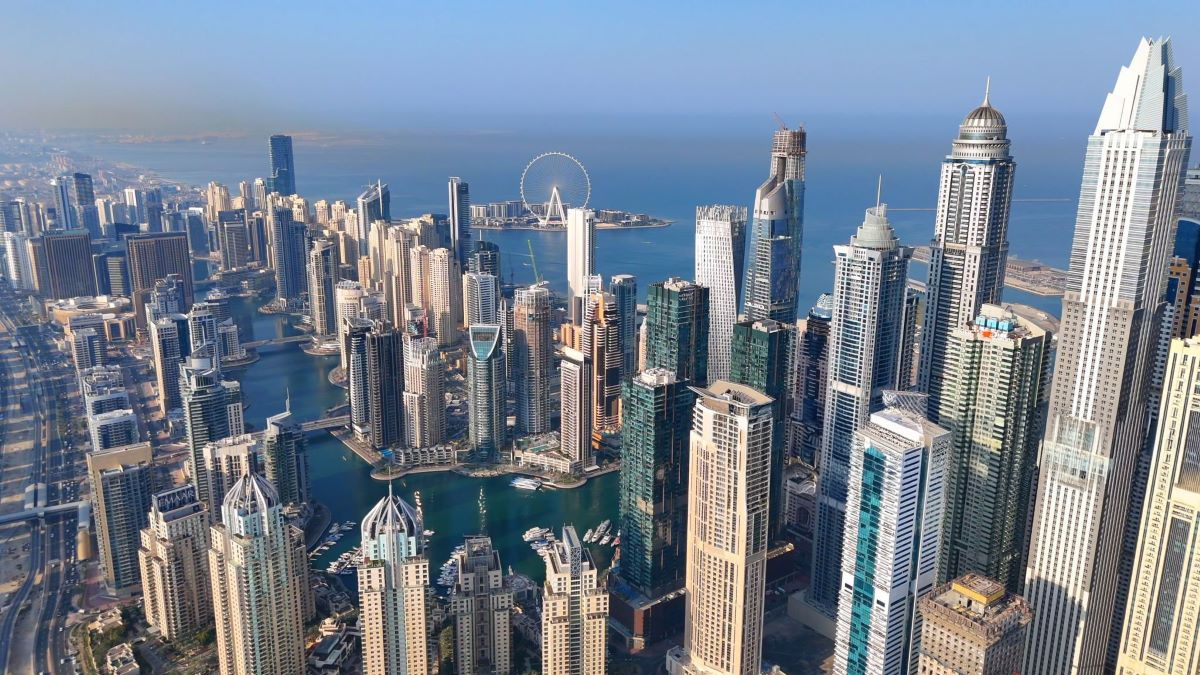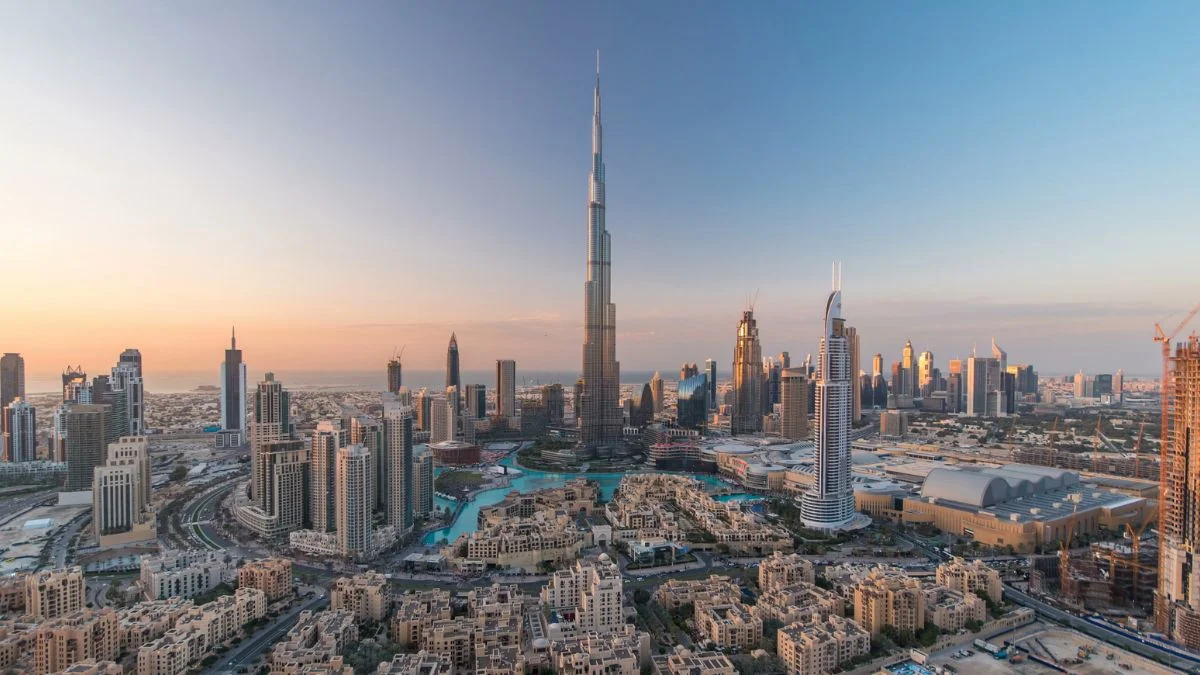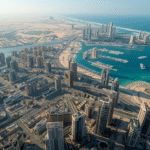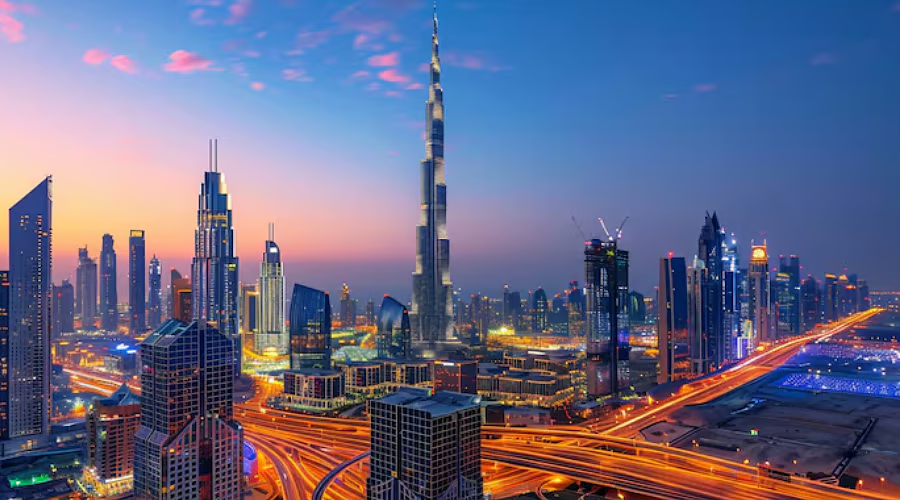
The United Arab Emirates (UAE) has become a bustling hub for business growth, attracting entrepreneurs and established companies alike. This surge in commercial activity is significantly driving demand in UAE office and industrial space. As the region continues to evolve, understanding the nuances of this demand becomes crucial for investors, businesses, and city planners.
In this article, we will explore how the thriving business landscape in the UAE influences the need for office and industrial spaces and what the future holds for these sectors.
The UAE has positioned itself as a strategic business center, drawing international investments and fostering a vibrant entrepreneurial ecosystem. Several factors contribute to this growth:
One major aspect is the UAE’s commitment to diversifying its economy away from oil dependency. The government has initiated numerous projects in sectors like tourism, technology, renewable energy, and healthcare, creating new opportunities for businesses.
Additionally, the UAE has established free zones, offering tax incentives and full ownership rights to foreign investors. This has encouraged many international companies to set up operations in the region, contributing to a growing demand for office space.
As businesses expand, their need for office space grows in tandem. In the UAE, this demand is evident across various sectors, including finance, technology, and retail.
Modern businesses require flexible workspaces that can accommodate changing needs. Consequently, developers are focusing on creating adaptable office environments, featuring co-working spaces, collaborative areas, and advanced technological infrastructure.
Moreover, prime locations such as Dubai and Abu Dhabi are witnessing increased competition for premium office spaces. High-quality developments that offer amenities, accessibility, and modern facilities are in high demand, making these areas particularly attractive for businesses looking to establish a presence in the UAE.
Alongside office spaces, the industrial sector is experiencing a significant transformation driven by business growth. The rise of e-commerce and logistics companies has underscored the importance of efficient industrial facilities.
As more businesses look to streamline their supply chains, the need for warehouses and distribution centers has skyrocketed. The UAE’s strategic geographic location makes it an ideal logistics hub, connecting markets in Europe, Asia, and Africa. This has led to a surge in demand for industrial spaces that can support large-scale operations.
Additionally, advancements in technology are reshaping the industrial landscape. Smart warehouses equipped with automation and data analytics are becoming increasingly popular, further driving the demand for modern industrial facilities.
Technology plays a pivotal role in how businesses operate and, by extension, their real estate needs. In the UAE, the integration of smart technologies into office and industrial spaces is a growing trend.
Businesses are seeking environments that enhance productivity and employee satisfaction. Features such as high-speed internet, energy-efficient designs, and intelligent building systems are now essential. Developers are responding to this demand by integrating cutting-edge technology into their projects, creating spaces that are not only functional but also appealing to modern businesses.
With the growing awareness of environmental issues, sustainability has emerged as a critical factor influencing office and industrial space demand in the UAE.
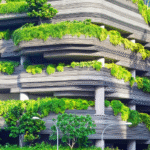
Businesses are increasingly prioritizing eco-friendly practices, and as a result, developers are focusing on sustainable building designs. Green certifications, energy-efficient systems, and sustainable materials are becoming standard in new developments.
This shift towards sustainability not only meets the expectations of socially responsible businesses but also enhances the long-term viability of properties, making them more attractive to investors.
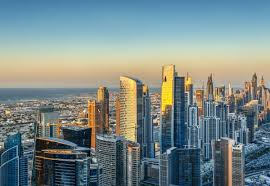
While the business growth driving demand in UAE office and industrial space presents numerous opportunities, it also brings challenges.
The rapid pace of development may lead to oversupply in certain areas, particularly if supply outpaces demand. Therefore, developers and investors must remain vigilant and strategic in their planning.
Additionally, as the workforce evolves with trends such as remote work and digital nomadism, the design and functionality of office spaces may need to adapt. Flexibility, comfort, and a focus on employee well-being will be essential in meeting the future demands of businesses.
As we look ahead, the interplay between business growth and demand in UAE office and industrial space will continue to shape the real estate landscape. Companies will seek innovative, sustainable, and flexible environments that support their operations and workforce.
Investors and developers must remain attuned to market trends and the evolving needs of businesses to capitalize on this growth. By doing so, they can contribute to a dynamic and thriving real estate market that reflects the UAE’s position as a global business hub.
In conclusion, the UAE stands at the forefront of a significant transformation in office and industrial spaces driven by business growth. This evolution offers exciting opportunities for all stakeholders involved.
Do Follow Estate Magazine on Instagram
Read More:- Economic Diversification Impact on Commercial Property Booyah 2026