

In today’s fast-paced world, retail property performance amidst evolving consumer behavior is a topic that commands attention. With shifts in shopping habits driven by technology, social trends, and economic factors, retail property owners must adapt to stay competitive. Understanding these dynamics is crucial for investors, developers, and retailers alike. This article delves into how consumer behavior is changing and the implications for retail properties.
The landscape of consumer behavior has transformed dramatically over the last decade. Factors such as the rise of e-commerce, changing demographics, and the impact of social media have all played significant roles.
One of the most significant shifts has been the increasing preference for online shopping. Consumers now enjoy the convenience of purchasing goods from the comfort of their homes. This trend has led to a re-evaluation of physical store locations and formats. Retailers must consider how they can enhance the in-store experience to compete effectively with the ease of online shopping.
Moreover, younger consumers, particularly millennials and Gen Z, prioritize experiences over material possessions. As a result, retail properties that offer unique experiences, such as dining options or interactive spaces, are more likely to attract foot traffic. Understanding this demographic shift allows property managers to curate tenant mixes that resonate with these evolving preferences.

Location remains a fundamental factor in retail property performance. However, it’s not just about being in a high-traffic area anymore. Accessibility has taken on new dimensions in the context of consumer behavior. Today’s shoppers are not only looking for convenience in terms of distance but also in terms of how easily they can navigate to and within retail spaces.
Properties that integrate technology, such as mobile payment options and augmented reality experiences, can enhance accessibility and attract more consumers. Retailers that offer seamless omnichannel experiences—allowing shoppers to browse online and pick up in-store—are also seeing better performance metrics. This integration fosters a connection between physical and digital shopping, meeting the demands of modern consumers.
As consumer preferences evolve, so too must the design and function of retail spaces. The traditional retail model is being replaced with more flexible formats that can adapt to changing consumer demands.
Pop-up shops, for instance, have grown in popularity. These temporary retail spaces allow brands to test new markets or products without the long-term commitment of a permanent storefront. Additionally, mixed-use developments that combine retail, dining, and residential spaces are becoming increasingly attractive. This model caters to the desire for convenience and community, enhancing retail property performance.
Moreover, sustainability has emerged as a critical consideration. Consumers are increasingly conscious of environmental impacts, prompting retailers to adopt greener practices. Retail properties that prioritize sustainability not only appeal to eco-conscious shoppers but can also benefit from lower operating costs.
Technology is a game-changer in retail property performance. From data analytics to smart building solutions, embracing technology can provide valuable insights into consumer behavior and enhance operational efficiency.
Data analytics allows property managers to understand shopping patterns, optimize inventory, and tailor marketing strategies. By analyzing foot traffic, dwell times, and purchasing behaviors, retailers can make informed decisions that improve the overall shopping experience.
Additionally, smart technologies, like IoT devices, can help manage energy use and improve security, resulting in cost savings. Retail properties that leverage these technologies not only improve their bottom line but also create a more engaging atmosphere for consumers.
Economic conditions significantly influence consumer behavior and, consequently, retail property performance. Factors such as inflation, employment rates, and disposable income levels can dictate spending patterns.
During economic downturns, consumers may prioritize essential goods over luxury items, impacting the types of retailers that thrive in a given market. Retail property owners must remain vigilant and adaptable, adjusting their tenant mix to align with economic realities.
Conversely, during periods of economic growth, luxury brands may see a resurgence. Property owners who maintain a diverse tenant mix can shield themselves from the volatility of economic cycles, ensuring long-term stability and performance.
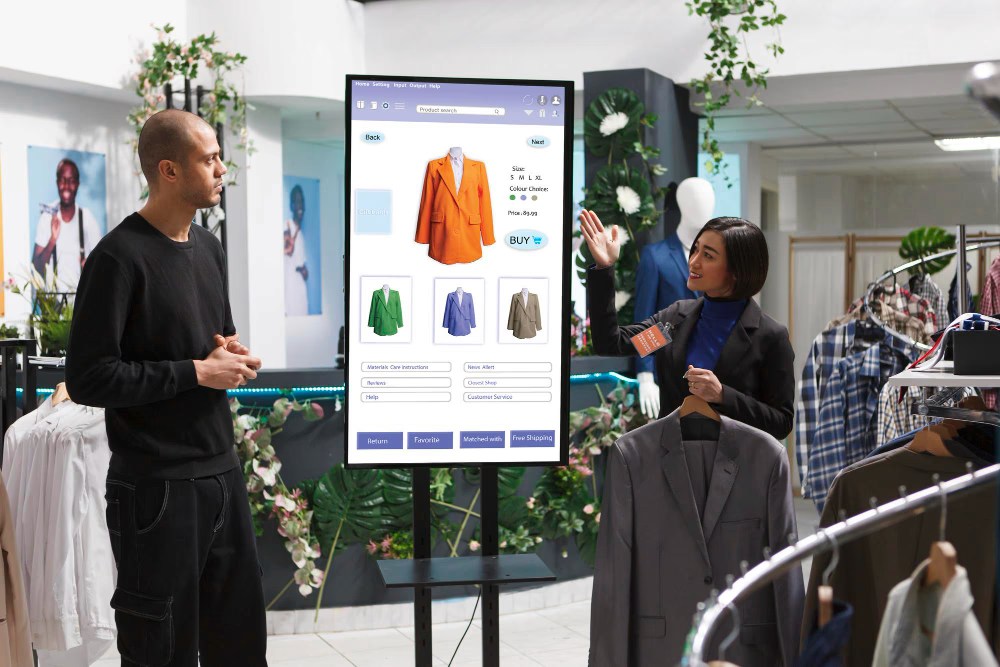
As we look ahead, several trends are poised to shape retail property performance amidst evolving consumer behavior.
First, the integration of experiential retail will likely continue to gain momentum. Retailers that provide unique experiences—such as workshops, tastings, and events—will draw consumers seeking more than just a shopping trip.
Second, the focus on community engagement will become paramount. Retail properties that foster a sense of community, whether through local events or collaborations with local businesses, will enhance consumer loyalty and foot traffic.
Lastly, sustainability will remain a driving force. As consumers become increasingly concerned about climate change, retail properties that prioritize green building practices and sustainable tenant operations will likely thrive.
In conclusion, the retail property performance amidst evolving consumer behavior is a multifaceted challenge that demands attention and adaptability. Understanding shifts in consumer preferences, leveraging technology, and adapting to economic factors are essential steps for property owners and retailers alike.
As the retail landscape continues to evolve, those who embrace change and prioritize the consumer experience will be best positioned for success. By focusing on location, accessibility, and sustainability, retail properties can enhance their performance and remain relevant in a dynamic market.
Do Follow Estate Magazine on Instagram
Read More:- Logistics and Warehousing Real Estate Surge Booyah! Driven by Supply‑Chain Changes 2026