
As the world becomes increasingly interconnected, the demand for effective logistics and warehousing solutions is on the rise. This phenomenon stems from the growing emphasis on supply-chain optimization, which has become a critical factor in determining the success of businesses across various industries. The intersection of logistics and warehousing real estate is thriving, driven by the need for efficiency, speed, and reliability in delivering goods to consumers. Let’s explore the key factors contributing to this growth and understand why logistics and warehousing real estate is a sector to watch.
The explosion of e-commerce has been a game-changer for logistics and warehousing. With more consumers turning to online shopping, businesses are compelled to rethink their supply chains to keep pace with customer expectations. This shift has led to a significant uptick in the demand for logistics and warehousing spaces.
E-commerce giants require vast warehouses located strategically to ensure quick deliveries. The need for last-mile distribution centers has increased, influencing the logistics and warehousing real estate market. This growth is not just about more space; it’s about smart logistics that can handle the complexities of modern supply chains.
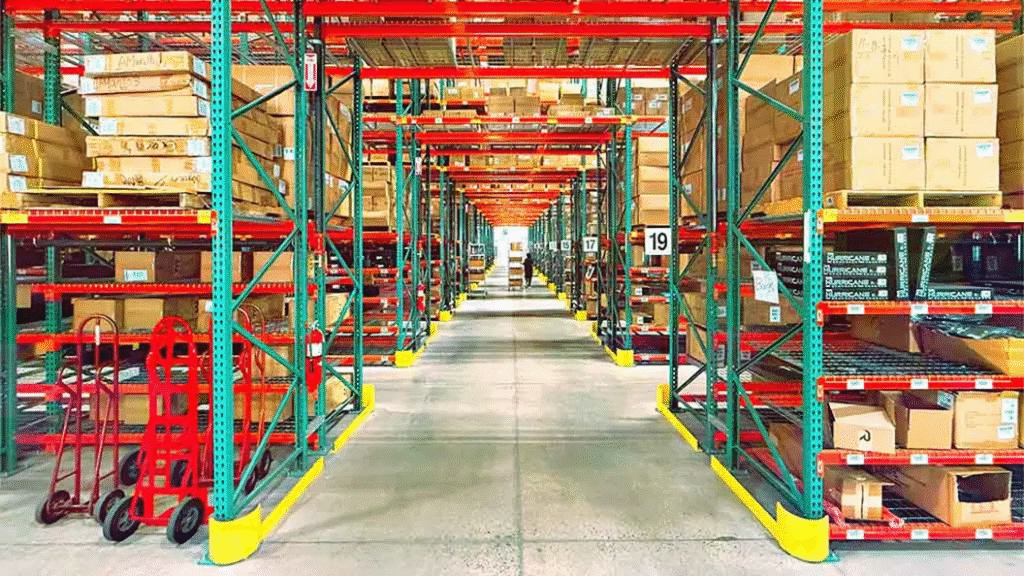
Supply-chain optimization is the process of improving the efficiency of the supply chain to reduce costs and enhance service levels. As companies strive to respond more quickly to market demands, they are investing heavily in technology and infrastructure that support this optimization.
The growth of logistics and warehousing real estate is closely tied to these efforts. Businesses are seeking properties that facilitate streamlined operations, such as facilities equipped with the latest technology for inventory management and automation. By optimizing supply chains, companies not only reduce costs but also enhance their overall competitiveness in the market.
Advancements in technology are reshaping logistics and warehousing. Automation, artificial intelligence, and data analytics are becoming integral to warehouse operations. These technologies allow for better inventory tracking, improved order fulfillment, and more efficient space utilization.
As a result, logistics and warehousing real estate is evolving to accommodate these technological advancements. New facilities are being designed with smart technologies in mind, attracting businesses looking for modern solutions. This trend underscores the importance of investing in logistics and warehousing spaces that can adapt to technological changes, further fueling growth in the sector.
Sustainability is no longer just a buzzword; it’s a necessity in today’s business environment. Companies are increasingly aware of their environmental impact and are looking for ways to reduce their carbon footprint. This has significant implications for logistics and warehousing real estate.
Green warehouses that utilize sustainable building practices and energy-efficient technologies are in high demand. This focus on sustainability is reshaping the types of facilities being constructed and renovated. As businesses strive to meet their sustainability goals, the logistics and warehousing sector is witnessing a transformation that prioritizes eco-friendly practices.
Urbanization is another factor driving the growth of logistics and warehousing real estate. With more people moving to cities, the need for efficient supply chains in urban areas is becoming increasingly important.
Urban logistics hubs are emerging as businesses seek to position their warehouses closer to densely populated areas. This trend enhances the ability to deliver goods quickly, meeting the demands of urban consumers. The logistics and warehousing real estate market is adapting to this shift, with a focus on developing properties in strategic, urban locations.
Looking ahead, the logistics and warehousing real estate sector is poised for continued growth. As supply-chain optimization remains a priority for businesses, the demand for efficient and technologically advanced warehousing solutions will only increase.
Investors are recognizing the potential of this sector, leading to more capital being directed toward logistics and warehousing properties. The focus will likely remain on creating facilities that can adapt to changing technologies, sustainability standards, and urbanization trends.
The logistics and warehousing real estate growth due to supply-chain optimization reflects a broader transformation in how businesses operate. As companies adapt to the changing landscape of consumer demands, technology, and sustainability, the logistics sector will continue to flourish.
For investors, developers, and businesses alike, understanding and embracing these trends will be crucial in navigating the future of logistics and warehousing. The potential for growth in this area is vast, and those who position themselves strategically will reap the benefits of this evolving market.
Do Follow Estate Magazine on Instagram
Read More:- Business Operations, Supply Chain & Commerce: Ultimate Success Guide 2026