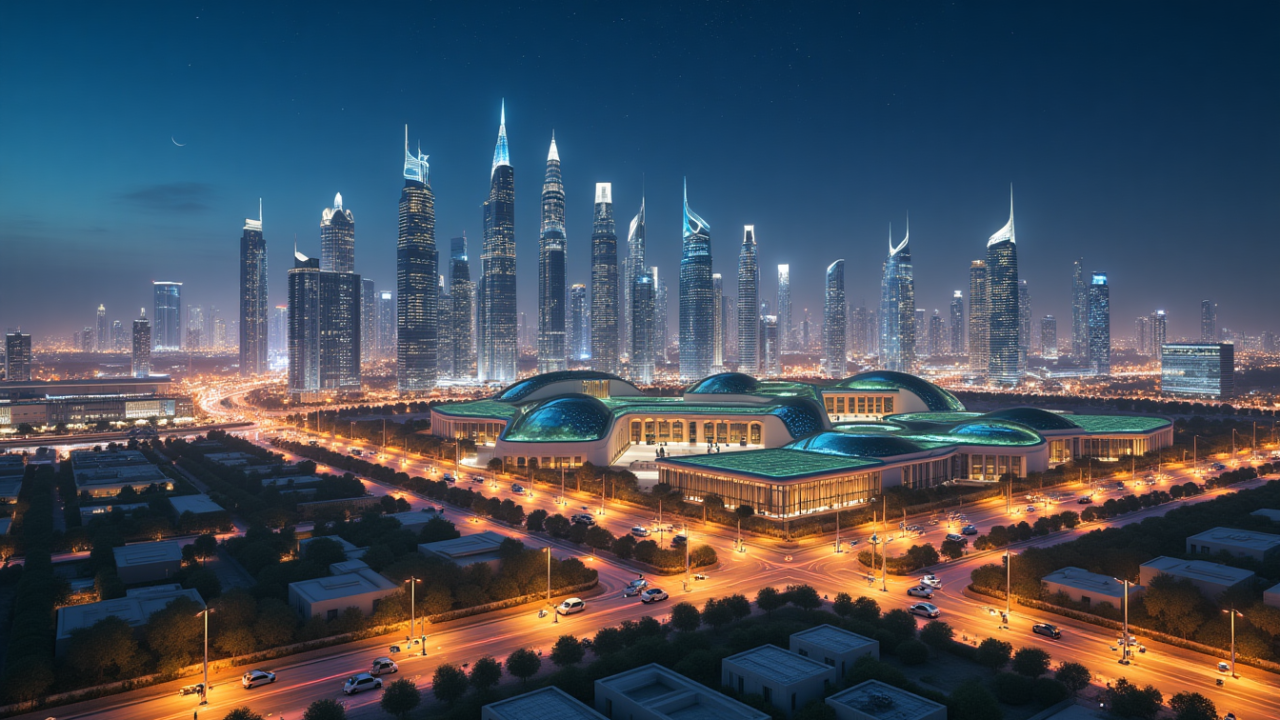
Dubai has always been a beacon of innovation and ambition in the Middle East. As we look towards the future, Dubai’s Strategic Economic Vision for 2030 emerges as a pivotal blueprint aimed at propelling the region into a new era of prosperity and sustainability. This vision is not merely a plan; it represents a commitment to transforming Dubai into a global economic powerhouse that thrives on diversity, technology, and sustainability.
At the heart of Dubai’s Strategic Economic Vision for 2030 lies a set of clearly defined objectives. The city seeks to enhance its economic landscape by focusing on key sectors that promise growth and sustainability. This vision aims to diversify the economy beyond oil dependency, ensuring that Dubai remains resilient against global economic fluctuations.
One of the primary goals is to position Dubai as a global hub for trade, finance, and tourism. The vision incorporates strategies to enhance the infrastructure, promote innovative sectors, and establish a robust regulatory framework that encourages foreign investment.
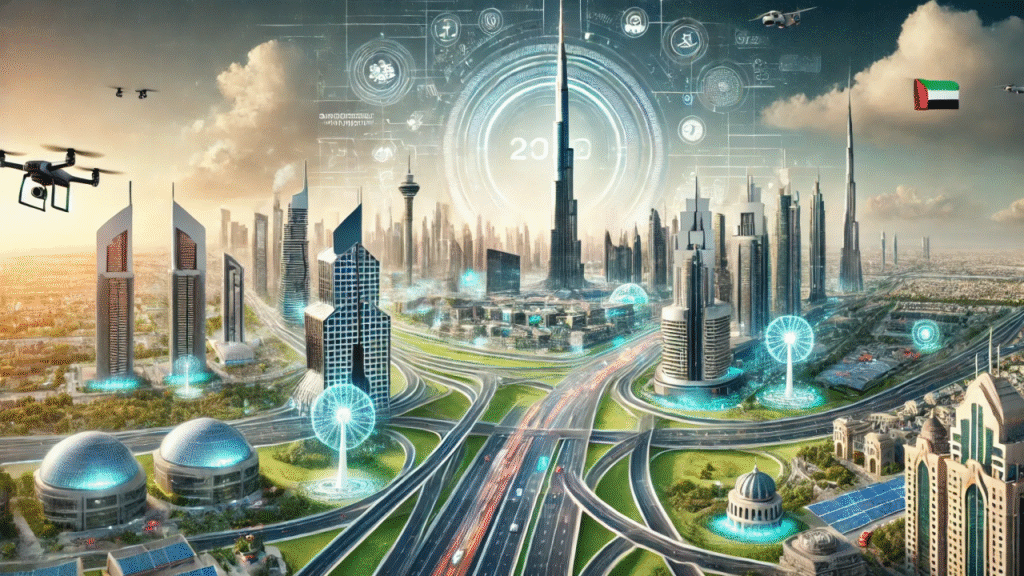
Dubai’s Strategic Economic Vision for 2030 identifies several key sectors that will drive economic growth:
Tourism is a cornerstone of Dubai’s economy. The vision outlines plans to attract 25 million visitors annually by 2030, enhancing the city’s appeal through world-class attractions, events, and cultural experiences. This includes expanding entertainment options, luxury shopping, and promoting Dubai as a cultural melting pot.
Embracing technological advancements is crucial for any modern economy. Dubai aims to become a leader in innovation by fostering a tech-savvy ecosystem. Investments in artificial intelligence, fintech, and smart city initiatives are integral to this vision, ensuring that Dubai remains at the forefront of technological developments.
Sustainability is a key pillar of Dubai’s Strategic Economic Vision for 2030. The city is committed to achieving a green economy by promoting renewable energy sources, enhancing waste management systems, and ensuring efficient water use. This commitment not only addresses environmental concerns but also positions Dubai as a model for sustainable urban development.
A vision as ambitious as Dubai’s requires a skilled workforce. The city recognizes that education and workforce development are essential in achieving its economic goals. By investing in education and vocational training, Dubai aims to equip its citizens with the necessary skills to thrive in a rapidly changing job market.
Collaboration between educational institutions and businesses will be crucial in creating programs that meet the demands of the future economy. This approach ensures a steady flow of talent ready to drive innovation and growth.
Dubai’s Strategic Economic Vision for 2030 emphasizes the importance of global connectivity. The city’s geographical location makes it a natural hub for international trade and travel. The vision includes plans to enhance air and sea transportation infrastructure, making it easier for businesses to operate globally.
Additionally, Dubai aims to strengthen its trade relationships with emerging markets, ensuring that it remains a vital link in global supply chains. This focus on connectivity will attract further investment and foster economic collaboration.
An effective regulatory environment is vital for achieving the objectives outlined in Dubai’s Strategic Economic Vision for 2030. The government is committed to creating a framework that promotes business growth while ensuring transparency and fair competition.
By streamlining regulations and reducing bureaucratic hurdles, Dubai aims to make it easier for businesses to establish and operate within the city. This approach not only enhances the business environment but also builds trust among investors and stakeholders.
Community engagement is an essential component of Dubai’s Strategic Economic Vision for 2030. The government recognizes that the success of this vision depends on the active participation of its citizens and businesses. Public-private partnerships will play a significant role in driving initiatives forward, ensuring that the interests of all stakeholders are considered.
By fostering collaboration between the government, private sector, and community organizations, Dubai aims to create a cohesive and inclusive environment that supports economic growth.
As we move closer to 2030, the impact of Dubai’s Strategic Economic Vision will become increasingly evident. The city is poised to emerge as a leading global economic powerhouse, known for its innovation, sustainability, and resilience.
The successful implementation of this vision will not only benefit Dubai but also set a precedent for other cities looking to diversify their economies and embrace sustainability. By focusing on key sectors, enhancing global connectivity, and fostering community engagement, Dubai is paving the way for a prosperous future.
In conclusion, Dubai’s Strategic Economic Vision for 2030 represents a transformative roadmap that aims to elevate the city to new heights of economic success. With a clear focus on diversity, innovation, and sustainability, Dubai is set to redefine what it means to be a global hub in the modern era.
As this ambitious vision unfolds, it will undoubtedly inspire other regions to pursue similar pathways toward economic resilience and growth. The world will be watching as Dubai takes bold steps to realize its vision, and the possibilities are as limitless as the desert sky.
Do Follow Estate Magazine on Instagram
Read More:- Economic Diversification Beyond Oil: 7 Powerful Ways Real Estate Drives Growth