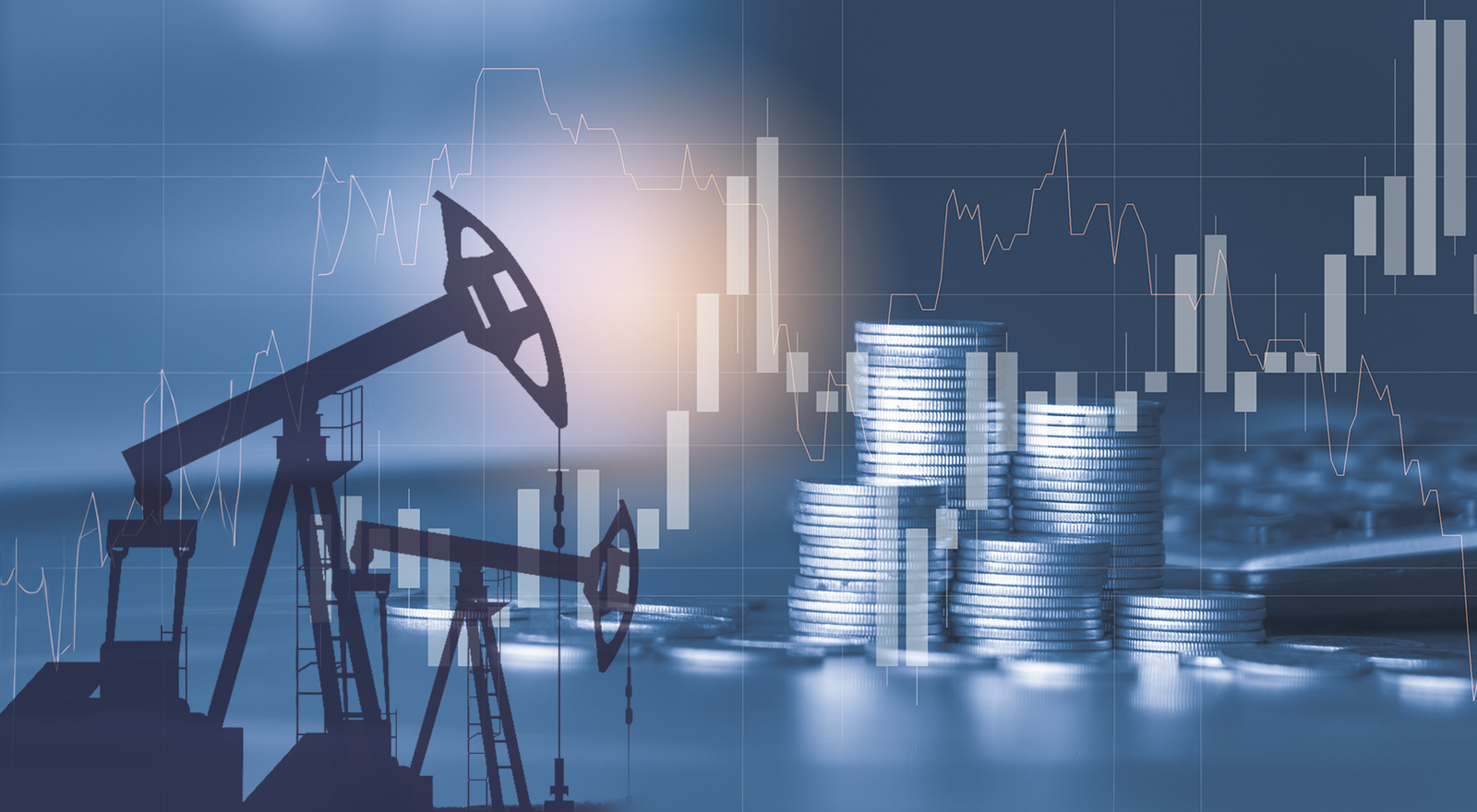
As the global economy evolves, many nations reliant on oil are recognizing the pressing need for economic diversification. One of the most significant sectors contributing to this transition is real estate. The journey towards economic diversification beyond oil is not just a theoretical concept; it is becoming a vibrant reality, with real estate playing a crucial role in shaping sustainable growth.
In this article, we will explore how real estate contributes to economic diversification, its impact on job creation, urban development, and fostering a more resilient economy.
Real estate represents a critical pillar in the landscape of economic diversification. Countries that have historically depended on oil revenues are turning their gaze towards real estate development as a viable alternative for sustainable growth. The sector is not merely a means to generate revenue; it is an engine for innovation, investment, and community development.
The real estate market has a unique ability to attract foreign investments. International investors are often drawn to emerging markets where property values are poised for growth. This influx of capital creates opportunities for local developers and businesses, fostering a vibrant ecosystem that contributes to a diversified economy.
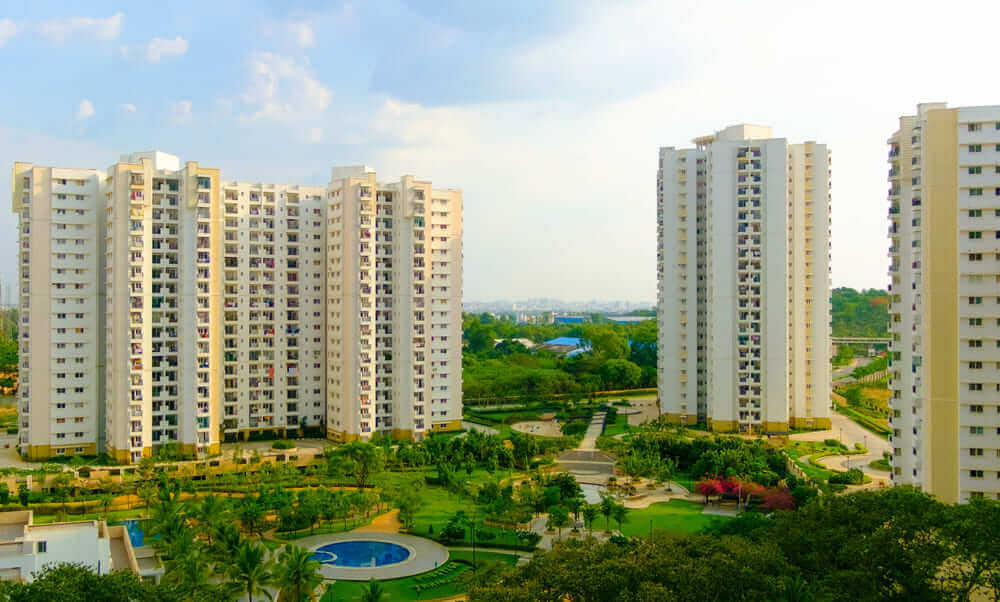
One of the most tangible benefits of real estate development is job creation. In an effort to diversify beyond oil, nations are investing heavily in real estate projects, which in turn creates thousands of jobs in construction, property management, and real estate services.
These jobs not only provide immediate employment opportunities but also stimulate local economies. Workers in the construction industry, for example, often spend their earnings on goods and services in their communities, further fueling economic growth. This multiplier effect amplifies the positive impact of real estate development on a nation’s economy.
Investing in real estate also leads to significant urban development and infrastructure improvements. As cities expand and modernize, there is an increasing demand for residential, commercial, and mixed-use properties. This demand drives the construction of new buildings, roads, schools, and public spaces, which enhance the overall quality of life for residents.
Moreover, improved infrastructure attracts businesses, which can lead to a more diverse economy. When companies establish themselves in well-developed areas, they contribute to job creation and economic stability. Thus, real estate development not only meets the immediate needs of the population but also lays the groundwork for future growth.
Real estate is also a catalyst for innovation and entrepreneurship. As new properties emerge, they create opportunities for small businesses and startups. Entrepreneurs can find affordable spaces to launch their ventures, fostering a culture of innovation that transcends traditional industries.
Co-working spaces, retail hubs, and community centers often emerge in newly developed areas, promoting collaboration and networking among entrepreneurs. This environment encourages the sharing of ideas and resources, which can lead to groundbreaking innovations and the emergence of new sectors that contribute to economic diversification.
Another significant contribution of real estate to economic diversification is its potential to attract tourism. Well-developed and appealing real estate projects can draw visitors from around the world. This influx of tourists not only benefits the hospitality sector but also stimulates local businesses that cater to tourists, such as restaurants, shops, and entertainment venues.
Additionally, real estate investments can attract global investors looking for opportunities in emerging markets. Foreign direct investment in real estate can provide a substantial boost to the economy, leading to job creation and increased tax revenues that can be reinvested into public services and infrastructure.
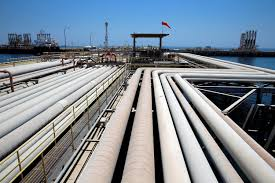
While oil prices can be volatile and unpredictable, real estate provides a more stable revenue source for governments and local authorities. Property taxes, development fees, and rental income create a consistent flow of funds that can be used to support public services and community projects.
By diversifying revenue streams away from oil, governments can lessen their vulnerability to fluctuations in oil prices. This stability is essential for long-term planning and development, ensuring that communities can thrive even in uncertain economic climates.
Economic diversification beyond oil is not merely an option; it is a necessity for many nations. Real estate’s contribution to this transition is multifaceted, impacting job creation, urban development, innovation, and global investment. By embracing real estate as a key component of their economic strategies, countries can build more resilient economies that are less reliant on a single resource.
As the world continues to evolve, the role of real estate in economic diversification will only grow more critical. By investing in this sector, nations can pave the way for sustainable growth and a brighter future for their citizens.
Do Follow Estate Magazine on Instagram
Read More:- Global Finance: Dubai’s Powerful Rise: 7 Key Ways It’s Shaping the Ecosystem