
When it comes to investment opportunities in the United Arab Emirates, two cities often dominate discussions: Dubai and Abu Dhabi. Both cities have their unique charm and advantages, yet they present different economic landscapes for real estate. This article delves into the economic comparison between Dubai and Abu Dhabi real estate, exploring various factors that influence investment decisions in these vibrant cities.
The real estate market in Dubai and Abu Dhabi is shaped by several interlinked factors, including economic growth, population influx, and government policies. Understanding these dynamics is crucial for investors looking to make informed decisions.
Dubai has established itself as a global hub for tourism and business, which translates into a high demand for real estate. The city’s iconic skyline and luxurious lifestyle attract both local and international investors. On the other hand, Abu Dhabi, being the capital, offers a different appeal with its emphasis on culture, stability, and government investment in infrastructure.

Dubai’s real estate market is characterized by a diverse range of properties, from high-end luxury villas to affordable apartments. The city’s strategic location, world-class amenities, and vibrant lifestyle make it an attractive option for both residential and commercial investments.
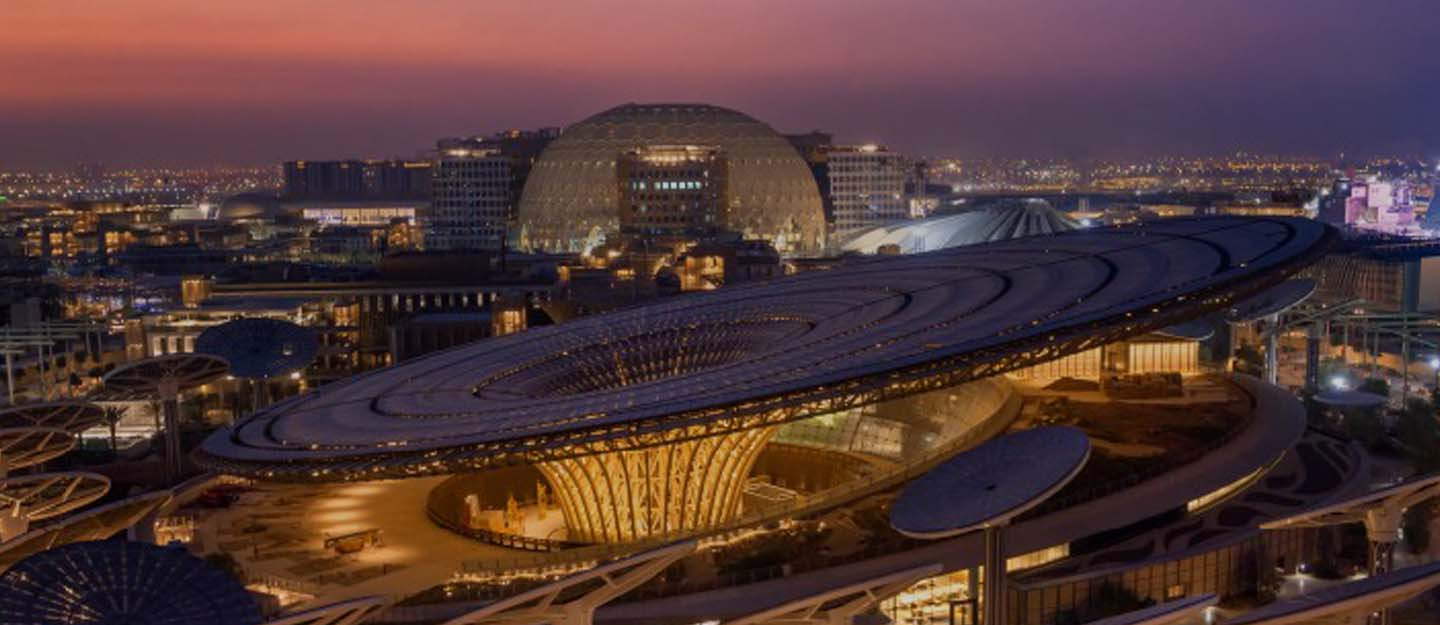
One of the key driving factors for real estate growth in Dubai is the influx of expatriates and tourists. The city’s favorable tax regime, coupled with initiatives like the Golden Visa, has made it easier for foreign nationals to invest in properties. Additionally, Dubai’s hosting of international events, such as Expo 2020, has further boosted property demand.
Investors can explore various neighborhoods, each offering unique characteristics. Areas like Downtown Dubai and Palm Jumeirah are known for their luxurious offerings, while neighborhoods like Dubai Marina and Jumeirah Lake Towers cater to a more diverse demographic.
Abu Dhabi’s approach to real estate is somewhat different from that of Dubai. While Dubai focuses on attracting tourists and expatriates, Abu Dhabi emphasizes sustainable development and long-term investment. The city is known for its tranquil environment and cultural heritage, appealing to families and professionals seeking a more serene lifestyle.
The government has made significant investments in infrastructure, education, and healthcare, enhancing the overall quality of life. This focus on development has led to increased demand for residential properties, particularly in areas like Al Reem Island and Saadiyat Island, which are known for their modern amenities and proximity to cultural institutions.
Abu Dhabi also offers unique investment opportunities through its freehold areas, allowing foreign nationals to own property in designated regions. This has encouraged international investors to consider Abu Dhabi as a viable option for property investment.
When comparing prices, Dubai generally has a broader price range, catering to various income levels. Luxury properties in prime locations can command exorbitant prices, while more affordable options exist in developing areas. In contrast, Abu Dhabi’s market has been traditionally more stable, with a focus on sustainability and long-term value.
Over the years, both cities have seen fluctuations in property prices. However, Dubai’s market is often more reactive to global economic conditions, while Abu Dhabi tends to maintain steadier growth, making it an attractive option for risk-averse investors.
Investors often look for rental yields when considering real estate options. Dubai has consistently demonstrated higher rental yields compared to Abu Dhabi, primarily due to its booming tourism sector and high expatriate population. Areas like Dubai Marina and Business Bay offer attractive returns for short-term rentals, making them popular among investors.
Abu Dhabi, while offering lower yields, presents a compelling case for long-term investment. The city’s focus on sustainability and quality of life often results in stable rental demand, particularly in family-oriented neighborhoods. Investors who prioritize stability and long-term growth may find Abu Dhabi to be a more suitable option.
Both Dubai and Abu Dhabi have established favorable regulatory environments for real estate investment. Dubai’s Real Estate Regulatory Agency (RERA) ensures transparency and protects investors’ rights, making it easier for buyers to navigate the market.
In Abu Dhabi, the Department of Municipalities and Transport plays a crucial role in regulating the real estate sector. The government has introduced initiatives to enhance property ownership and streamline the investment process, providing reassurance to foreign investors.
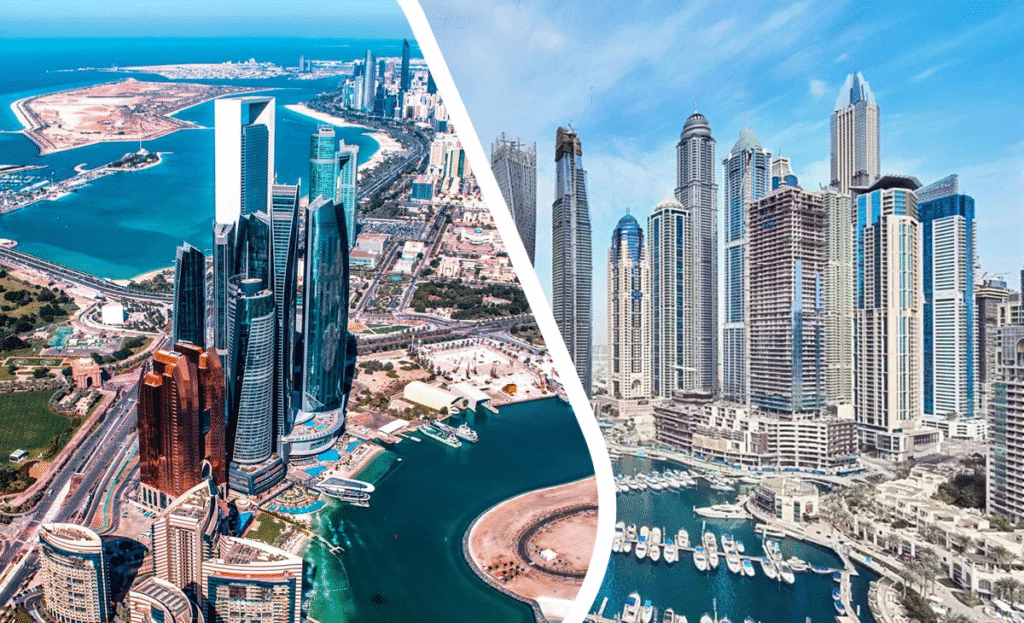
When choosing between Dubai and Abu Dhabi for real estate investment, lifestyle and cultural factors play a significant role. Dubai is known for its vibrant nightlife, shopping, and entertainment options, appealing to a younger demographic and expatriates seeking an active lifestyle.
Conversely, Abu Dhabi offers a more laid-back atmosphere, with a focus on cultural experiences and family-oriented activities. The city is home to several museums, parks, and cultural festivals, making it an attractive option for families and those looking for a quieter lifestyle.
As both Dubai and Abu Dhabi continue to evolve, the future of their real estate markets looks promising. Dubai’s ongoing development projects and commitment to becoming a global business hub are likely to attract further investment. The city’s adaptability and innovation will continue to play a crucial role in shaping its real estate landscape.
Abu Dhabi, with its emphasis on sustainability and quality of life, is poised to attract investors looking for long-term stability. The government’s initiatives to diversify the economy and enhance infrastructure will further bolster the real estate sector.
In the economic comparison of Dubai vs Abu Dhabi real estate, both cities offer unique advantages and challenges. Investors must assess their priorities and investment goals to make an informed decision. Whether drawn to the dynamic lifestyle of Dubai or the serene environment of Abu Dhabi, understanding the nuances of each market will help investors maximize their returns.
In the end, the choice between Dubai and Abu Dhabi real estate ultimately boils down to individual preferences and financial objectives. Both cities present compelling opportunities for investors willing to navigate their distinct economic landscapes.
Do Follow Estate Magazine on Instagram
Read More:- Foreign Investor Community: 7 Powerful Trends Driving South Asia, Europe & MENA