Understanding rental yield trends in Dubai’s residential real estate market is essential for investors and homeowners alike. With its thriving economy, luxurious lifestyle, and a stable property market, Dubai continues to attract both local and international investors. As the demand for rental properties increases, so does the interest in rental yields, making it crucial to grasp the latest trends in this dynamic market.
Rental yield is the annual rental income generated from a property, expressed as a percentage of its total value. For investors in Dubai’s real estate, understanding rental yields is vital for assessing the profitability of their investments. Higher rental yields indicate a better return on investment, making properties more appealing to buyers and renters.
In Dubai, rental yields can vary significantly depending on various factors, including location, property type, and market conditions. Keeping an eye on rental yield trends helps investors make informed decisions and optimize their investment strategies.
The rental yield landscape in Dubai is continuously evolving. As of the latest data, average rental yields in Dubai range from 5% to 9%, depending on the area and type of property. Some neighborhoods are consistently outperforming others, making them prime targets for investors seeking lucrative returns.
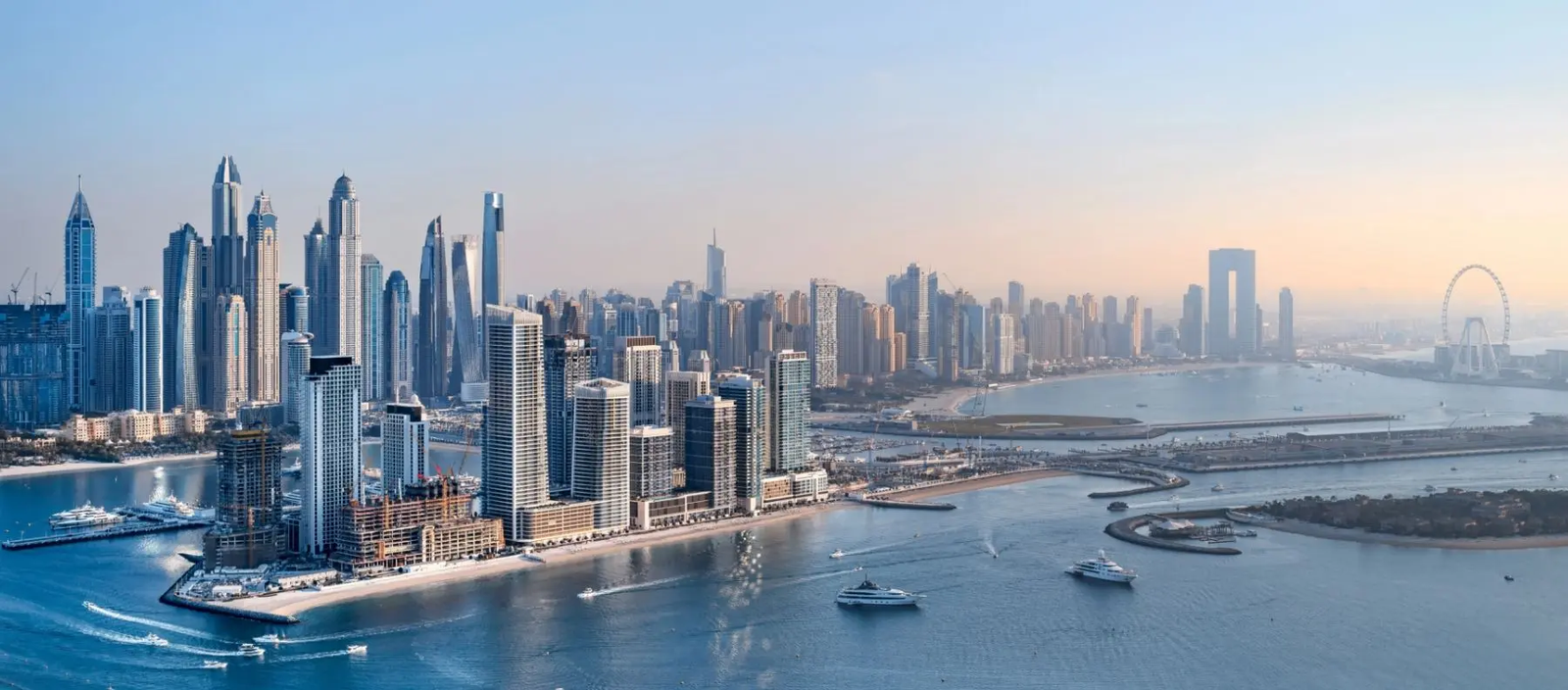
High-demand areas such as Dubai Marina, Downtown Dubai, and Jumeirah Lakes Towers typically see higher rental yields. These locations are popular among expatriates and tourists, driving up rental prices and, consequently, yields. In contrast, emerging neighborhoods like Dubai South and Dubai Land offer attractive yields, albeit with some investment risk due to less established infrastructure and amenities.
Several factors influence rental yield trends in Dubai’s residential real estate market. Understanding these can provide insight into future performance and investment opportunities.
The location of a property plays a crucial role in determining its rental yield. Areas with high foot traffic, proximity to business hubs, schools, and entertainment options generally command higher rents. Investors focusing on prime locations are more likely to achieve better rental yields.
The type of property also affects rental yields. Luxury apartments and villas may offer lower yields but can attract high-end tenants willing to pay a premium for quality. Conversely, more affordable housing options often show higher yields, appealing to a broader tenant base.
Rental yields are significantly impacted by market dynamics. High demand combined with limited supply can drive rental prices up, resulting in improved yields. Conversely, an oversupply of rental units in certain areas can lead to a decrease in rental prices, adversely affecting yields.
The broader economic climate in Dubai influences rental yield trends as well. Economic growth, increased job opportunities, and a rise in expatriate population contribute positively to demand for rental properties, thereby enhancing yields.
The rental yield landscape in Dubai is not uniform; various neighborhoods exhibit distinct characteristics. Understanding these differences can guide investors in choosing the right area for their investments.
Dubai Marina is renowned for its vibrant atmosphere and luxurious lifestyle. This area consistently boasts some of the highest rental yields in the city, often exceeding 8%. Its appeal to both tourists and residents makes it a top choice for investors.
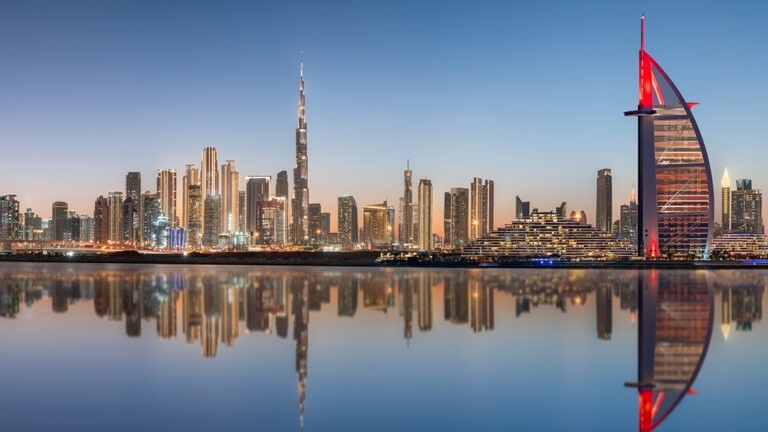
As the heart of Dubai, Downtown offers iconic landmarks and high-end living. While yields here may be lower compared to Dubai Marina, the area remains a solid investment due to its status and potential for capital appreciation.
Jumeirah Lakes Towers (JLT) provides a more affordable alternative to neighboring areas. The rental yields in JLT often reach 7% or more, appealing to investors looking for value without sacrificing quality.
Dubai South is an up-and-coming area with substantial growth potential. While current yields may be lower due to its developing status, long-term forecasts suggest promising returns as infrastructure and amenities improve.
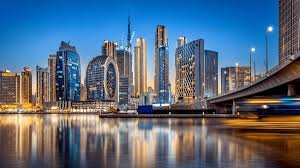
Looking ahead, rental yield trends in Dubai’s residential real estate market remain optimistic. With ongoing government initiatives to boost the economy and attract foreign investment, the demand for rental properties is expected to continue rising. Additionally, upcoming events, such as Expo 2025, promise to enhance the city’s global appeal, further driving rental demand.
Investors should keep a close eye on emerging neighborhoods and market conditions to seize opportunities that can maximize their rental yields. Diversifying property portfolios across various locations and types can help mitigate risks while taking advantage of different yield potentials.
In conclusion, understanding rental yield trends in Dubai residential real estate is crucial for making informed investment decisions. The market’s dynamism, driven by location, property type, and economic conditions, offers both challenges and opportunities. By staying informed and adapting to changing trends, investors can optimize their strategies and achieve rewarding outcomes.
As the Dubai property market continues to evolve, keeping an eye on these trends will empower investors to make sound choices in their real estate ventures.
Do Follow Estate Magazine on Instagram
Read More:- Foreign Buyers and Global Property Prices: 5 Shocking Trends Reshaping Markets