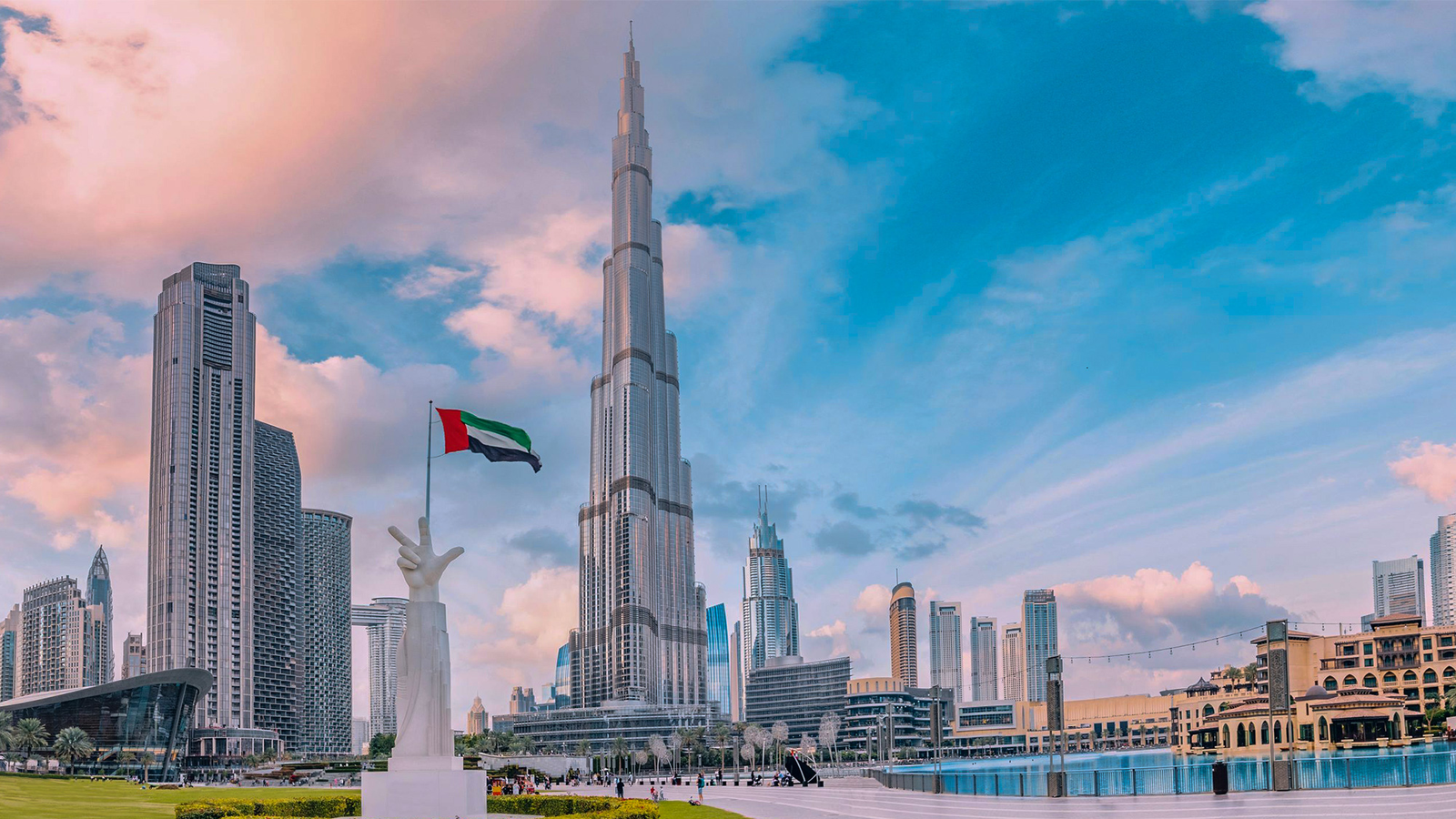
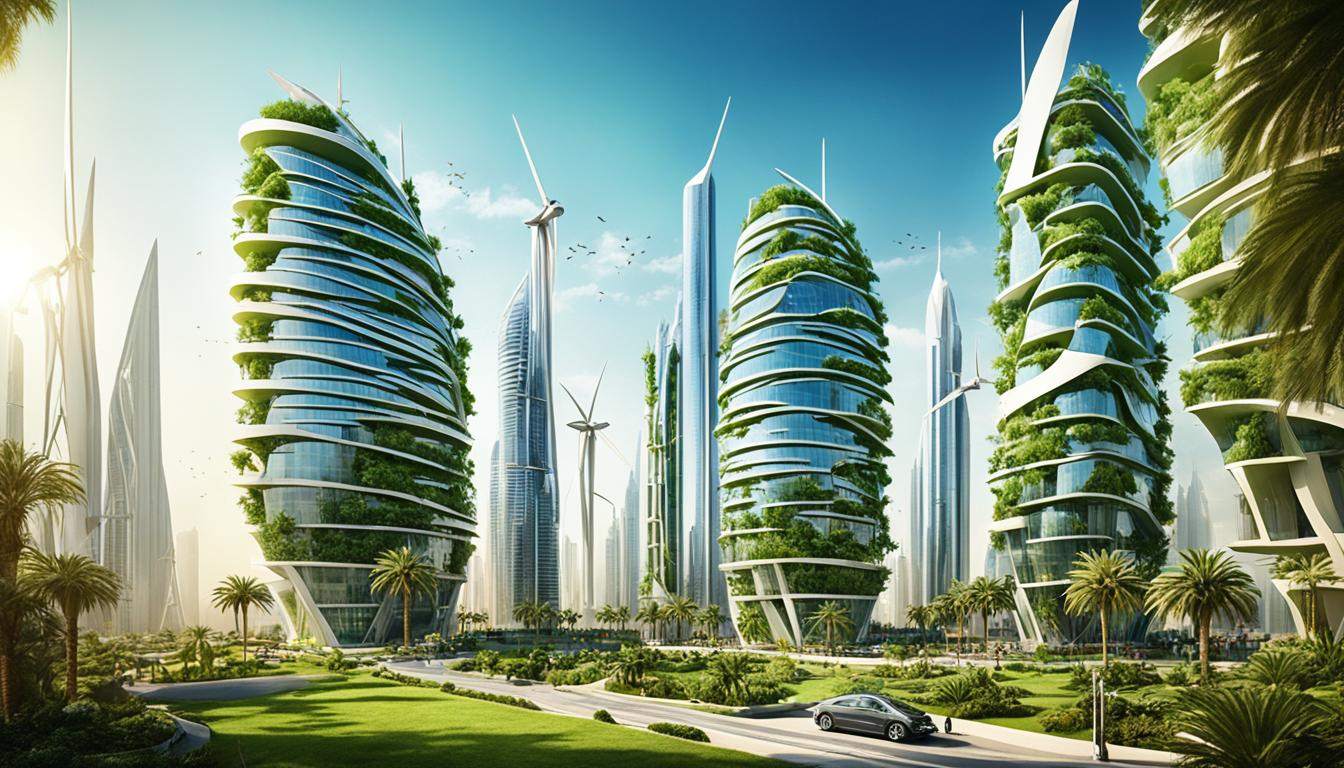
Sustainability and green buildings in Dubai’s residential market are revolutionizing the way we think about living spaces. As the world grapples with climate change and environmental degradation, cities like Dubai are stepping up to embrace eco-friendly practices. With its ambitious vision for a sustainable future, Dubai is at the forefront of integrating green technologies into its residential developments. This article explores the key elements of sustainability in Dubai’s residential sector, the benefits of green buildings, and how they are shaping the future of living in this vibrant city.
The concept of sustainability and green buildings in Dubai’s residential market has gained momentum in recent years. The city’s rapid urbanization and population growth have prompted a critical need for environmentally conscious living solutions. Developers are increasingly adopting green building practices to reduce energy consumption, minimize waste, and create healthier living environments.
Dubai’s government has played a pivotal role in promoting sustainability. Initiatives like the Dubai Clean Energy Strategy 2050 aim to make the emirate a global center for clean energy and green economy. This vision has led to the establishment of regulations that encourage developers to incorporate sustainable practices in their projects.
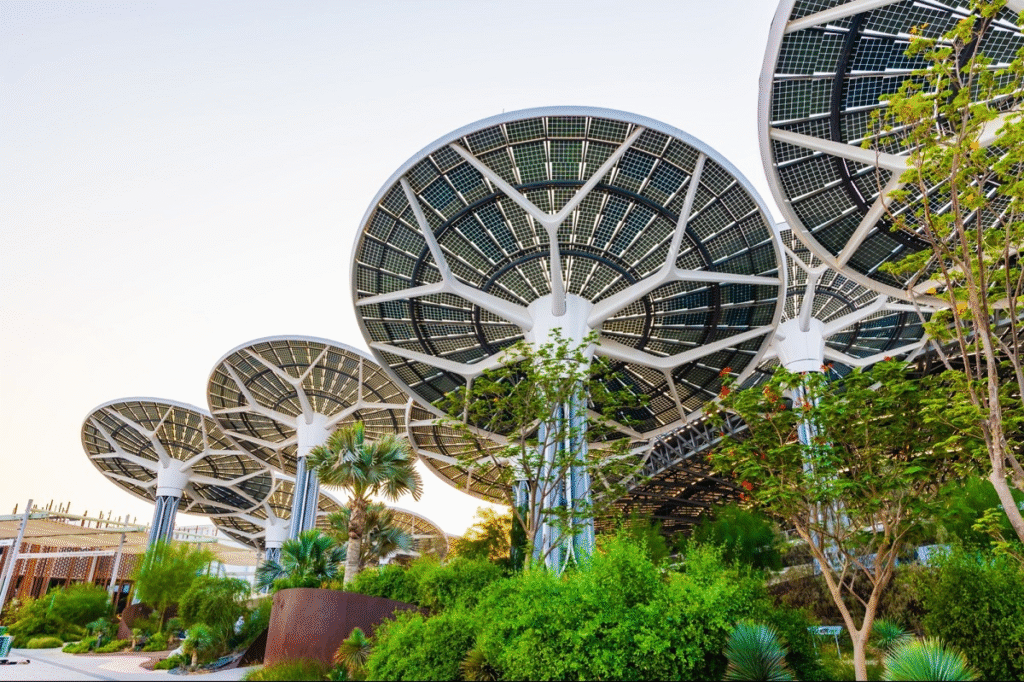
Sustainability and green buildings in Dubai’s residential market are characterized by several innovative features. These elements not only enhance the environmental performance of buildings but also improve the quality of life for residents.
Energy Efficiency
Energy-efficient technologies are at the heart of sustainable building design. Many residential developments in Dubai now utilize solar panels, LED lighting, and energy-efficient appliances to minimize energy consumption. These features not only reduce utility bills for residents but also contribute to a lower carbon footprint.
Water Conservation
Water scarcity is a significant challenge in arid regions like Dubai. Sustainable residential buildings incorporate advanced water-saving technologies, such as low-flow fixtures and smart irrigation systems. These measures help conserve water resources while ensuring lush green spaces within communities.
Sustainable Materials
The choice of materials used in construction plays a critical role in sustainability. Many developers in Dubai are opting for eco-friendly building materials, such as recycled steel, sustainably sourced wood, and non-toxic paints. These materials help reduce waste and improve indoor air quality.
Green Spaces
Creating green spaces within residential communities is essential for promoting well-being. Sustainable developments in Dubai are designed with parks, gardens, and landscaped areas that provide residents with a connection to nature. These spaces not only enhance aesthetics but also promote physical and mental health.
Sustainability and green buildings in Dubai’s residential market offer a multitude of benefits for residents. Living in these eco-friendly spaces fosters a sense of community while promoting a healthier lifestyle.
Improved Health and Well-Being
Green buildings prioritize natural ventilation, ample daylight, and non-toxic materials, all of which contribute to a healthier living environment. Residents often report feeling more energized and less stressed in spaces that incorporate nature and sustainable design principles.
Cost Savings
While the initial investment in sustainable features may be higher, the long-term savings can be substantial. Energy-efficient appliances and water-saving fixtures lead to lower utility bills, allowing residents to save money over time. Additionally, many green buildings qualify for incentives and rebates, further offsetting costs.
Increased Property Value
As sustainability becomes more important to homebuyers, properties that incorporate green building practices tend to have higher resale values. Investing in a sustainable home not only benefits the environment but also represents a sound financial decision.
Despite the many advantages, sustainability and green buildings in Dubai’s residential market face several challenges. Developers must navigate issues such as high upfront costs, limited access to sustainable materials, and the need for skilled labor trained in green building practices.
High Upfront Costs
The initial costs associated with sustainable construction can be a barrier for many developers. Incorporating green technologies often requires significant investment, which can deter some from pursuing sustainable projects. However, the long-term savings and benefits can ultimately outweigh these initial costs.
Limited Availability of Sustainable Materials
Access to eco-friendly building materials can be limited in certain regions. Developers in Dubai often face challenges sourcing sustainable options locally, which can increase costs and complicate project timelines. However, as demand for green buildings grows, it is likely that the supply of sustainable materials will improve.
Need for Skilled Labor
The shift towards sustainable construction requires a workforce skilled in green building practices. Training programs and educational initiatives are essential to ensure that workers are equipped with the knowledge and skills needed to implement sustainable technologies effectively.
The future of sustainability and green buildings in Dubai’s residential market looks promising. As technology continues to advance, we can expect to see even more innovative solutions that enhance sustainability.
Smart Home Technology
The integration of smart home technology in sustainable residences is on the rise. These systems allow residents to monitor and control energy usage, water consumption, and indoor climate through their smartphones. This not only promotes energy efficiency but also empowers residents to make informed decisions about their resource consumption.
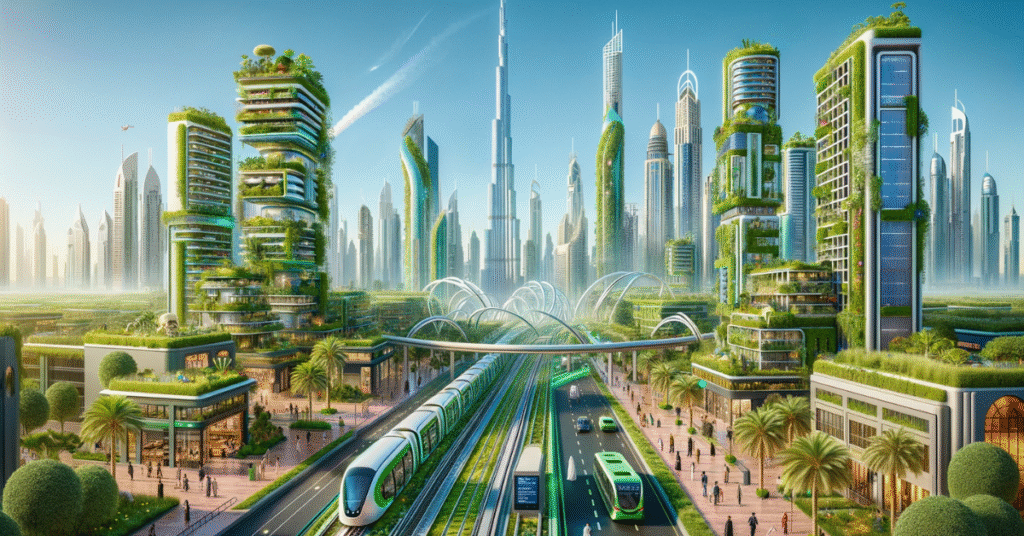
The importance of community engagement in sustainability efforts cannot be overstated. Developers are increasingly involving residents in the planning and design of green spaces, ensuring that these areas meet the needs and preferences of the community. This collaborative approach fosters a sense of ownership and pride among residents.
Regulatory Support
Dubai’s government continues to implement policies that support sustainable development. As regulations evolve, developers will be encouraged to adopt greener practices, which will further drive the growth of sustainable residential projects in the emirate.
Sustainability and green buildings in Dubai’s residential market are not just trends; they represent a fundamental shift towards more responsible living. The integration of eco-friendly technologies and practices is transforming the way we experience urban life. As the demand for sustainable homes grows, Dubai is well-positioned to lead the way in creating a greener, healthier future for its residents. By prioritizing sustainability, we can ensure that the beauty and vibrancy of this incredible city endure for generations to come.
Do Follow Estate Magazine on Instagram
Read More:- Dubai Real Estate Tech: Unlocking Startup Opportunities 2026