Investing in real estate is an exciting yet daunting venture, especially when it comes to choosing the right location. Among the plethora of options, Dubai stands out as a unique investment hub. But how does investing in Dubai compare to other global cities? This article delves into the intricacies of investing in Dubai versus cities like New York, London, and Singapore, highlighting the factors that make Dubai a compelling choice for investors.
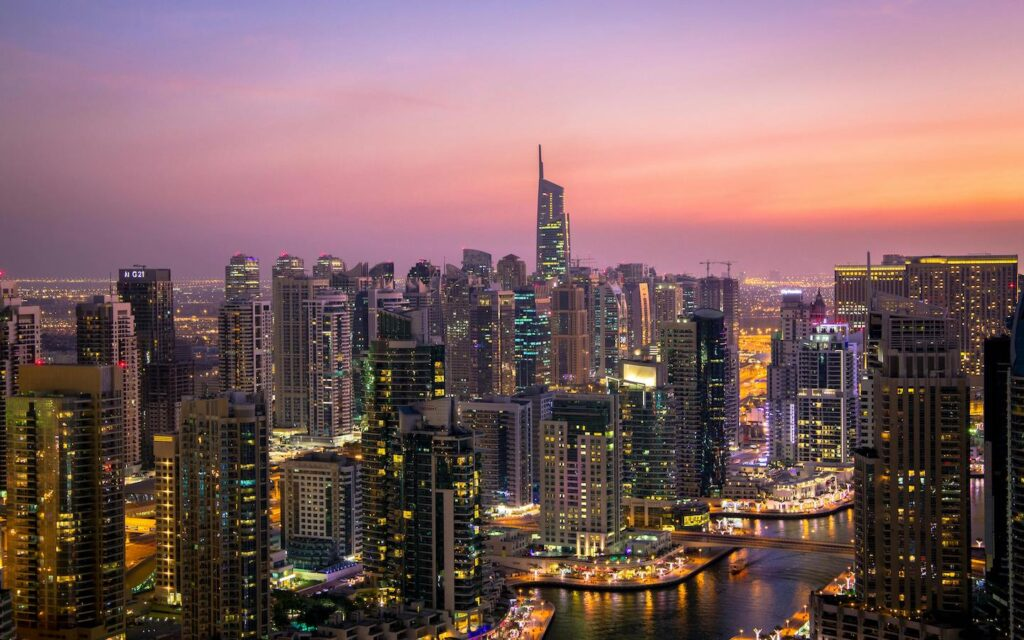
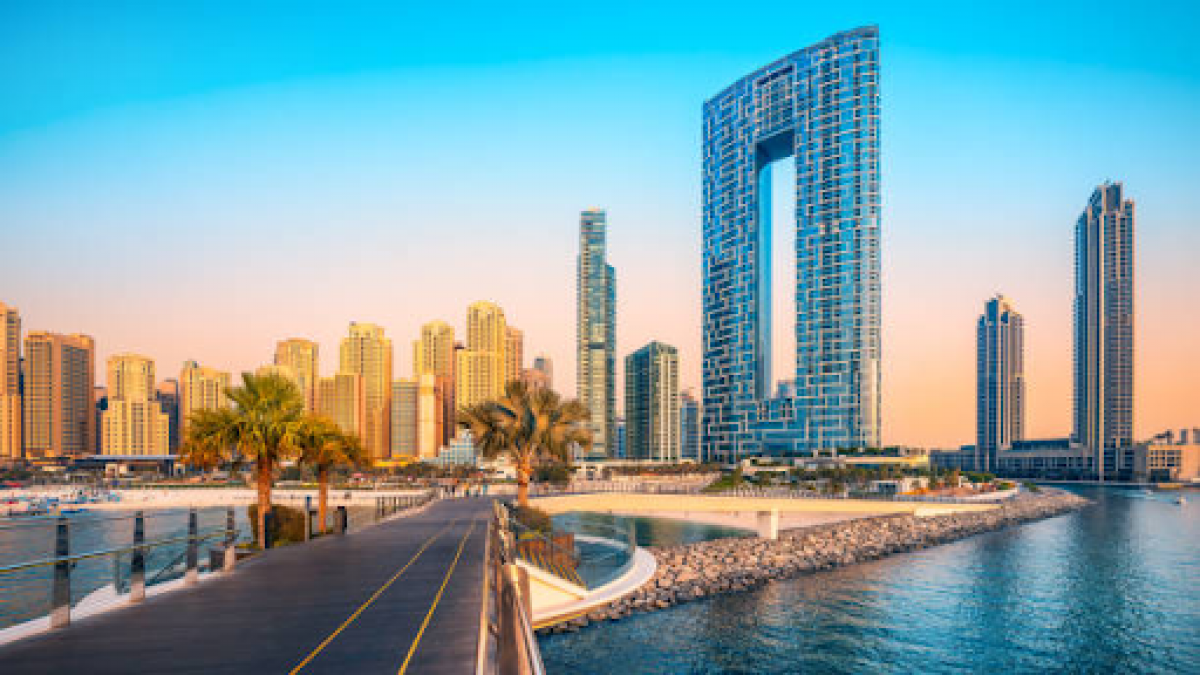
Dubai has emerged as a premier destination for global investors due to its strategic location, tax incentives, and booming economy. The city offers a blend of modern architecture, luxury living, and a vibrant lifestyle that attracts individuals from all over the world. Moreover, the UAE government has introduced several initiatives aimed at boosting foreign investments, making it easier for investors to own property.
Investors are particularly drawn to Dubai’s real estate market for its high return on investment (ROI) potential. The demand for rental properties continues to rise, driven by an influx of expatriates and tourists. This dynamic environment creates opportunities that are hard to ignore.

New York City has long been considered one of the most lucrative real estate markets globally, but how does it stack up against Dubai?
While New York offers a stable market with a rich history, it also comes with high entry costs and regulatory hurdles. The average price per square foot in Manhattan can be staggering, making it less accessible for first-time investors. On the other hand, Dubai’s real estate market offers a diverse range of properties, from affordable apartments to luxury villas, catering to various budgets.
Additionally, Dubai’s lack of property taxes and relatively low service charges enhance its appeal. Investors in New York often face high taxes, which can significantly cut into their profits.
When comparing lifestyle offerings, London and Dubai present distinct advantages. London is known for its rich cultural history, world-class education, and vibrant arts scene. However, it is also notorious for its high living costs and lengthy property acquisition processes.
Dubai, in contrast, offers a luxurious lifestyle with year-round sunshine, stunning beaches, and a plethora of entertainment options. The city is a melting pot of cultures, which fosters a cosmopolitan atmosphere that many find appealing.
Moreover, Dubai’s safety and family-friendly environment make it particularly attractive for long-term residents. The ease of doing business in Dubai compared to London, which has been facing economic uncertainties, further enhances its investment allure.
Singapore has positioned itself as a global financial hub, attracting investors with its low tax rates and business-friendly policies. However, Dubai offers similar tax benefits that can be more enticing for real estate investors.
In Dubai, there are no capital gains taxes on property sales, which is a significant advantage for investors looking to maximize their profits. In contrast, Singapore does impose taxes on capital gains, which can deter some investors.
Additionally, Dubai’s freehold property ownership allows foreigners to buy property outright, whereas in Singapore, there are restrictions on foreign ownership that can complicate the investment process.
When assessing future growth potential, Dubai has a unique advantage. The city has been investing heavily in infrastructure, tourism, and technology, preparing itself for the World Expo and beyond. This focus on development is expected to drive property values upward.
In comparison, other global cities like New York and London face challenges such as economic fluctuations and regulatory changes that may impact their real estate markets. While these cities have established reputations, Dubai’s aggressive growth strategy presents a promising landscape for investors seeking long-term gains.

Like any investment, there are risks associated with investing in Dubai. The real estate market can be volatile, influenced by global economic conditions and local regulations. Investors must conduct thorough research and possibly seek expert advice to navigate these waters effectively.
Additionally, while Dubai offers numerous incentives, the market can be competitive, particularly in prime locations. Potential investors should be prepared for the complexities of the buying process, which may require patience and diligence.
In summary, investing in Dubai offers numerous advantages compared to other global cities. Its tax benefits, diverse real estate options, and promising growth potential make it an attractive choice for investors. While it’s essential to consider the risks involved, Dubai remains a compelling market for those seeking to diversify their portfolios and tap into an emerging economy.
As you weigh your options, consider what you value most in an investment—whether it’s lifestyle, potential returns, or ease of acquisition. Ultimately, the decision to invest in Dubai or other global cities will depend on your personal goals and circumstances.
Do Follow Estate Magazine on Instagram
Read More:- Dubai Property Investment: 7 Powerful Best Practices for First-Time Investors