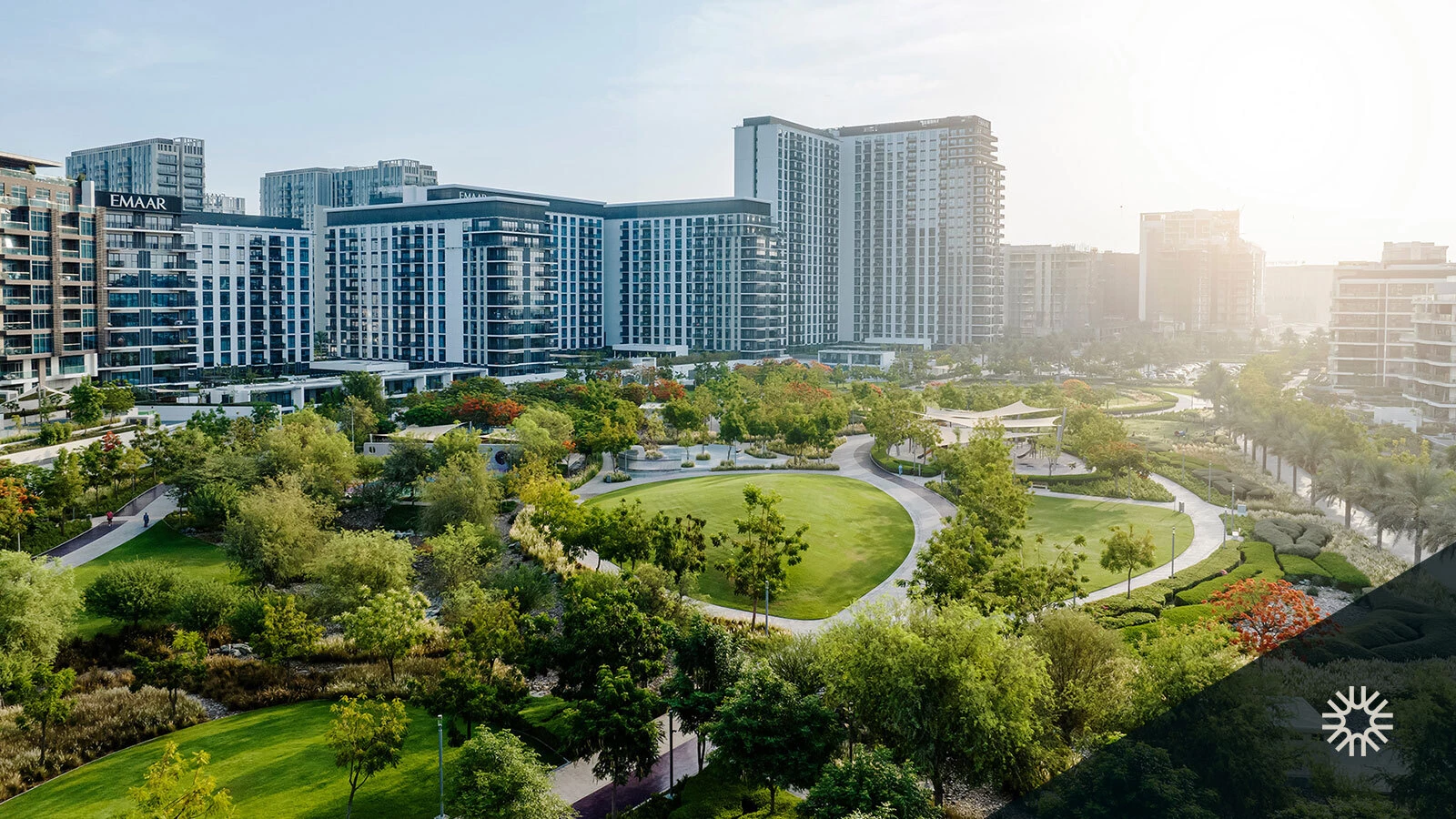
In recent years, the UAE has emerged as a beacon of innovation in sustainable developments, particularly in the real estate sector. As the country strives to balance rapid urbanization with environmental responsibility, sustainable developments are no longer just a trend; they are a necessity. The UAE is transforming its real estate landscape, making strides toward greener practices that enhance the quality of life for its residents while safeguarding the environment.
The journey towards sustainability in the UAE real estate market is not merely about adhering to global standards. It encompasses a holistic approach that integrates cutting-edge technology, renewable energy solutions, and community-focused living. This article delves into the various aspects of sustainable developments transforming UAE real estate and the innovative projects setting a new standard for the region.
As one of the fastest-growing economies in the world, the UAE faces unique challenges regarding sustainability. Rapid population growth and urbanization have led to increased demand for housing, which puts pressure on natural resources. In response, the government and private sector are prioritizing sustainable developments to address these challenges effectively.
Sustainable developments in the UAE aim to minimize the ecological footprint while maximizing the efficiency of energy use. This approach not only benefits the environment but also results in long-term economic advantages for stakeholders involved in real estate.
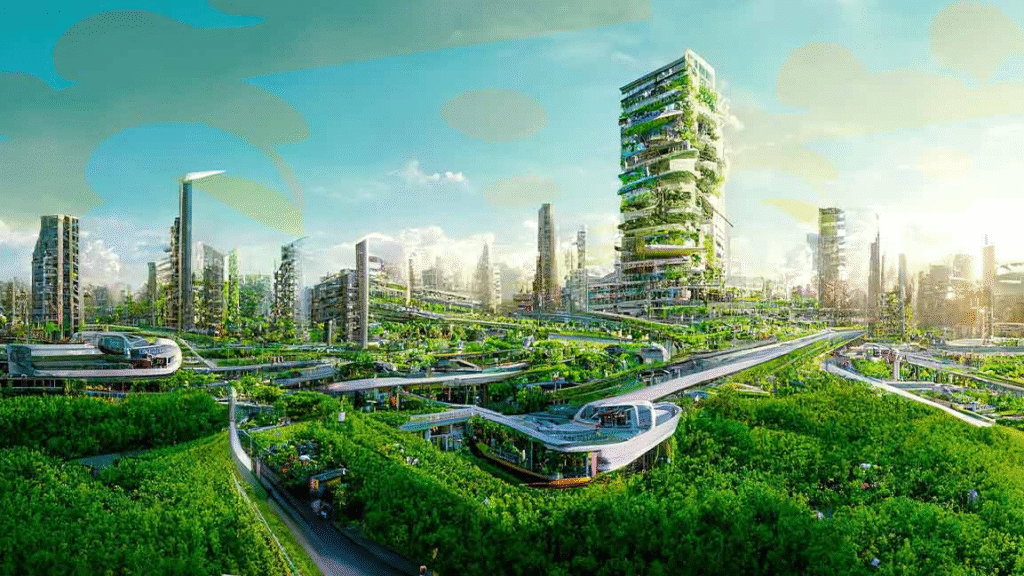
Technological advancements play a crucial role in sustainable developments within the UAE real estate sector. From smart home technologies to energy-efficient building materials, innovation is at the forefront of transforming how properties are designed and constructed.
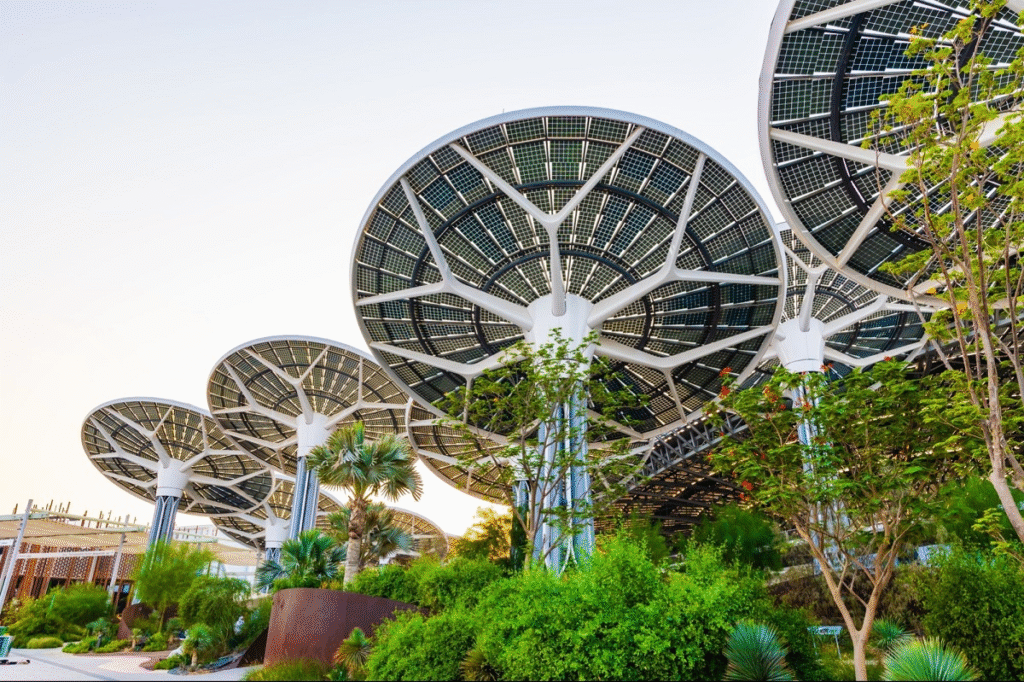
Smart technologies, such as automated systems for energy management, enhance the efficiency of residential and commercial buildings. These systems optimize energy use, reducing waste and lowering costs for consumers. Furthermore, the integration of renewable energy sources like solar panels is becoming commonplace, allowing buildings to generate their own power and lessen reliance on traditional energy sources.
The shift towards sustainability also involves using eco-friendly materials in construction. Developers are increasingly choosing materials that are not only durable and cost-effective but also environmentally friendly. This includes recycled materials, sustainable wood, and low-impact concrete.
These materials contribute to reducing the carbon footprint of buildings and improve indoor air quality, which is vital for the health and well-being of residents. As more architects and builders embrace sustainable practices, the architectural landscape of the UAE is evolving, creating aesthetically pleasing structures that reflect a commitment to environmental stewardship.
In the UAE, various green building certifications and standards have been established to promote sustainable developments in real estate. The Estidama Pearl Rating System and LEED (Leadership in Energy and Environmental Design) are two prominent frameworks guiding developers towards greener building practices.
These certifications assess buildings based on their environmental impact, energy efficiency, and overall sustainability. By adhering to these standards, developers not only enhance the value of their properties but also attract environmentally conscious buyers who prioritize sustainability in their purchasing decisions.
Sustainable developments are increasingly focusing on community-centric designs that promote collaboration, accessibility, and well-being. These developments prioritize communal spaces, parks, and amenities that encourage social interaction and healthy lifestyles.
Incorporating features like pedestrian-friendly pathways, cycling tracks, and green spaces into residential areas fosters a sense of community while reducing the reliance on cars. This not only benefits the environment but also enhances the quality of life for residents, making neighborhoods more livable and enjoyable.
Several notable projects in the UAE serve as prime examples of how sustainable developments are transforming the real estate sector. These initiatives showcase innovative design, eco-friendly technologies, and community engagement.
One such project is Masdar City in Abu Dhabi, an ambitious sustainable urban development aiming to be a model for future cities. With its focus on renewable energy and sustainable transportation, Masdar City exemplifies the potential of integrating sustainability into urban living.
Another remarkable initiative is the Dubai Sustainable City, which combines residential spaces with green technologies and community-driven solutions. This project not only emphasizes energy efficiency but also encourages residents to engage in sustainable practices, such as urban farming and waste recycling.
The UAE government plays a pivotal role in fostering sustainable developments in the real estate sector. Through various initiatives and regulations, the government encourages developers to adopt sustainable practices and invest in green technologies.
Policies such as the UAE Vision 2021 and the Dubai Clean Energy Strategy 2050 outline the country’s commitment to sustainability and environmental conservation. These frameworks create a conducive environment for innovation and investment in sustainable real estate projects, ultimately driving the transformation of the sector.
While the push towards sustainable developments in UAE real estate is promising, it is not without its challenges. Developers may face higher initial costs associated with green building technologies and materials. However, the long-term benefits, including reduced operational costs and increased property values, often outweigh these initial investments.
Furthermore, as awareness of sustainability grows among consumers, the demand for green buildings is expected to rise. This presents an opportunity for developers to differentiate themselves in a competitive market by embracing sustainability as a core value.
The sustainable developments transforming UAE real estate are paving the way for a greener, more responsible future. As the country continues to invest in innovative technologies, eco-friendly materials, and community-centric designs, the real estate landscape will evolve to prioritize sustainability.
By embracing these changes, both developers and consumers play a vital role in fostering a more sustainable environment. The journey towards sustainability in UAE real estate is not just about meeting standards; it is about creating a legacy for future generations. As we look ahead, the commitment to sustainable developments will undoubtedly shape the future of the UAE, elevating it as a global leader in environmentally conscious living.
Do Follow Estate Magazine on Instagram
Read More:- UAE Property Market Trends: Key Insights for Investors 2026