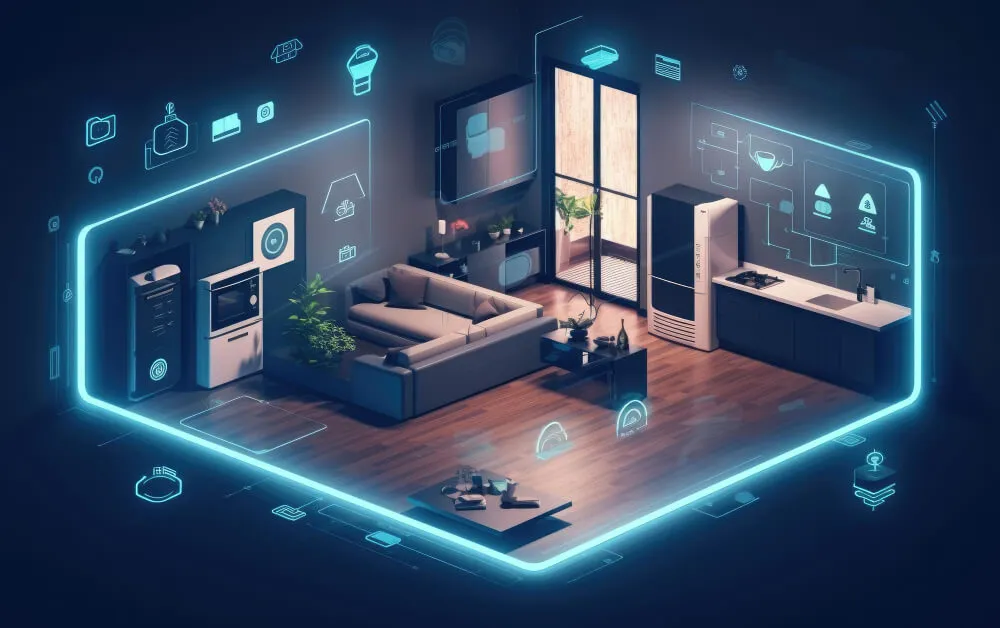
In recent years, smart home technologies have revolutionized the way we think about real estate. As buyers become increasingly tech-savvy, the expectations surrounding home features and functionalities are evolving. Today’s homebuyers are not just looking for square footage or the number of bedrooms; they want integrated systems that enhance their lifestyle and provide convenience, security, and efficiency. This shift is fundamentally shaping future real estate purchases and influencing market trends.
Smart home technologies encompass a wide range of devices designed to improve the comfort and efficiency of residential living. From smart thermostats that learn your preferences to advanced security systems that can be controlled remotely, these technologies are becoming essential in modern homes. The integration of the Internet of Things (IoT) means that various devices can communicate with one another, creating a seamless living experience.
As buyers prioritize convenience and sustainability, homes equipped with smart technologies are increasingly attractive in the real estate market. This trend is expected to continue as more innovations emerge, making these technologies more accessible and affordable.
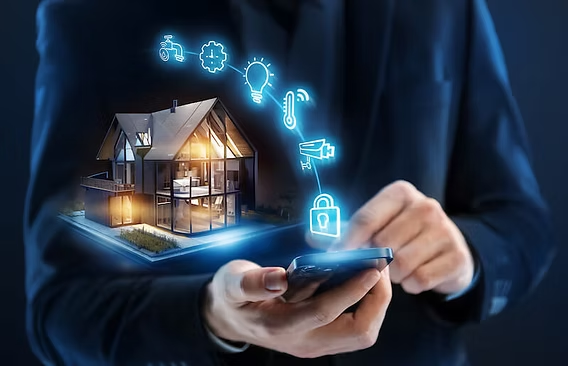
When it comes to real estate purchases, the presence of smart home technology can significantly sway buyer decisions. Here are some key factors that illustrate this impact:
Enhanced Security
One of the foremost concerns for any homeowner is security. Smart home technologies such as video doorbells, security cameras, and smart locks provide peace of mind. Buyers are drawn to properties that offer these features, as they enhance safety and can be monitored remotely.
Energy Efficiency
Energy-efficient homes are not just beneficial for the environment; they also save homeowners money. Smart thermostats, lighting systems, and energy monitoring devices allow users to manage their energy consumption effectively. As more people become environmentally conscious, homes that showcase these technologies are likely to attract a more extensive pool of buyers.
Convenience and Control
Smart home devices enable homeowners to control various aspects of their living space with ease. From adjusting the thermostat to turning on the lights, these features simplify daily tasks. The convenience factor is a significant selling point for prospective buyers who value time-saving technologies.
Increased Home Value
Properties equipped with smart home technologies often see an increase in their overall market value. As demand for such homes rises, sellers can command higher prices. Buyers recognize that investing in a home with these features is a step towards a more modern and efficient lifestyle, making them more willing to pay a premium.
Several smart home technologies are shaping the future of real estate purchases, transforming what buyers expect from their homes. Some of the most popular include:
Smart Thermostats
Smart thermostats, like the Nest or Ecobee, learn homeowners’ habits and adjust heating and cooling accordingly. This feature not only enhances comfort but also leads to significant energy savings, making homes more appealing.
Smart Lighting
Smart lighting systems allow homeowners to control their lights remotely, set schedules, and even adjust the ambiance with smart bulbs. This level of customization appeals to buyers looking for a modern and flexible living environment.
Home Automation Systems
Centralized home automation systems enable homeowners to control various devices, including security, lighting, and climate, from a single interface. The simplicity and connectivity of these systems resonate with tech-savvy buyers.
Smart Appliances
From refrigerators that can track inventory to ovens that can be preheated remotely, smart appliances are transforming kitchens. Buyers appreciate the convenience and innovation these appliances bring to daily living.
As the demand for smart homes grows, real estate marketing strategies are adapting to highlight these technologies. Agents and developers are increasingly showcasing smart features in listings, recognizing that they can significantly enhance a property’s appeal.
Virtual tours and online listings now often include demonstrations of smart home functionalities. By providing potential buyers with a clear understanding of how these technologies work, sellers can differentiate their properties from the competition.
Additionally, educational content around smart home technologies is gaining traction. Buyers may not fully understand the capabilities of these devices, so offering insights into their benefits can help facilitate a more informed purchasing decision.
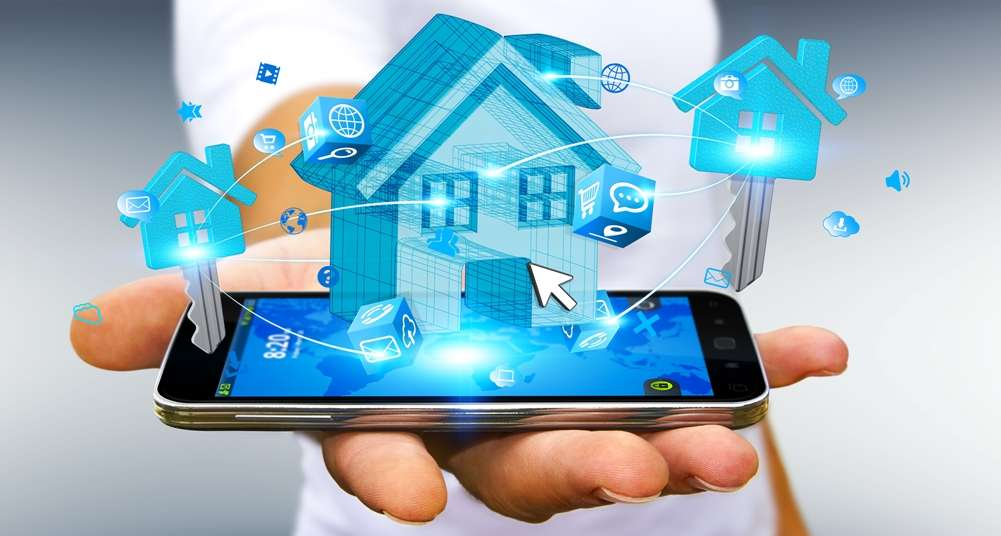
Looking ahead, the integration of smart home technologies is set to become even more pronounced. As advancements continue, we can expect to see more sophisticated systems that enhance the overall living experience. Features like AI-driven home assistants, advanced security protocols, and energy management solutions will likely become commonplace in new developments.
As the real estate market evolves, it will be essential for both buyers and sellers to adapt to these changes. Buyers should consider how smart home technologies can add value to their purchase, while sellers should be proactive in promoting these features to attract interested buyers.
Smart home technologies are undeniably shaping future real estate purchases. As buyers prioritize security, energy efficiency, and convenience, homes equipped with these innovations are becoming increasingly desirable. The evolving landscape of real estate is not just about traditional features; it’s about creating a lifestyle that aligns with modern expectations.
For anyone looking to buy or sell a home in the coming years, understanding the role of smart home technologies will be crucial. As we embrace this smart home revolution, we can expect that future real estate transactions will reflect a harmonious blend of technology and living.
Do Follow Estate Magazine on Instagram
Read More:- Wellness Communities: Key Differences from Traditional Gated Communities 2026