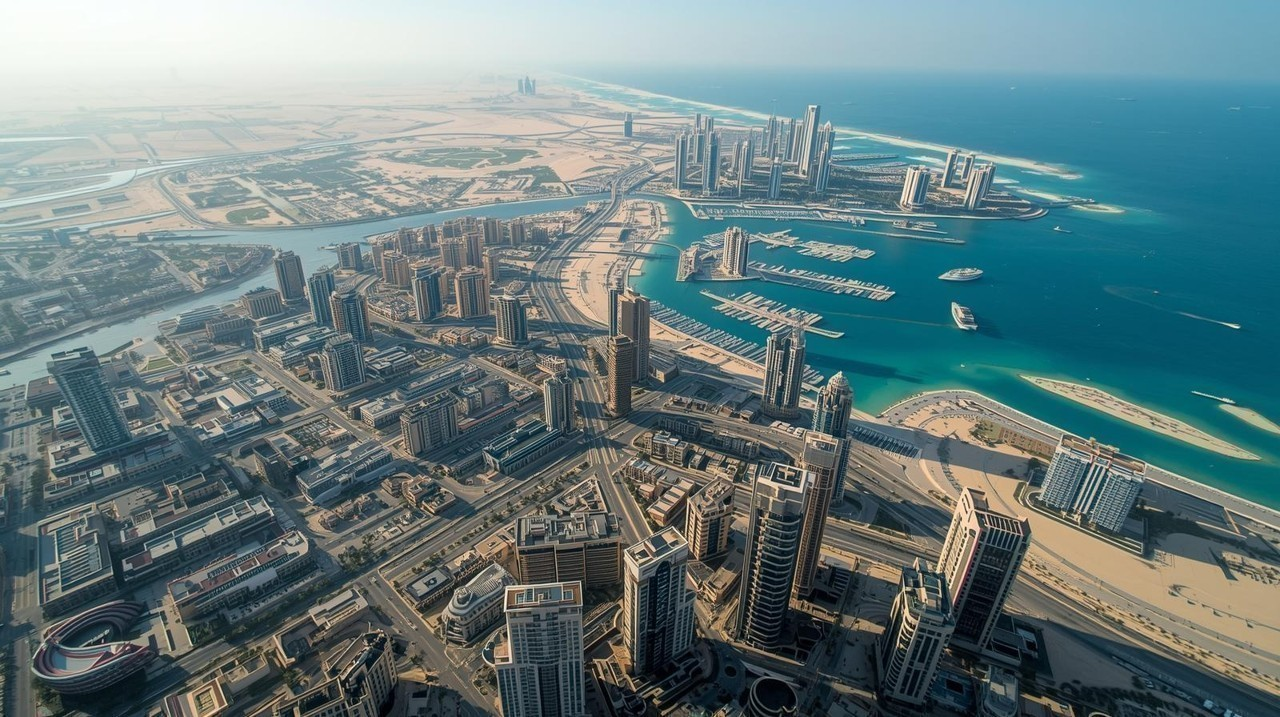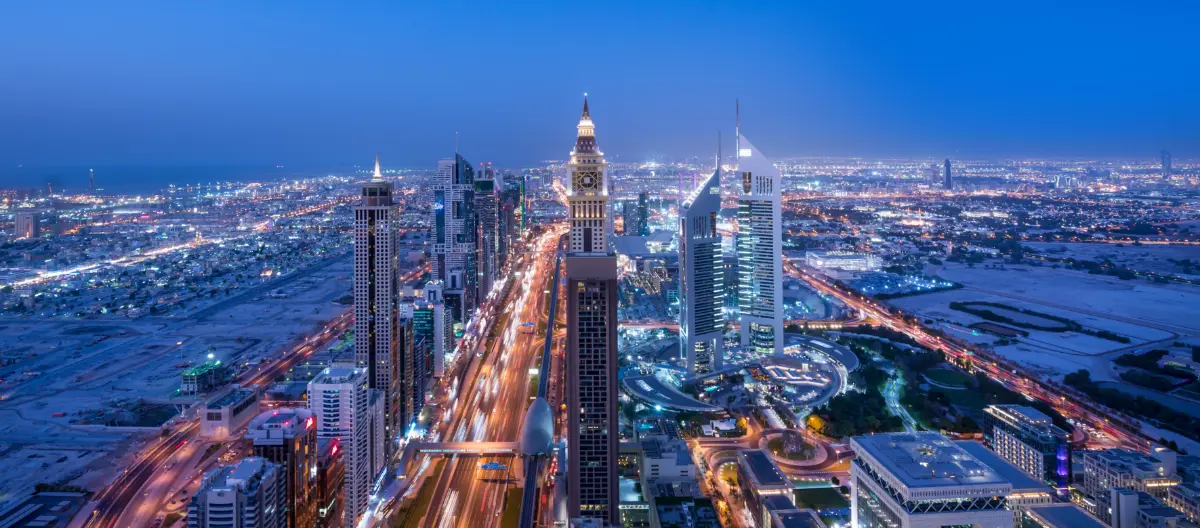
The real estate market in Dubai has been undergoing transformative changes, with innovations shaping the way investors engage with properties. Among these, real estate tokenization and fractional ownership are leading the charge, redefining accessibility and investment strategies. As Dubai continues to position itself as a global hub for finance and technology, understanding these trends is vital for both seasoned investors and newcomers alike.
Real estate tokenization is a groundbreaking concept that involves converting the value of a property into digital tokens using blockchain technology. Each token represents a share of ownership in the property, allowing multiple investors to purchase a fraction of the asset. This innovation not only enhances liquidity but also democratizes real estate investment, enabling individuals to invest with smaller amounts of capital.
In Dubai, where luxury properties often come with hefty price tags, tokenization offers a gateway for investors who may not have the financial clout to purchase entire properties. By breaking down barriers to entry, real estate tokenization opens up a world of opportunities for diverse investors.
Fractional ownership is closely linked to tokenization, as it allows multiple investors to share ownership of a single property. Unlike traditional real estate investment where one buyer assumes full ownership, fractional ownership distributes the financial burden among several stakeholders. This model is particularly appealing in Dubai’s dynamic real estate market, where high-value properties can be costly.
The appeal of fractional ownership lies in its flexibility. Investors can acquire shares in multiple properties, thus diversifying their portfolios without the need for substantial capital. Moreover, fractional ownership often comes with management services, taking the hassle out of property maintenance and tenant management.
Embracing tokenization and fractional ownership presents several advantages for investors in Dubai:
Enhanced Liquidity: Tokenization allows for easier buying and selling of property shares on digital platforms, creating a more liquid market.
Lower Entry Barriers: Investors can enter the market with smaller amounts of capital, making real estate accessible to a broader audience.
Transparency and Security: Blockchain technology provides a transparent and secure method for recording transactions, reducing fraud and ensuring trust among investors.
Diversification: Investors can hold fractional shares in various properties, mitigating risk and maximizing potential returns.
The adoption of real estate tokenization and fractional ownership is gaining momentum in Dubai, driven by several key trends:
Technological Integration: The Dubai government is actively promoting blockchain technology as part of its vision to become a Smart City. This initiative fosters an environment where real estate tokenization can thrive.
Regulatory Support: Authorities in Dubai are increasingly creating frameworks that support tokenization and fractional ownership, ensuring compliance and investor protection.
Growing Interest from International Investors: Dubai’s global appeal attracts investors from around the world. The ability to invest in properties through tokenization expands the market, allowing foreign investors to participate more easily.
Sustainability Focus: Recent trends show a rising interest in sustainable properties. Tokenization can facilitate investment in eco-friendly developments, aligning with the global shift towards sustainability.
While the prospects are promising, there are challenges that come with real estate tokenization and fractional ownership:
Regulatory Uncertainty: Despite supportive regulations, the legal landscape around tokenization is still evolving, which may create uncertainties for investors.
Market Education: Many potential investors remain unaware of the benefits and mechanics of tokenization. More educational resources are needed to bridge this knowledge gap.
Technology Adoption: Not all investors are comfortable with blockchain technology. Encouraging adoption will be crucial for the success of these models.
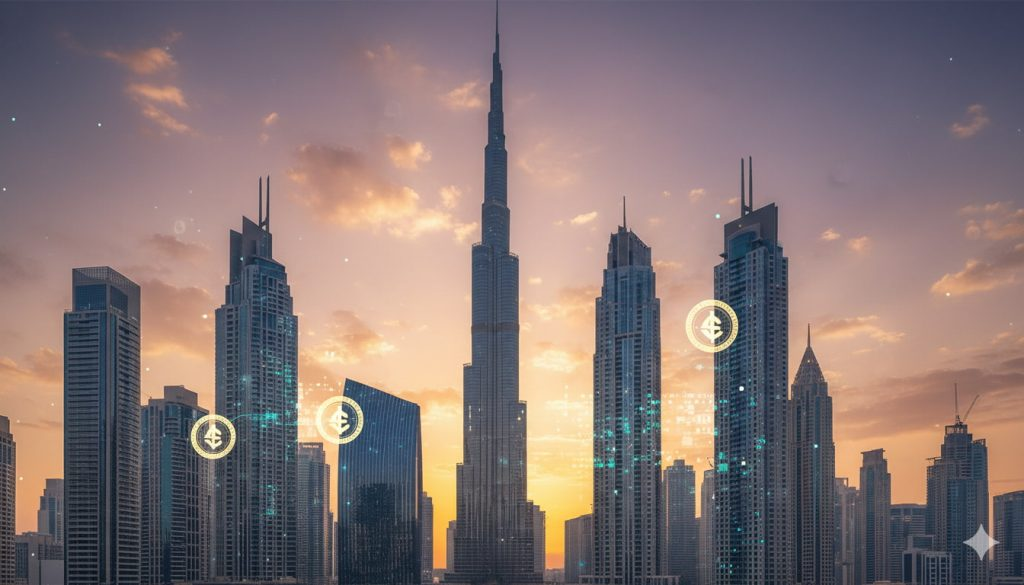
As the real estate landscape in Dubai continues to evolve, the trends of tokenization and fractional ownership are likely to play a significant role in shaping the market. With advancements in technology and increasing regulatory support, the future looks bright for innovative investment models.
Investors can expect to see more platforms emerging that facilitate real estate tokenization, making it easier to invest in a variety of properties. Moreover, as awareness grows and technology becomes more user-friendly, the pool of potential investors will expand, leading to a more vibrant and diverse real estate market.
Real estate tokenization and fractional ownership are not just trends; they represent a fundamental shift in how people can invest in property. As Dubai embraces these innovative concepts, the implications for both local and international investors are profound. The opportunity to participate in high-value real estate markets is now more accessible than ever, thanks to tokenization and fractional ownership.
In this rapidly evolving landscape, staying informed and adaptable is key. Whether you’re a seasoned investor or just starting, understanding these trends can empower you to make informed decisions that align with your investment goals.
Do Follow Estate Magazine on Instagram
Read More:- Top Real Estate Hotspots Across UAE Emirates for 2026