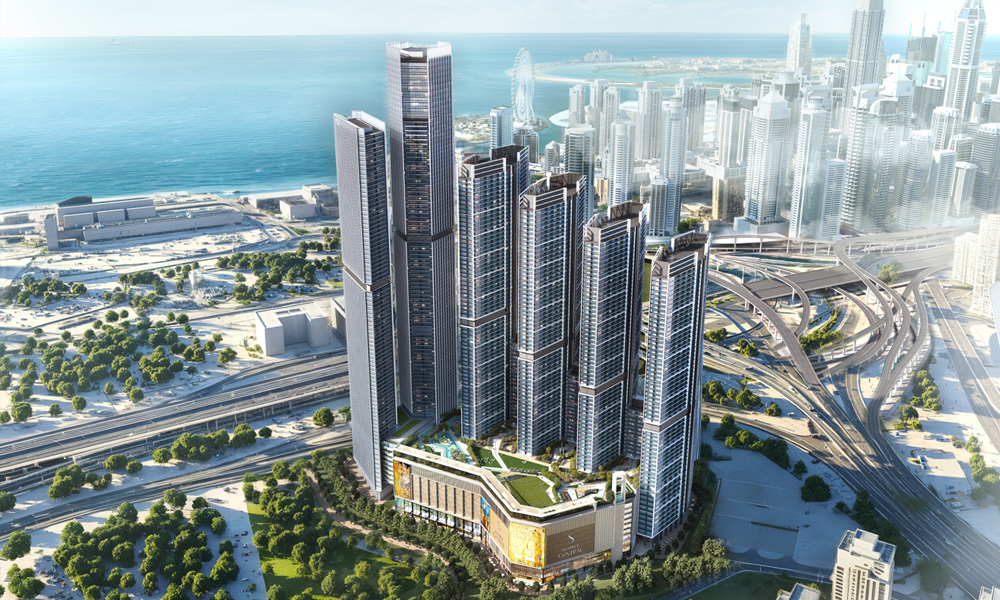
The hospitality industry is evolving, and the integration of Grade-A hotels into masterplans is setting the stage for a new era in luxury accommodation. As urban landscapes transform, these hotels not only enhance the skyline but also redefine the guest experience. This article explores how masterplans are integrating Grade-A hotels and what that means for travelers and city dwellers alike.
Grade-A hotels are synonymous with high standards of quality, service, and luxury. They often boast prime locations, exquisite design, and an array of top-notch amenities. These hotels cater to both business and leisure travelers, offering an experience that is both comfortable and indulgent.
The significance of integrating Grade-A hotels into masterplans lies in their ability to elevate urban environments. These hotels serve as catalysts for economic growth, attracting tourists and business travelers alike. They also contribute to a city’s identity, becoming landmarks that embody luxury and sophistication.
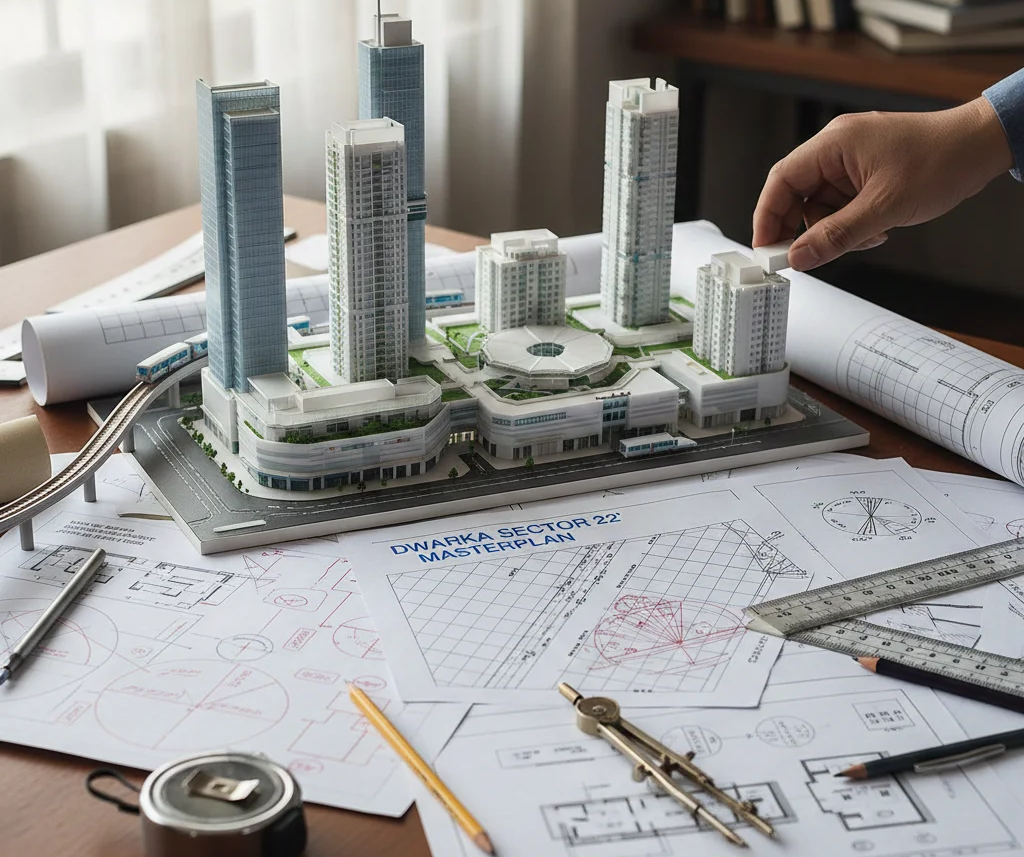
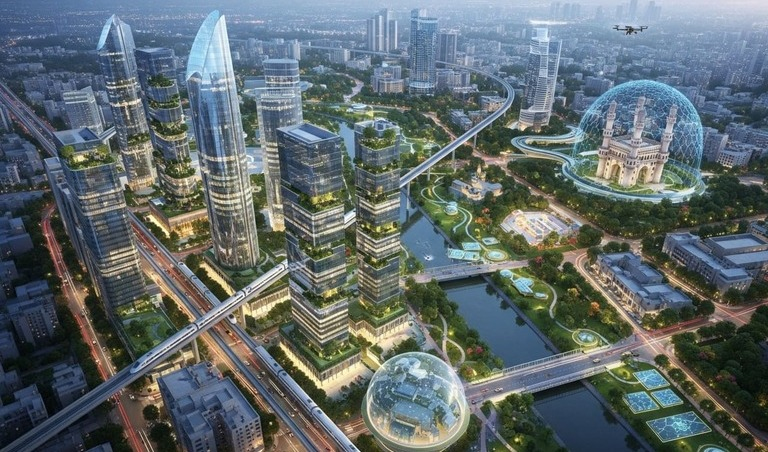
Masterplans are comprehensive blueprints that guide the development of urban areas. They encompass land use, infrastructure, and community needs, ensuring a harmonious balance between residential, commercial, and recreational spaces. By integrating Grade-A hotels into these plans, city developers can create vibrant ecosystems that enhance the overall livability of urban areas.
One of the key benefits of incorporating Grade-A hotels into masterplans is the potential for increased foot traffic. These hotels draw visitors who not only contribute to the local economy but also support surrounding businesses. Restaurants, shops, and attractions thrive in proximity to high-end accommodations, creating a symbiotic relationship that benefits all parties involved.
When we think of Grade-A hotels, luxury is often at the forefront. These establishments offer a range of amenities designed to elevate the guest experience. From world-class dining to state-of-the-art fitness centers, the focus is on providing unparalleled comfort and convenience.
In a masterplan that integrates Grade-A hotels, the emphasis on luxury extends beyond the hotel itself. Developers often design surrounding areas to complement the hotel experience. This might include landscaped gardens, art installations, and outdoor dining spaces that encourage social interactions. The result is a cohesive environment where guests can immerse themselves in the local culture while enjoying the comforts of high-end accommodation.
As the world becomes increasingly aware of environmental issues, sustainability has emerged as a crucial element in the integration of Grade-A hotels within masterplans. Developers are now prioritizing eco-friendly practices, from using sustainable materials in construction to implementing energy-efficient technologies.
Grade-A hotels are often designed with sustainability in mind. Many incorporate green roofs, solar panels, and water-saving systems, reducing their ecological footprint. When masterplans include these hotels, they represent a commitment to creating a more sustainable urban landscape. This not only appeals to environmentally conscious travelers but also sets a precedent for future developments.
The integration of Grade-A hotels into masterplans can have a profound impact on local communities. These hotels create job opportunities, from hospitality roles to construction jobs during the development phase. Furthermore, as hotels attract visitors, local businesses benefit from increased patronage.
Community engagement is essential in the planning process. Developers often seek input from local residents to ensure that the hotel complements the character of the neighborhood. This collaborative approach fosters a sense of ownership and pride among community members, enhancing the hotel’s integration into the fabric of the city.
Several cities around the world have successfully integrated Grade-A hotels into their masterplans, showcasing the potential for positive change. In cities like Singapore and Dubai, these hotels have become symbols of luxury and innovation.
In Singapore, Marina Bay Sands stands out as an architectural marvel that integrates seamlessly with its surroundings. The hotel offers not just luxurious accommodations but also a vibrant public space that attracts both tourists and locals. This integration enhances the overall urban experience, making it a model for future developments.
Similarly, in Dubai, the Burj Al Arab has become an iconic symbol of luxury. Its inclusion in the masterplan of the Jumeirah Beach area has transformed the landscape, creating a destination that exemplifies opulence. These examples illustrate how Grade-A hotels can serve as focal points in urban design, enhancing both the aesthetics and functionality of city spaces.
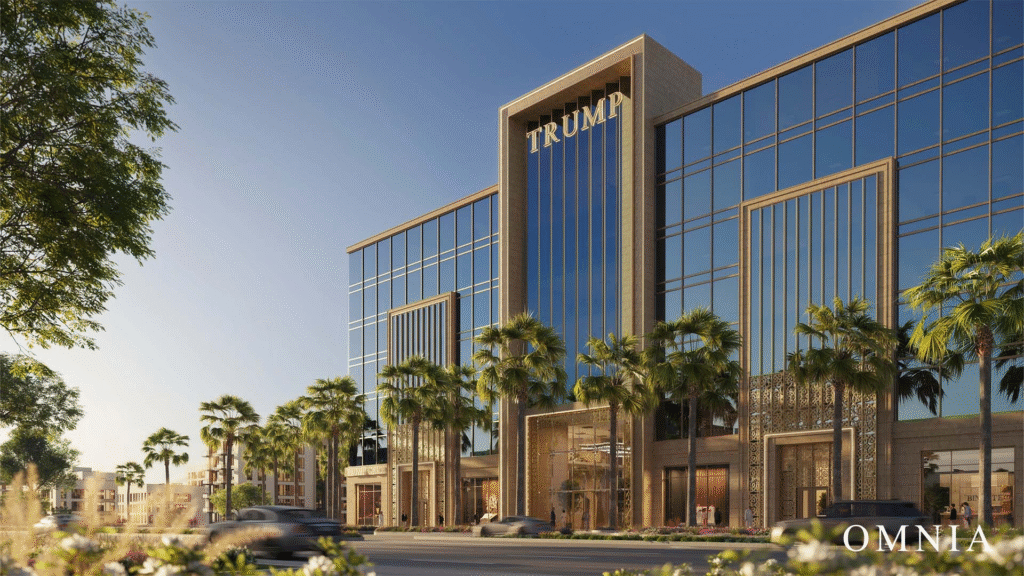
As we look to the future, the trends in hotel masterplanning are likely to evolve in response to changing consumer preferences and technological advancements. The rise of remote work has shifted the way people travel, with many seeking longer stays in luxurious accommodations.
In response, Grade-A hotels are adapting their offerings to include extended stay options and more personalized services. This flexibility allows hotels to cater to a diverse array of guests, from business travelers to families looking for a home away from home.
Additionally, technology will play a significant role in shaping the future of Grade-A hotels. Smart technology is becoming increasingly prevalent, providing guests with seamless experiences from check-in to checkout. As masterplans integrate these advancements, the hospitality industry will continue to innovate, setting new standards for luxury.
The integration of Grade-A hotels into masterplans represents a forward-thinking approach to urban development. By prioritizing luxury, sustainability, and community engagement, these hotels enhance the urban landscape while driving economic growth. As cities continue to evolve, the role of Grade-A hotels will be pivotal in shaping the future of hospitality.
The commitment to creating spaces that foster connections, provide luxury, and embrace sustainability will ensure that these hotels remain at the forefront of the travel experience. As we move forward, the vision of masterplans integrating Grade-A hotels will be a beacon of innovation and luxury in urban environments.
Do Follow Estate Magazine on Instagram
Read More:- Masterplan Integrates Grade-A F&B: 7 Powerful Benefits Driving Premium Growth