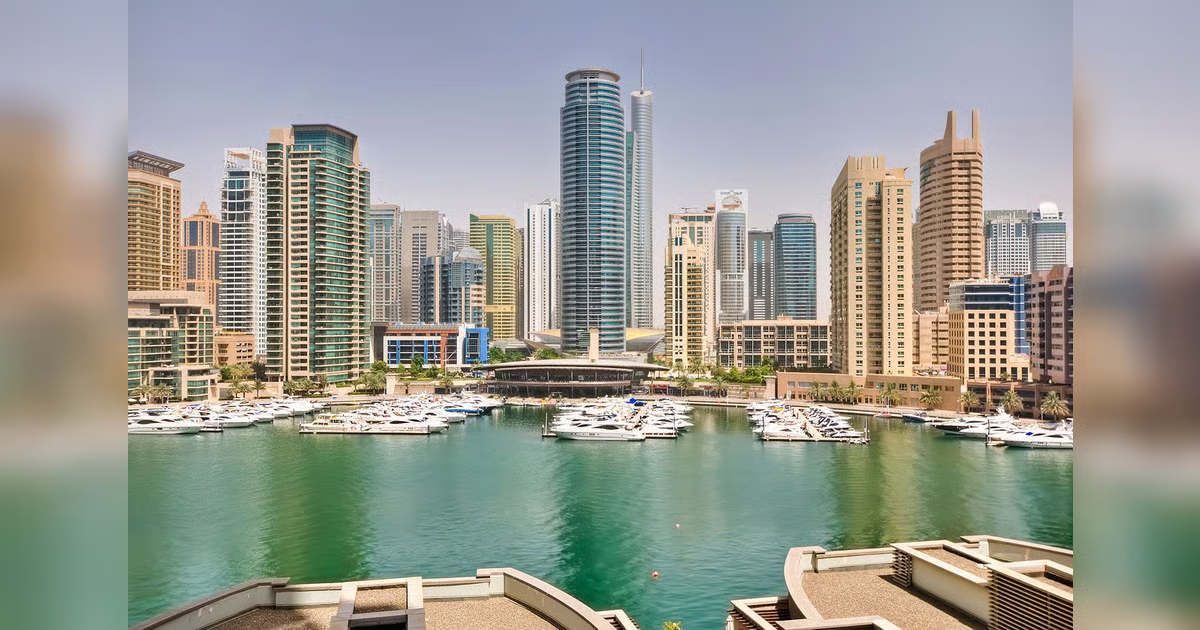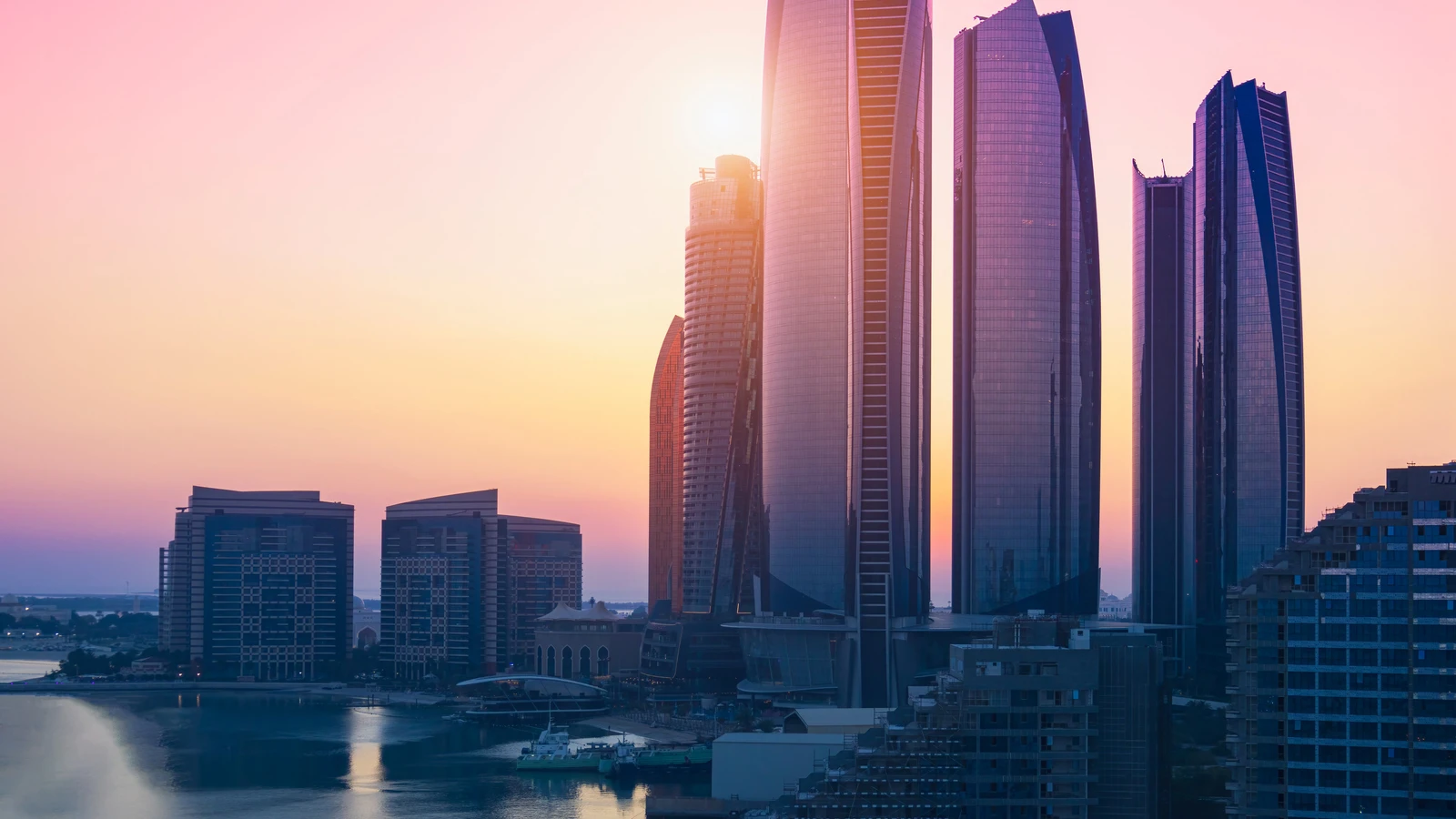
The Gulf region has long been a focal point for real estate investment, drawing attention from both local and international investors. Understanding the key real estate market trends in the Gulf region is essential for anyone looking to navigate this dynamic landscape. The interplay of economic growth, demographic shifts, and infrastructural developments continues to shape the market, making it a vibrant area for potential investment opportunities.
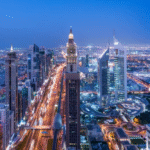
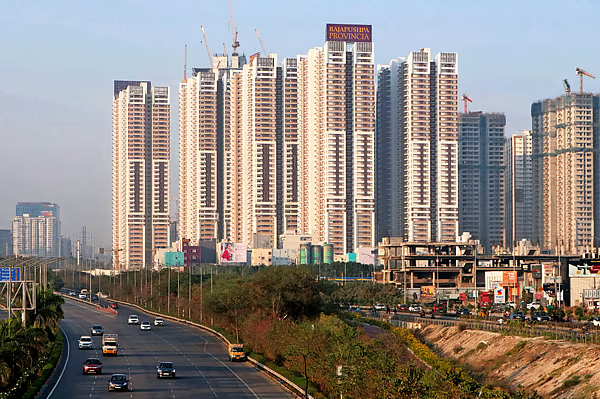
One of the most significant trends impacting the real estate market in the Gulf region is the rapid surge in population and urbanization. Major cities like Dubai, Abu Dhabi, and Riyadh are experiencing an influx of both expatriates and locals seeking better job opportunities and improved living standards. This demographic shift is driving demand for residential units, commercial spaces, and mixed-use developments.
As urbanization accelerates, the demand for modern housing solutions is on the rise. Developers are increasingly focusing on building smart homes and sustainable living environments that appeal to a tech-savvy population. This shift not only caters to the desires of a growing populace but also aligns with global sustainability trends.

The commercial real estate sector in the Gulf region is witnessing substantial growth. With the rise of e-commerce and a shift towards remote working arrangements, there is a growing need for flexible office spaces and logistics centers. Cities like Dubai are adapting to these changes, with new developments that cater to businesses looking for innovative office solutions.
Moreover, the tourism sector is thriving, leading to a boom in hospitality and retail properties. The Gulf region’s strategic location makes it an attractive hub for international travelers, further enhancing opportunities for commercial real estate investment.
Government policies and initiatives play a crucial role in shaping the real estate market in the Gulf region. Initiatives such as long-term residency visas for expatriates and the implementation of freehold property ownership have significantly boosted investor confidence. These measures attract foreign investors who are eager to capitalize on the region’s growth potential.
Additionally, major events like Expo 2020 in Dubai have accelerated infrastructure projects and urban development, further enhancing the attractiveness of the real estate market. The government’s commitment to diversification away from oil dependency is also driving innovation in real estate, with a focus on creating vibrant urban environments.
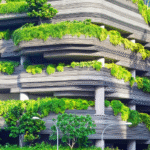
Sustainability is becoming a cornerstone of real estate development in the Gulf region. Developers are increasingly incorporating eco-friendly practices into their projects, responding to a growing consumer demand for sustainable living. From energy-efficient buildings to green spaces, the focus is on creating environments that promote well-being while minimizing environmental impact.
Smart technology integration is also transforming how developments are designed and managed. From automated systems that enhance energy efficiency to smart home features that improve residents’ quality of life, the trend towards smart developments is reshaping the real estate landscape in the Gulf.
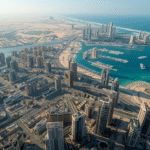
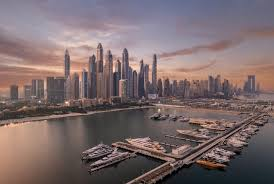
Despite global economic uncertainties, the luxury real estate market in the Gulf region remains robust. High-net-worth individuals continue to seek exclusive properties that offer unparalleled amenities and lifestyle options. The demand for luxury villas, high-end apartments, and waterfront properties is particularly strong, driven by both local buyers and international investors.
Developers are responding to this demand by creating bespoke luxury developments that cater to affluent clients. These properties not only provide luxurious living spaces but also offer access to premium services and facilities, enhancing their appeal in a competitive market.
While the Gulf region’s real estate market presents numerous opportunities, it is not without its challenges. Fluctuations in oil prices can impact economic stability, leading to uncertainty in the property market. Additionally, oversupply in certain areas can create competition, putting pressure on rental prices and property values.
Regulatory changes and evolving market dynamics mean that investors must stay informed and adaptable. Understanding local laws, market conditions, and economic indicators is essential for making informed investment decisions in this ever-evolving landscape.
The key real estate market trends in the Gulf region highlight a landscape filled with opportunities and challenges. As population growth, urbanization, and government initiatives continue to drive the market, investors must remain vigilant and informed. The emphasis on sustainability, smart technology, and luxury living ensures that the Gulf region will remain a focal point for real estate investment.
Navigating this dynamic market requires a keen understanding of the trends at play. By staying ahead of these developments, investors can position themselves to capitalize on the unique opportunities that the Gulf region has to offer.
Do Follow Estate Magazine on Instagram
Read More:- Health Apps & Wearables Influencing Travel Choices Today 2026