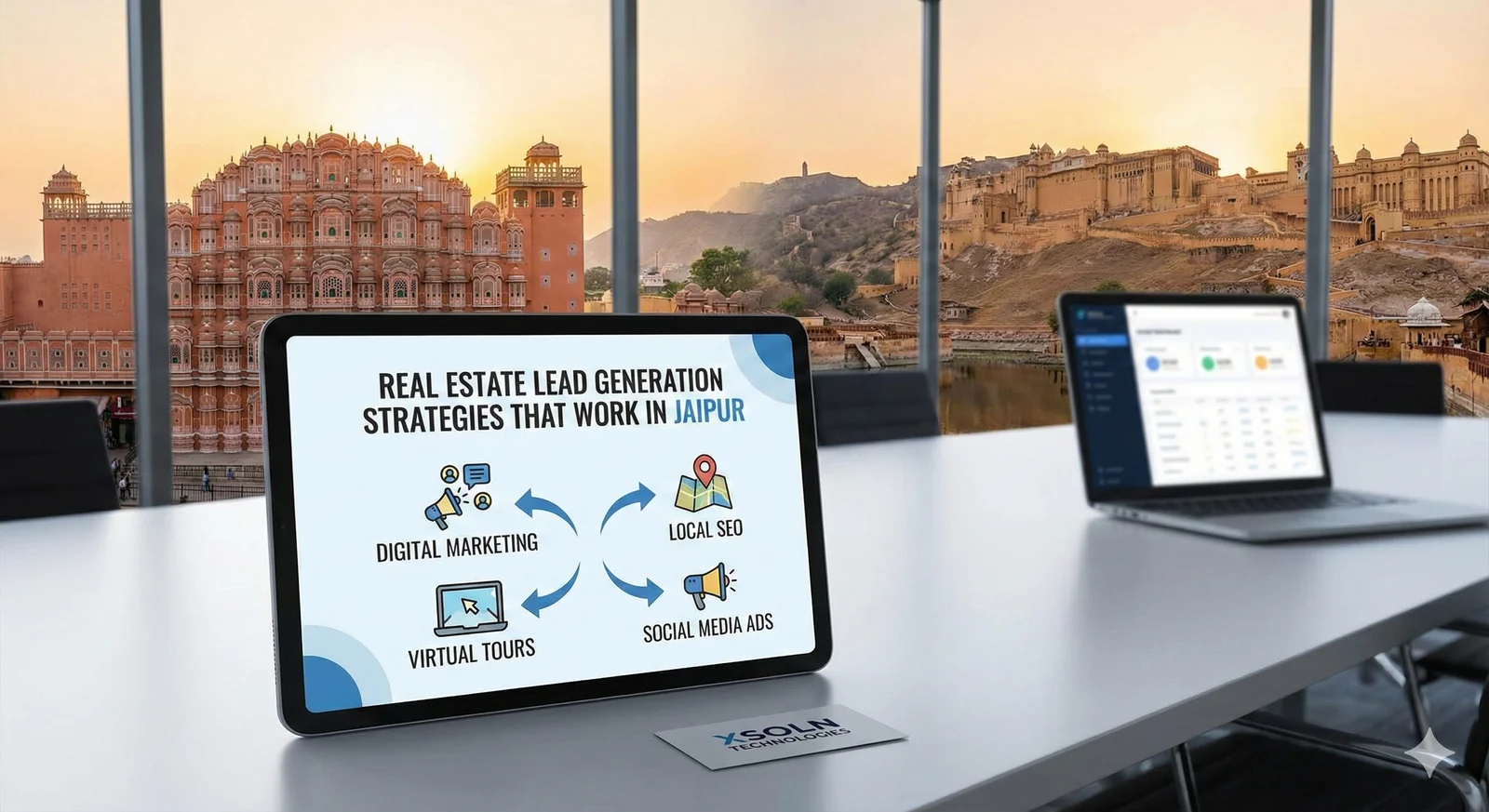

In today’s fast-paced business landscape, understanding the dynamics of marketing & sales is crucial for any organization aiming to thrive. It’s more than just promoting products; it’s about creating meaningful connections with customers, enhancing brand visibility, and ultimately driving revenue. This article will delve into the intricacies of marketing & sales, exploring how to build effective strategies that resonate with your target audience.
At its core, marketing & sales is about relationships. It’s not merely a transactional exchange but a journey that begins with understanding the needs and desires of consumers. Building trust is essential. Customers are more likely to engage with brands that they feel connected to. Hence, developing a strong brand personality and voice can set you apart in a crowded market.
Creating authentic interactions with potential customers can enhance brand loyalty. Engaging content, personalized communication, and responsive customer service are vital elements that foster this connection.
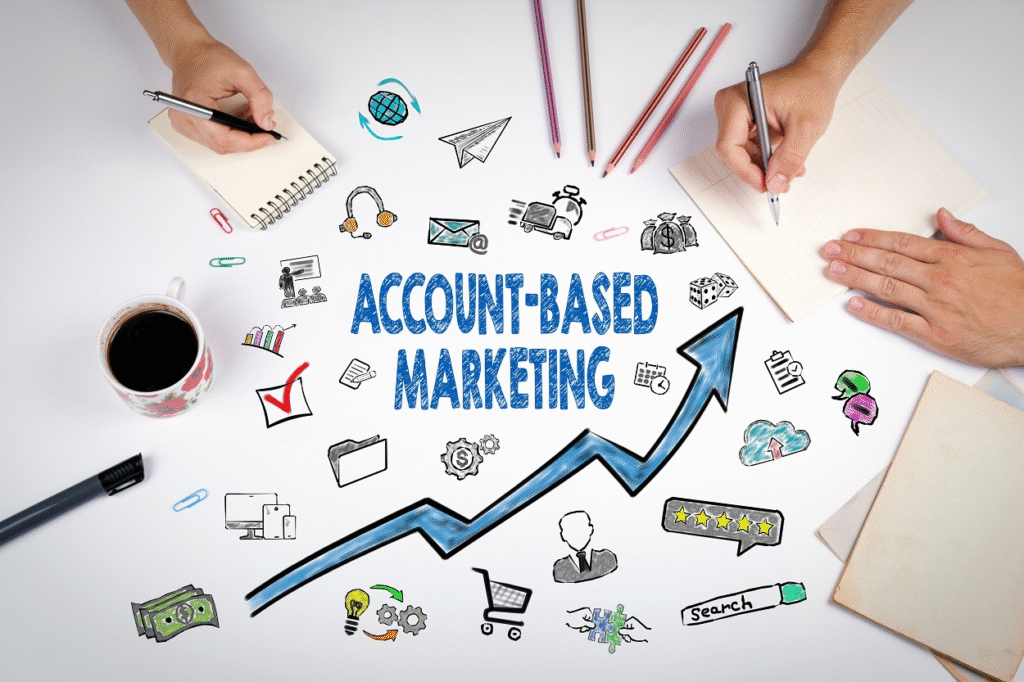
A well-crafted marketing strategy forms the backbone of any successful sales initiative. It encompasses various elements, including market research, target audience analysis, and competitive positioning. Understanding your audience is paramount.
Identifying your target demographic allows you to tailor your marketing messages and sales tactics effectively. Use surveys, social media insights, and customer feedback to gather data about your audience’s preferences, pain points, and buying behaviors.
A successful marketing & sales strategy requires clear, measurable goals. Establishing specific objectives helps you track progress and adapt your approach as needed. Whether it’s increasing brand awareness, boosting lead generation, or enhancing customer retention, having defined goals is essential.
In an age where consumers are bombarded with information, diversifying your marketing channels is vital. Leverage social media, email campaigns, content marketing, and SEO strategies to reach a broader audience. Each channel serves a unique purpose and can effectively funnel potential customers into your sales pipeline.
The relationship between marketing & sales is symbiotic. While marketing attracts potential customers, sales moves them through the buying process. Alignment between these two departments is key to maximizing efficiency and effectiveness.
Regular communication between marketing and sales teams ensures that both are on the same page. Sharing insights about customer interactions, market trends, and campaign performances can lead to more cohesive strategies. When marketing understands the needs and challenges faced by the sales team, they can create more targeted and effective campaigns.
Using technology can streamline the collaboration between marketing & sales. Customer Relationship Management (CRM) systems, analytics tools, and marketing automation platforms can provide valuable insights and enhance efficiency. These tools enable teams to track leads, manage customer interactions, and analyze campaign performances in real time.
To ensure your marketing & sales strategies are effective, measuring success is crucial. Key Performance Indicators (KPIs) provide insights into the performance of your campaigns and sales initiatives.
Focus on metrics such as conversion rates, customer acquisition costs, and return on investment (ROI). These indicators help you assess the effectiveness of your marketing efforts and identify areas for improvement. Regularly reviewing these metrics allows for agility in your strategies, ensuring you adapt to changing market conditions.
Customer feedback is a goldmine for improvement. Utilize surveys, reviews, and direct communication to gather insights about their experiences with your brand. This feedback can inform both marketing & sales strategies, helping you to refine your approach and better meet customer needs.
As technology continues to evolve, so do the strategies within marketing & sales. Staying ahead of trends and embracing innovation is essential for success.
Today’s consumers expect personalized experiences. Utilizing data analytics to segment your audience allows you to create targeted campaigns that speak directly to individual preferences and behaviors. This not only increases engagement but also enhances the chances of conversion.
Modern consumers are more conscious of sustainability and ethical practices. Brands that prioritize these values in their marketing & sales strategies often resonate better with their audiences. Transparency and social responsibility can enhance brand loyalty, making it essential to weave these elements into your business model.
In the competitive landscape of business, mastering marketing & sales is a continuous journey. By building strong relationships, crafting effective strategies, and embracing innovation, organizations can thrive. The interplay between marketing & sales should be seen as an ongoing effort, where collaboration, communication, and adaptability play crucial roles.
Ultimately, the path to success lies in understanding your audience and delivering value consistently. As you navigate the ever-evolving world of marketing & sales, remember that your customers are at the heart of everything you do.
Do Follow Estate Magazine on Instagram
Read More:- Every Real Estate Blog Should Cover for Success 2026