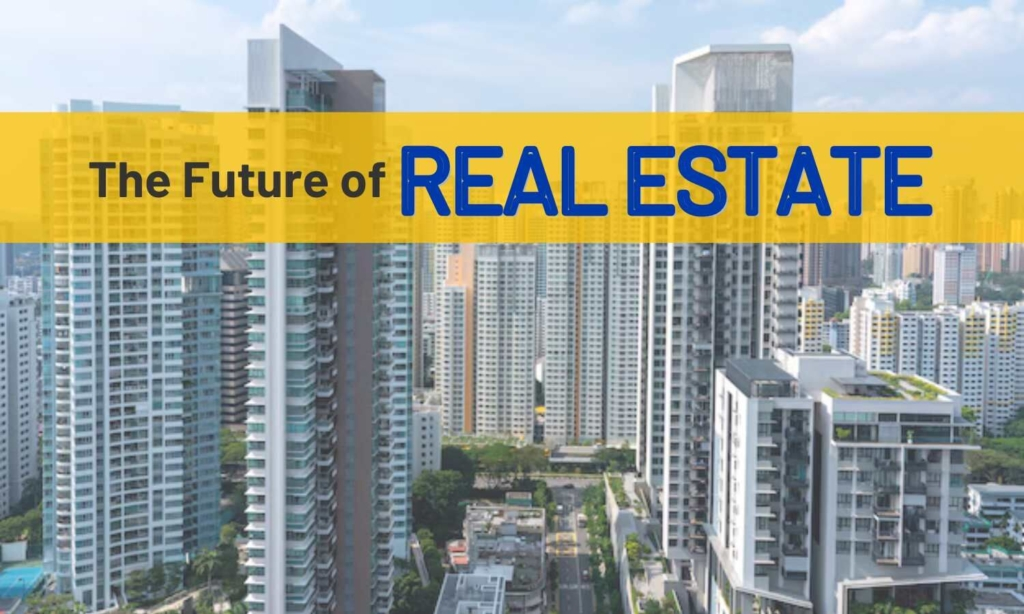
The real estate landscape is continuously evolving, shaped by technological advancements, economic shifts, and changing consumer preferences. As we look ahead, the future of real estate holds exciting possibilities and challenges. This article explores predictions for the next decade, shedding light on what buyers, sellers, and investors can expect in a rapidly changing market.
One of the most significant trends shaping the future of real estate is the integration of technology. Innovations such as virtual reality, artificial intelligence, and blockchain are revolutionizing the way we buy, sell, and manage properties.
Virtual reality will allow potential buyers to tour homes without leaving their couches, making the process more accessible and efficient. These immersive experiences will not only save time but also provide a more profound connection to the properties.
Artificial intelligence will enhance the real estate experience by analyzing vast amounts of data to predict market trends, property values, and even buyer preferences. This data-driven approach will empower agents and buyers alike, making informed decisions easier than ever.
Moreover, blockchain technology will bring greater transparency and security to transactions. Smart contracts can streamline processes, reduce fraud, and ensure that all parties fulfill their obligations seamlessly. As these technologies mature, they will reshape the future of real estate in profound ways.
As environmental awareness grows, sustainability will become a cornerstone of real estate development. Buyers and investors are increasingly seeking eco-friendly properties that minimize their carbon footprint and contribute to a healthier planet.
The future of real estate will see a surge in green building practices, including energy-efficient designs, sustainable materials, and renewable energy sources. Developers will prioritize creating spaces that not only meet the needs of their occupants but also align with global sustainability goals.
Additionally, urban planning will increasingly reflect a desire for walkable communities, green spaces, and efficient public transportation. These developments will not only enhance the quality of life for residents but also attract eco-conscious buyers.
The rise of remote work is another significant trend that will shape the future of real estate. The pandemic accelerated the adoption of flexible work arrangements, leading many individuals to reconsider their living situations.
As more people work from home permanently, there will be a shift in demand for housing. Suburban and rural areas may experience a surge in popularity as buyers seek larger homes with dedicated office spaces. This trend could lead to a revaluation of property prices in previously overlooked regions.
Real estate investors will need to adapt to this changing landscape, focusing on properties that cater to remote workers. Homes with office-friendly layouts and access to high-speed internet will become increasingly desirable.
The future of real estate will also see continued urbanization, with more people flocking to cities for job opportunities and lifestyle amenities. However, this trend comes with its own set of challenges.
As cities grow, the demand for affordable housing will intensify. Developers will need to find innovative solutions to create housing that meets the needs of diverse populations without compromising on quality. Mixed-use developments that combine residential, commercial, and recreational spaces may become a popular solution.
Moreover, infrastructure will need to keep pace with urban growth. Improved public transport, utilities, and green spaces will be critical to maintaining livable cities. The integration of smart city technologies can help manage resources more efficiently, ensuring that urban areas can sustain their growing populations.
Today’s buyers are not just looking for a place to live; they are seeking a lifestyle. The future of real estate will be shaped by a growing emphasis on experience and community.
Developers will focus on creating spaces that foster connections among residents, whether through communal areas, shared amenities, or events. The trend of co-living and co-working spaces will continue to rise, catering to those who value collaboration and community.
Additionally, buyers will increasingly prioritize locations that offer easy access to leisure activities, nature, and cultural experiences. Properties near parks, dining, and entertainment venues will command a premium, as residents seek a holistic living experience.
As technology continues to transform the industry, the role of real estate agents will also evolve. Agents will become more like trusted advisors, leveraging data and insights to guide their clients through the buying and selling process.
The future of real estate will see agents focusing on building relationships rather than just closing deals. They will need to provide valuable insights and personalized experiences, helping clients navigate a complex and dynamic market.
Moreover, agents will need to embrace technology, utilizing digital marketing strategies and online platforms to reach potential buyers effectively. Those who adapt and innovate will thrive in the competitive landscape of the next decade.
The future of real estate promises to be an exciting journey filled with innovation, sustainability, and evolving consumer preferences. As technology reshapes the industry and societal values shift, stakeholders must remain adaptable to thrive in this dynamic environment.
By embracing change and focusing on the needs of buyers and communities, the real estate sector can evolve to meet the challenges and opportunities of the next decade. Whether you’re a buyer, seller, or investor, understanding these trends will be crucial in navigating the future of real estate.
Do Follow Estate Magazine on Instagram
Read More:- Real Estate Tokenization in Dubai: Exploring Fractional Ownership Opportunities 2026