

The dynamics of property markets are intricately tied to various economic factors that influence real estate trends globally. Understanding these factors is key for investors, homeowners, and anyone interested in the housing market. From interest rates to employment levels, these economic elements can drive market fluctuations, making it essential to stay informed about how they shape property markets worldwide.
Interest rates are one of the most significant economic factors affecting property markets. When central banks adjust interest rates, it directly influences mortgage rates. Lower interest rates generally encourage borrowing, leading to increased home purchases and investments in property. Conversely, higher rates can dampen demand, as potential buyers may find mortgages less affordable.
As interest rates rise, the cost of borrowing increases, which can lead to a cooling of property markets. For instance, many buyers may decide to wait for more favorable financial conditions before making a purchase, resulting in slower sales and a potential drop in property prices. Understanding these fluctuations can help investors strategize their buying or selling decisions effectively.
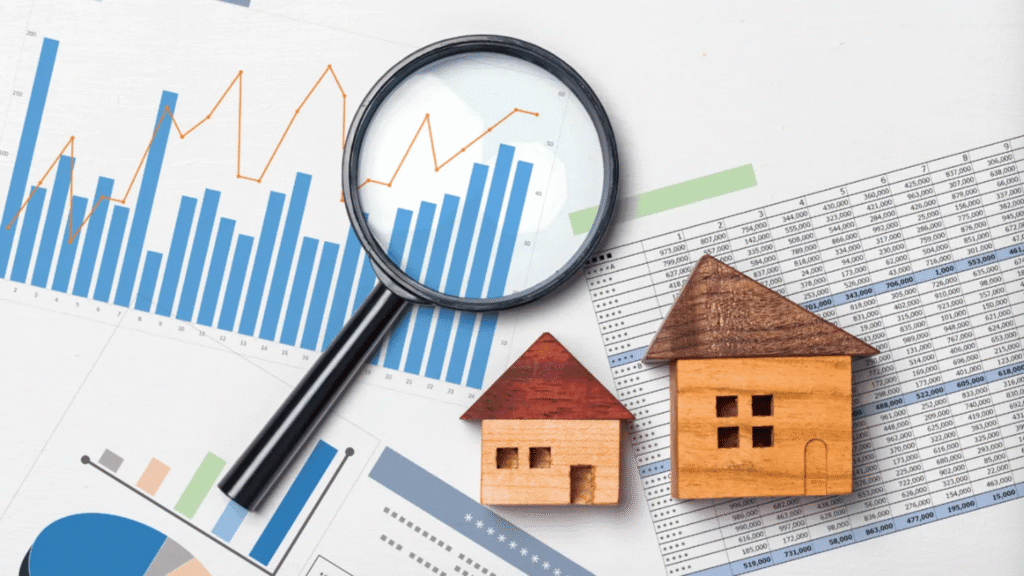
Employment levels are another critical economic factor shaping property markets. High employment rates typically correlate with increased demand for housing. When people feel secure in their jobs, they are more likely to make significant financial commitments, such as purchasing a home. This increased demand can lead to rising property prices, particularly in areas with robust job growth.
On the flip side, high unemployment can lead to a decline in demand for housing. Individuals may be hesitant to invest in property when job security is uncertain. Moreover, economic downturns often result in increased foreclosures and a surplus of homes on the market, driving prices down.
Inflation is an economic factor that cannot be ignored when discussing property markets. As the cost of living rises, so too does the price of materials needed for construction, which can affect the supply of new homes. Additionally, inflation can erode purchasing power, making it more challenging for potential buyers to afford homes.
In times of high inflation, real estate is often viewed as a hedge against rising prices. Investors may flock to property as a more stable investment compared to stocks or bonds, driving up demand and prices. Understanding the nuances of inflation and its effects on property markets is crucial for anyone looking to invest wisely.
Government policies play a significant role in shaping property markets. Zoning laws, tax incentives, and housing regulations can either encourage or restrict real estate development. For example, tax breaks for first-time homebuyers can stimulate demand, while stringent zoning laws may limit the availability of housing, impacting supply and prices.
Furthermore, government interventions during economic crises, such as stimulus packages or interest rate adjustments, can also influence property markets. Investors must stay informed about local and national policies to navigate the market effectively.
While local economics are paramount, global economic trends can have a ripple effect on property markets. Factors such as international trade agreements, foreign investments, and geopolitical stability can influence local real estate dynamics. For instance, an influx of foreign capital can drive up property prices in specific markets, while economic instability in a region may deter investment.
Understanding these global factors is essential for investors looking to diversify their portfolios. By analyzing how global events impact local markets, investors can make informed decisions about where to allocate their resources.
The balance of supply and demand is fundamental to understanding property markets. Economic factors such as population growth, migration patterns, and urbanization directly impact housing demand. As cities expand, the need for housing increases, often outpacing supply.
When demand exceeds supply, property prices typically rise. Conversely, an oversupply of homes can lead to price drops. Investors should closely monitor demographic trends and housing inventory levels to anticipate changes in the market.

For those looking to invest in property, understanding key economic indicators is vital. Metrics such as GDP growth, consumer confidence, and housing starts provide valuable insights into market conditions. By analyzing these indicators, investors can gauge the health of the economy and make informed decisions regarding their investments.
Staying attuned to economic trends allows investors to identify potential opportunities and risks in property markets. This proactive approach can lead to more successful investment outcomes.
Economic factors shaping property markets worldwide are complex and interrelated. By understanding how interest rates, employment levels, inflation, government policies, global trends, supply and demand, and economic indicators affect the real estate landscape, investors can navigate the challenges and opportunities that arise.
Staying informed and adaptable is crucial for success in the ever-evolving property market. By keeping a close eye on these economic factors, individuals can position themselves to make sound investment decisions that align with market conditions.
Do Follow Estate Magazine on Instagram
Read More:- Dubai Off-Plan Sales Trends: Must-Know Insights 2026