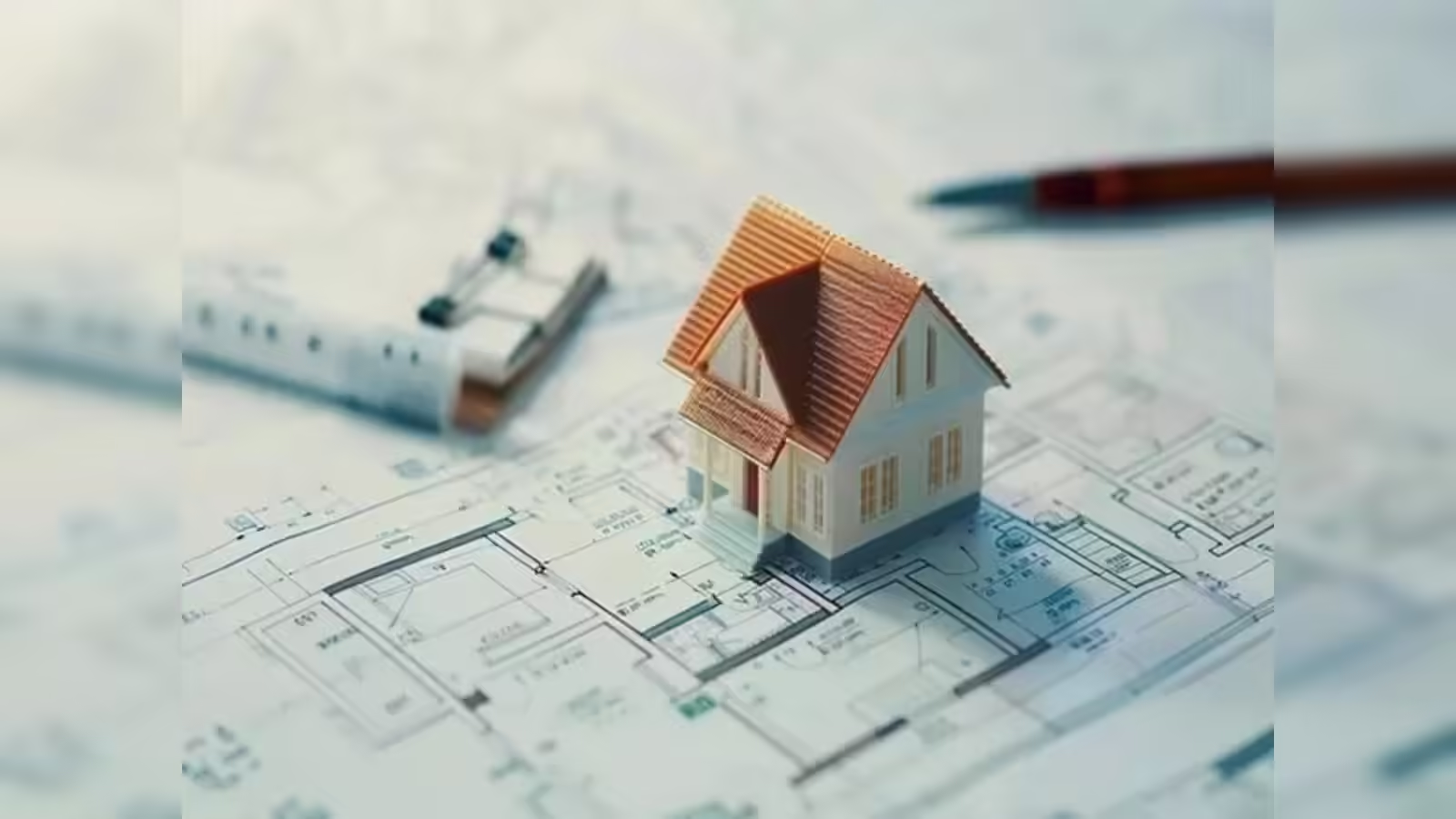
When considering a new development, knowing the quality standards to look for is crucial. These standards not only ensure the aesthetic appeal of a property but also contribute to its long-term value and functionality. Whether you’re a buyer, investor, or simply someone interested in real estate, understanding these benchmarks can guide your decision-making process. This article will explore the important quality standards you should prioritize when assessing new developments.
Quality standards serve as a benchmark for assessing the integrity, safety, and durability of new developments. They encompass everything from construction materials to design practices and environmental impact. A property that adheres to high-quality standards is likely to offer more than just a place to live; it can provide a safe, comfortable, and sustainable environment.
By understanding what to look for, you can make informed choices that protect your investment and enhance your quality of life.
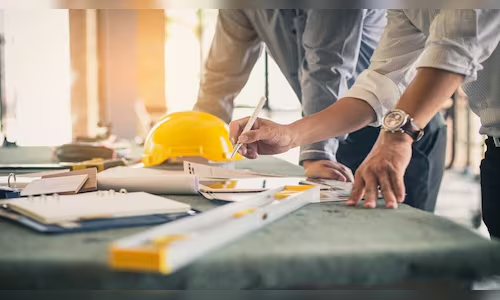
When evaluating new developments, certain quality standards stand out as essential. These standards can be categorized into various aspects, including construction quality, design principles, sustainability practices, and community integration.
The first standard to evaluate is the construction quality itself. This includes:
Materials Used: High-quality developments utilize durable materials that withstand wear and tear. Look for projects that source sustainable and environmentally friendly materials.
Workmanship: Skilled labor ensures that every detail, from framing to finishing, meets industry standards. Check for certifications or reviews of the builders involved.
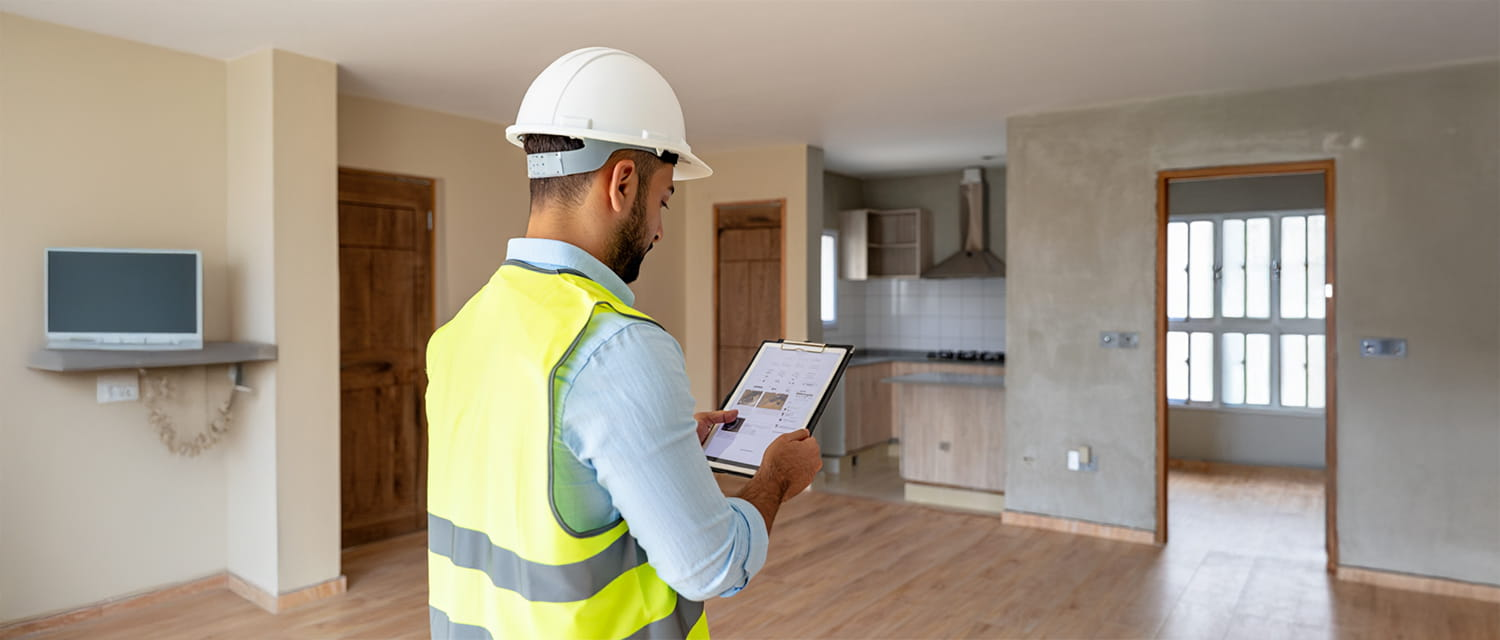
Safety Standards: Buildings should comply with local codes and regulations, ensuring they are safe for occupancy. Always inquire about safety inspections and protocols.
The design of a new development plays a crucial role in its overall quality. Here’s what to consider:
Space Utilization: Quality developments maximize space while providing a comfortable living experience. Open floor plans and smart layouts can enhance usability.
Natural Light and Ventilation: Proper placement of windows and ventilation systems can significantly affect the livability of a space. Ensure that designs prioritize light and airflow.
Aesthetic Appeal: A well-designed development blends seamlessly with its surroundings. Look for architectural styles that enhance the neighborhood’s character.
Sustainability is increasingly becoming a critical standard in new developments. Here’s what to look for:
Energy Efficiency: Developments should incorporate energy-efficient systems such as HVAC, insulation, and renewable energy sources. This not only reduces utility costs but also minimizes environmental impact.
Water Conservation: Look for features like low-flow fixtures and rainwater harvesting systems. Sustainable water management practices contribute to a property’s long-term viability.
Waste Management: Quality developments often include plans for waste reduction and recycling during construction and throughout their lifecycle.
Finally, the integration of a new development within its community is vital. Consider these aspects:
Accessibility: Quality developments should be conveniently located near essential services, public transportation, and recreational areas. This enhances the quality of life for residents.
Community Features: Amenities such as parks, playgrounds, and communal spaces foster a sense of community. Look for developments that prioritize social interaction and accessibility.
Local Engagement: Quality developers often engage with existing community members during the planning phase. This collaboration ensures the development meets the needs of both new and current residents.
Understanding quality standards requires proactive research. Here are some effective methods:
Visit the Construction Site: If possible, visit the site to observe the construction process. Take note of the materials and techniques being used.
Ask Questions: Engage with the developers or real estate agents. Inquire about the quality standards they follow and any certifications they possess.
Seek Reviews and Testimonials: Look for feedback from previous buyers in the same development or from other projects by the same builder. Their experiences can provide valuable insights.
Consult Industry Standards: Familiarize yourself with local and national building codes as well as industry standards. This knowledge can empower you during your evaluation.

Investing in a new development that meets high-quality standards offers numerous long-term benefits. These may include:
Increased Property Value: Properties built with quality standards in mind tend to appreciate in value over time, providing a solid return on investment.
Enhanced Living Experience: Quality standards contribute to a safe, comfortable, and enjoyable living environment. This leads to higher satisfaction among residents.
Lower Maintenance Costs: A well-constructed development requires less frequent repairs and maintenance, saving homeowners money in the long run.
Selecting a new development is a significant decision that requires careful consideration of quality standards. By focusing on construction quality, design principles, sustainability practices, and community integration, you can ensure that your investment will not only meet your immediate needs but also provide long-lasting value. Take the time to research and evaluate these standards before making a decision, and you’ll be well on your way to finding a home that exceeds your expectations.
Do Follow Estate Magazine on Instagram
Read More:- Construction Timelines Impact Property Value: 7 Powerful Insights You Must Know