
In the complex world of construction and real estate, understanding the role of developers, contractors, and consultants is crucial. Each of these players brings unique expertise and perspectives that contribute to the success of a project. Whether you’re planning a new building, renovating an existing structure, or diving into real estate investments, knowing how these roles interact can enhance your approach and outcomes.
Developers, contractors, and consultants are the backbone of any construction project. They each play distinct yet interconnected roles that ensure a project is completed on time, within budget, and to the desired quality standards.
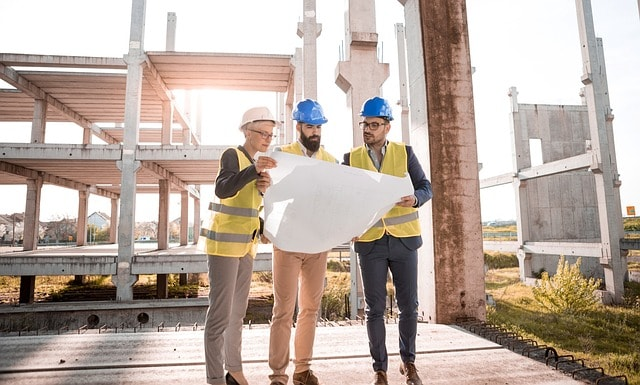
Developers are often seen as the visionaries of a project. They are responsible for the initial conceptualization and planning phases. This involves:
Their role extends beyond just the planning phase; developers are also involved in marketing and selling the finished product. They need to ensure that the project aligns with market demand and investor expectations, making their role pivotal in the overall project lifecycle.
Once the plans are in place, contractors take over the execution of the project. They are responsible for bringing the developer’s vision to life. Their responsibilities include:
Contractors act as the bridge between the project design and the physical construction. They need to have an in-depth understanding of construction methods, safety regulations, and quality control measures. Effective communication with developers and consultants is essential to navigate challenges that arise during construction.
Consultants provide specialized expertise that enhances the quality and efficiency of a project. They often come into play during various phases, providing valuable insights that can save time and money. Their roles can include:
Consultants are often engaged to mitigate risks and provide solutions to complex problems. Their expertise can be crucial in avoiding costly mistakes that could derail a project.
The collaboration between developers, contractors, and consultants is a dynamic process that significantly influences a project’s success. Effective communication and teamwork are essential as these roles overlap and intersect throughout the project lifecycle.
Developers rely on contractors to provide input during the planning phase, ensuring that the project is feasible from a construction perspective. Similarly, contractors depend on consultants for specialized knowledge that can optimize construction processes and ensure compliance with regulations.
Regular meetings and updates among these parties help maintain alignment and address any issues that arise. This collaborative environment fosters innovation and problem-solving, driving projects toward successful completion.
Despite their essential contributions, each role faces unique challenges. Developers must navigate financial risks, market fluctuations, and regulatory hurdles. Contractors face the pressures of tight deadlines and resource management, while consultants must constantly update their knowledge to provide the most relevant advice.
Understanding these challenges can help stakeholders appreciate each role’s contributions and foster a more collaborative atmosphere. By recognizing the pressures each party faces, they can work together more effectively, leading to improved project outcomes.

As the construction industry continues to evolve, so too does the collaboration between developers, contractors, and consultants. The rise of technology, such as Building Information Modeling (BIM) and project management software, is transforming how these roles interact.
These tools enhance communication and streamline processes, allowing for real-time updates and collaboration. As a result, projects can be completed faster and more efficiently, benefiting everyone involved—from developers to end-users.
Moreover, sustainability is becoming a more significant focus in construction. Developers, contractors, and consultants must work together to implement eco-friendly practices and materials, ensuring that projects not only meet current needs but also contribute to a sustainable future.
In summary, the role of developers, contractors, and consultants is vital in the construction industry. Each player brings unique skills and perspectives that, when combined, create a robust framework for successful project execution. By fostering collaboration and understanding the challenges each role faces, stakeholders can significantly enhance the quality, efficiency, and sustainability of construction projects.
The future of construction lies in the strength of these partnerships. As technology and sustainability continue to shape the industry, the collaboration between developers, contractors, and consultants will only become more vital.
Do Follow Estate Magazine on Instagram
Read More:- First-Time Home Buyer Guide: 7 Proven Steps to Successful Homeownership