

If you’re a tenant in Dubai, understanding how to register your tenancy with Ejari is crucial for ensuring your rights and responsibilities are safeguarded. This step-by-step guide to registering your tenancy with Ejari will walk you through the entire process, making it simple and straightforward. By the end, you’ll be equipped with everything you need to know to complete your registration efficiently.
Ejari is an online system introduced by the Real Estate Regulatory Agency (RERA) in Dubai to regulate the rental market. It allows tenants and landlords to register tenancy contracts officially. This registration is not just a formality; it provides legal protection for both parties. By registering your tenancy with Ejari, you can ensure that your rights are acknowledged, making it easier to resolve disputes if they arise.
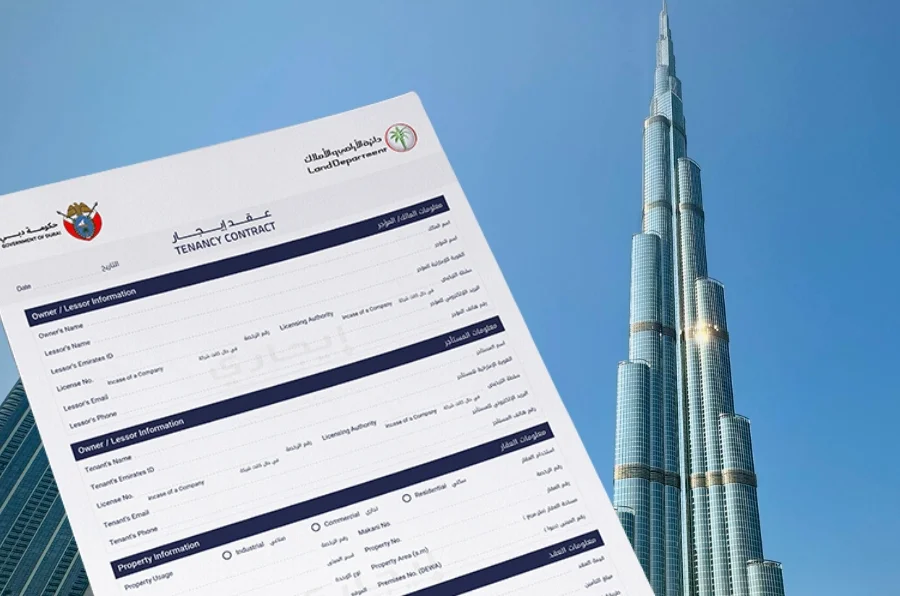
Before diving into the registration process, it’s essential to gather all the necessary documents. Here’s what you will need:
Having these documents ready will streamline your experience and help avoid any unnecessary delays.
Begin by visiting the official Ejari website. You can easily find the portal by searching for “Ejari” in your preferred search engine. Once you’re on the site, look for the option to register your tenancy.
If you’re a new user, you’ll need to create an account. Fill in your details, including your email address and a secure password. If you already have an account, simply log in using your credentials.
Once logged in, you will be prompted to fill out a tenancy registration form. Be sure to provide accurate information, including:
Double-check everything to ensure that all information is correct before proceeding.
After filling out the form, the next step is to upload the required documents. Make sure you have scanned copies of all the documents mentioned earlier. The system will guide you on how to upload each document.
Before submitting your application, take a moment to review all the details. Confirm that everything is accurate and that you’ve uploaded all necessary documents. This step is crucial to prevent any delays in processing your registration.
Upon successful submission of your application, you will be prompted to pay the registration fee. The fee is typically around AED 220, but it’s best to check the current fee on the Ejari portal. Payment can usually be made via credit card or other online payment methods.
After processing your payment, you will receive a confirmation email. This email will contain your Ejari registration number, which you should keep for your records. This number is essential for any future references related to your tenancy.
While the process of registering your tenancy with Ejari is straightforward, there are some common pitfalls to watch out for:
Incomplete Documentation: Ensure all required documents are prepared and uploaded. Missing documents can lead to delays.
Incorrect Information: Double-check the details you input into the registration form. Any errors can cause complications.
Ignoring Deadlines: Be mindful of any deadlines related to your tenancy registration. Failing to register on time may lead to issues with your landlord.
Registering your tenancy with Ejari provides numerous benefits. These include:
Legal Protection: Having a registered tenancy contract protects both landlords and tenants in case of disputes.
Access to Services: Ejari registration is often required for various services, including utility connections and residency visa processing.
Peace of Mind: Knowing that your tenancy is officially recognized can provide peace of mind and stability during your stay in Dubai.
Now that you have a clear step-by-step guide to registering your tenancy with Ejari, you’re ready to take action. The process may seem daunting at first, but by following these steps, you can ensure that your tenancy is registered smoothly and legally. Remember, registering your tenancy not only protects you but also contributes to the overall stability of the rental market in Dubai.
Do Follow Estate Magazine on Instagram
Read More:- UAE Property Demand Insights: How Foreign Investors Are Shaping the Market 2026