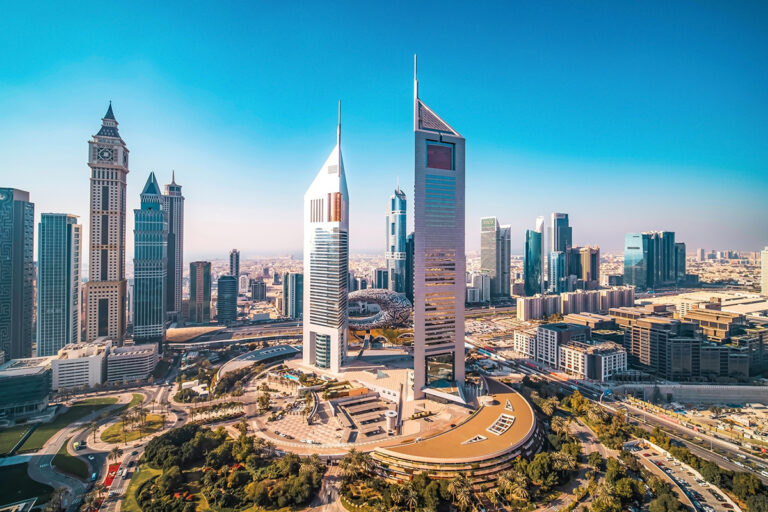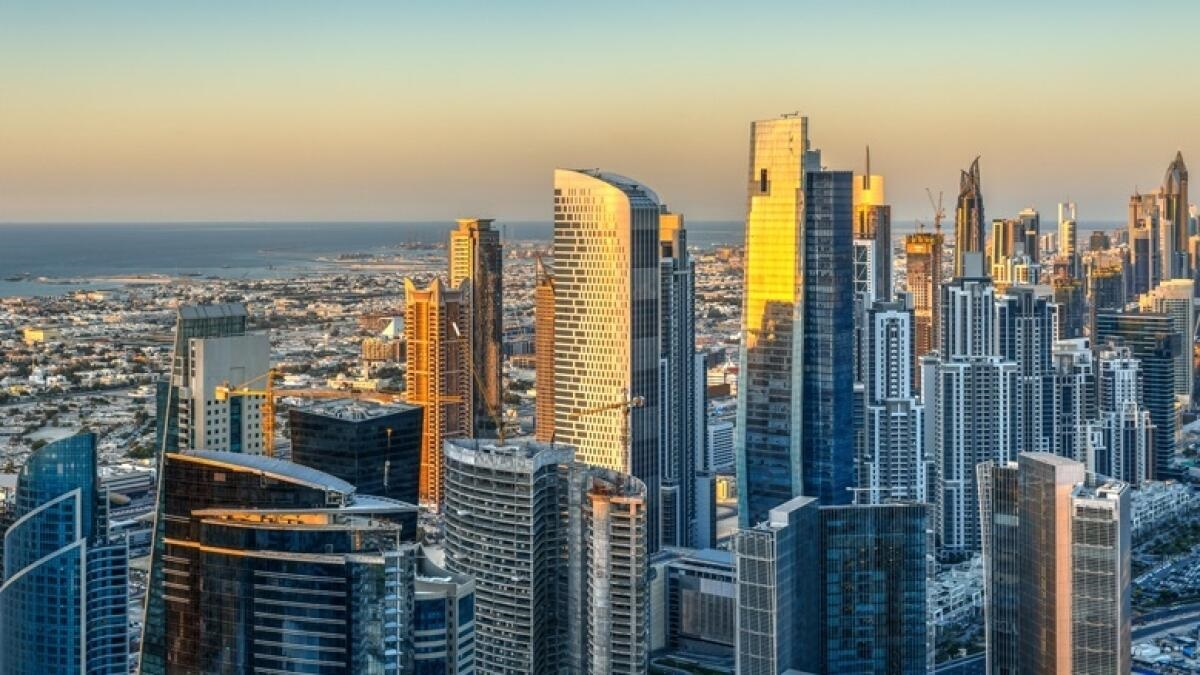
The UAE property market is poised for significant shifts in 2025, presenting both challenges and opportunities for investors, buyers, and stakeholders. As we delve into the dynamics of the UAE Property Market Q1–Q4 2025, we will explore key findings and analyses that will help you navigate this evolving landscape. Understanding these developments is essential for making informed decisions in this vibrant market.
In 2025, the UAE property market continues to be defined by a blend of innovation and tradition. The country’s strategic location, robust infrastructure, and growing economy serve as a magnet for both local and international investors.
The demand for residential, commercial, and industrial properties is expected to rise as the UAE positions itself as a global business hub. This trend is driven by various factors, including population growth, urbanization, and the diversification of the economy away from oil reliance.
However, potential investors should be mindful of the challenges that come with this growth. Regulatory changes, economic fluctuations, and the global economic climate can all impact market stability.
As we further analyze the UAE Property Market Q1–Q4 2025, several key trends emerge:
Sustainability is at the forefront of property development in the UAE. With increasing awareness about environmental concerns, developers are focusing on eco-friendly projects that meet the needs of modern residents. This shift not only attracts environmentally conscious buyers but also aligns with the UAE’s long-term vision for sustainability.
The integration of technology in the property sector is transforming how real estate transactions are conducted. Virtual tours, AI-driven analytics, and blockchain technology are becoming commonplace, enhancing the buying and selling experience. These innovations not only streamline processes but also provide buyers with more transparency and security.
The demographics of property buyers are evolving. Younger generations, including millennials and Gen Z, are becoming significant players in the market. This demographic shift influences preferences for smaller, more affordable units in prime locations with access to amenities and lifestyle options.
In 2025, certain regions within the UAE are expected to outperform others in terms of property demand and investment potential. Areas such as Dubai, Abu Dhabi, and Sharjah are spotlighted for their unique offerings.
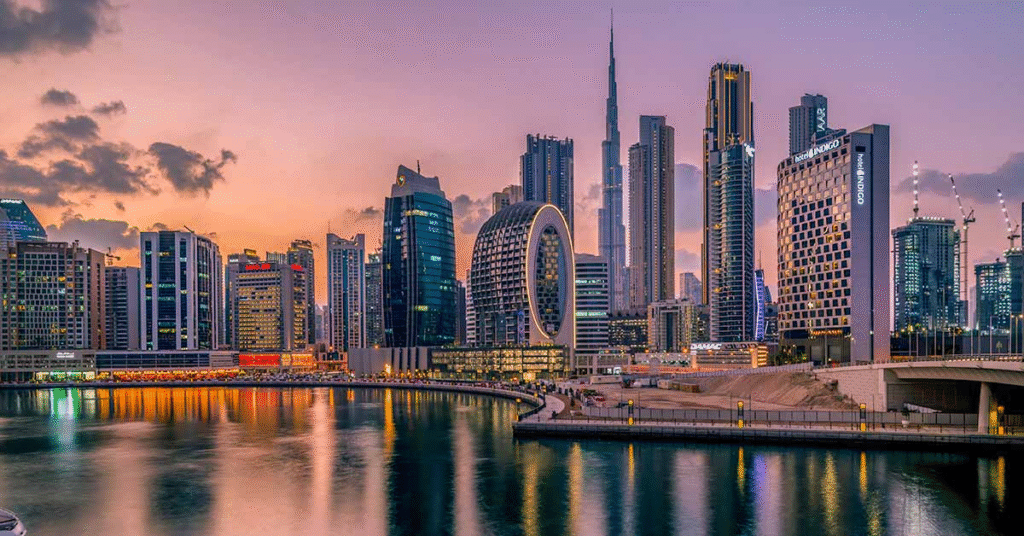
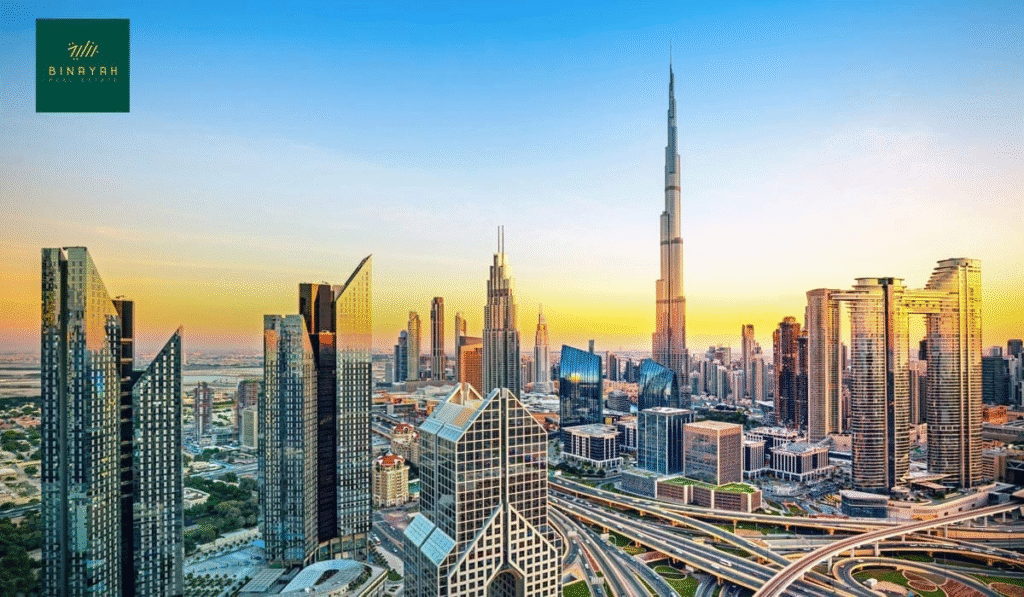
Dubai continues to thrive as a luxury property market, attracting international buyers with its high-end developments and iconic landmarks. The Expo 2020 legacy is likely to fuel further growth, with new infrastructure and attractions enhancing the city’s appeal.
Abu Dhabi’s property market demonstrates resilience, driven by government initiatives and population growth. The continued investment in cultural and entertainment projects is expected to draw more residents and investors, solidifying its status as a desirable location.
Sharjah is gaining traction as an affordable alternative for families seeking larger living spaces. The growing expat population and proximity to Dubai make it an attractive option for those looking for a balance between cost and lifestyle.
The economic landscape plays a crucial role in shaping the UAE Property Market Q1–Q4 2025. Factors such as interest rates, inflation, and overall economic growth will influence buyer confidence and investment decisions.
As the UAE continues to diversify its economy, sectors such as tourism, technology, and finance are expected to flourish. This economic diversification can lead to increased job opportunities, boosting demand for housing and commercial spaces.
Investors in the UAE property market must navigate both opportunities and challenges in 2025. The attractive rental yields, particularly in key urban areas, present compelling reasons to invest. However, potential fluctuations in market dynamics and economic conditions require thorough research and strategic planning.
Staying informed about market trends and economic indicators is essential for making sound investment decisions. Investors should consider factors such as property location, developer reputation, and market demand when evaluating potential opportunities.
Regulatory changes can significantly impact the property market. Keeping an eye on new laws and policies, such as those related to foreign ownership and rental regulations, will be crucial for investors looking to capitalize on market changes.
Looking ahead, the UAE Property Market Q1–Q4 2025 is expected to experience continued growth and transformation. The focus on sustainability, technological advancements, and changing buyer demographics will reshape the landscape in profound ways.
Investors who remain adaptable and informed will find opportunities to thrive in this evolving market. The UAE’s commitment to enhancing its global position and improving the quality of life for residents will further solidify its status as a premier destination for property investment.
In conclusion, understanding the key findings and analyses of the UAE Property Market Q1–Q4 2025 is crucial for anyone looking to enter or navigate this dynamic environment. With the right insights and strategies, stakeholders can maximize their potential in this promising market.
Do Follow Estate Magazine on Instagram
Read More:- UAE Property Investment Trends Among Foreign Nationals Uncovered 2026