Real estate in 2026 is no longer just about owning property it’s about experiencing life to its fullest. Homebuyers and investors are increasingly seeking communities that offer vibrant lifestyles, enhanced amenities, and social connectivity. Today’s properties are designed to combine comfort, convenience, and a sense of belonging, making lifestyle a central factor in real estate decisions.
Modern communities prioritize experiences over square footage. From state-of-the-art fitness centers and wellness spas to rooftop pools and smart-home technology, every aspect is crafted to elevate daily living. Homeowners now expect easy access to these luxury features, creating a sense of exclusivity and convenience within their residential environment.
Community clubs and lifestyle centers provide spaces for residents to socialize, work remotely, or host events, making them hubs of connection. Outdoor amenities like jogging trails, meditation gardens, and pet-friendly zones promote wellness and a balanced lifestyle, reflecting the rising demand for holistic living in urban developments.
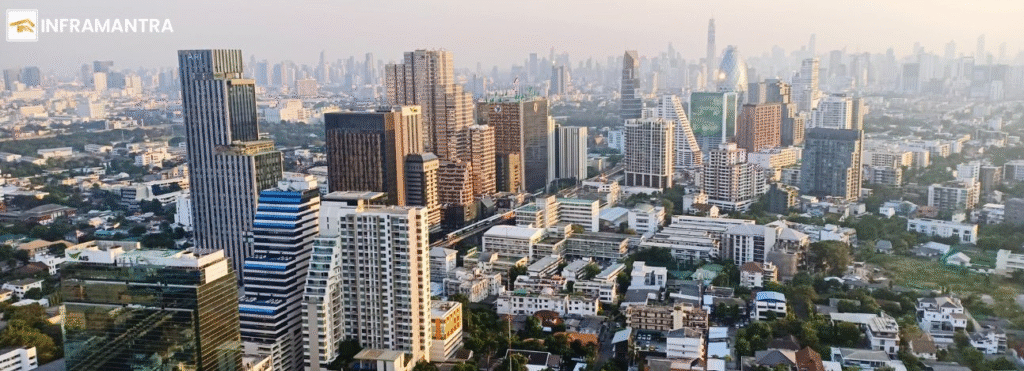
Sustainability is no longer optional it is a core expectation for modern homeowners. Communities are now integrating green infrastructure, energy-efficient systems, and eco-friendly materials to create environmentally responsible developments. Solar-powered lighting, smart waste management, and green rooftops are becoming standard, reflecting the growing awareness of climate-conscious living.
Developers also focus on creating walkable neighborhoods with abundant green spaces. Parks, urban forests, and community gardens not only improve air quality but foster social interactions and active lifestyles, making sustainability an integral part of the residential experience.
2026’s buyers are seeking more than a home; they want a sense of belonging. Communities that encourage interaction through social events, cultural festivals, and collaborative spaces are highly valued. From co-working hubs to communal lounges, shared spaces are designed to inspire connections among residents.
Cultural and recreational activities such as art exhibitions, local farmers’ markets, and outdoor concerts bring vibrancy to neighborhoods. Residents now prefer communities where they can both relax and engage, turning residential areas into thriving social ecosystems.
Technology is transforming how residents live, work, and interact. Smart homes equipped with AI-driven systems, remote-controlled appliances, and security automation offer convenience and safety. High-speed connectivity and app-based community services make daily life seamless, from booking fitness classes to managing maintenance requests.
Neighborhood-wide technology integrations—such as smart street lighting, automated waste collection, and digital community boards—enhance efficiency while promoting a connected, modern lifestyle. Tech-enabled communities are no longer futuristic—they are the norm for 2026 real estate.
Health-focused living spaces are in high demand, with developers prioritizing fitness, mental well-being, and recreational facilities. Yoga zones, wellness retreats, and holistic health centers are becoming common, emphasizing a lifestyle where physical and mental wellness are central.
Cycling lanes, jogging tracks, and outdoor gyms encourage active routines, while quiet zones and meditation gardens offer peaceful escapes. The integration of wellness into the very fabric of a community creates environments that promote longevity, happiness, and work-life balance.
Communities designed for families prioritize safety, education, and entertainment. Gated neighborhoods, secure playgrounds, and high-quality schools make these areas attractive for parents seeking peace of mind. Family-centric planning ensures easy access to childcare centers, pediatric services, and recreational programs that foster social growth for children.
Neighborhoods with family-oriented facilities also encourage multigenerational living, where grandparents, parents, and children can coexist comfortably while enjoying communal amenities. Such thoughtful planning strengthens community ties and enhances long-term property appeal.
Lifestyle in real estate 2026 goes beyond private spaces. Communities are integrating cultural centers, libraries, art studios, and sports complexes to foster engagement. Residents benefit from local experiences without needing to travel far, while cultural hubs also boost property value by enhancing the neighborhood’s identity.
From outdoor amphitheaters to craft workshops, these spaces support creative expression and leisure activities. The focus is on offering holistic lifestyle experiences that nurture both mind and body, making cultural and recreational facilities vital for modern developments.
Even with premium amenities, location remains a key driver of lifestyle. Proximity to transport networks, shopping hubs, schools, and business districts ensures that residents can balance work and leisure efficiently. Integrated transport options, including bike-sharing programs and electric vehicle charging stations, enhance connectivity while promoting sustainable commuting.
Walkable neighborhoods and mixed-use developments further contribute to convenience, making daily errands and social engagements effortless. Residents are increasingly valuing communities that provide lifestyle perks alongside strategic locations.

Forward-thinking communities empower residents to shape their environment. Homeowner associations, digital platforms, and community councils allow residents to contribute ideas, plan events, and maintain shared spaces. This governance model fosters accountability, collaboration, and a stronger sense of ownership.
Engaged communities attract like-minded individuals, creating neighborhoods where shared values and active participation enhance overall quality of life. The result is a dynamic, evolving environment that meets residents’ changing needs.
The next decade in real estate emphasizes experiences, connectivity, and holistic living. Properties are increasingly evaluated not just by architecture or size, but by how they improve everyday life. Developers who prioritize lifestyle-centric planning, wellness, and social cohesion will lead the market, while residents will continue seeking communities that align with their values and aspirations.
In 2026, lifestyle and community highlights are transforming real estate into more than a financial investment they are a gateway to a richer, more connected, and fulfilling way of life.
Do Follow Estate Magazine on Instagram
Read More:- Unlock Massive Opportunities in Property Prices This 2026