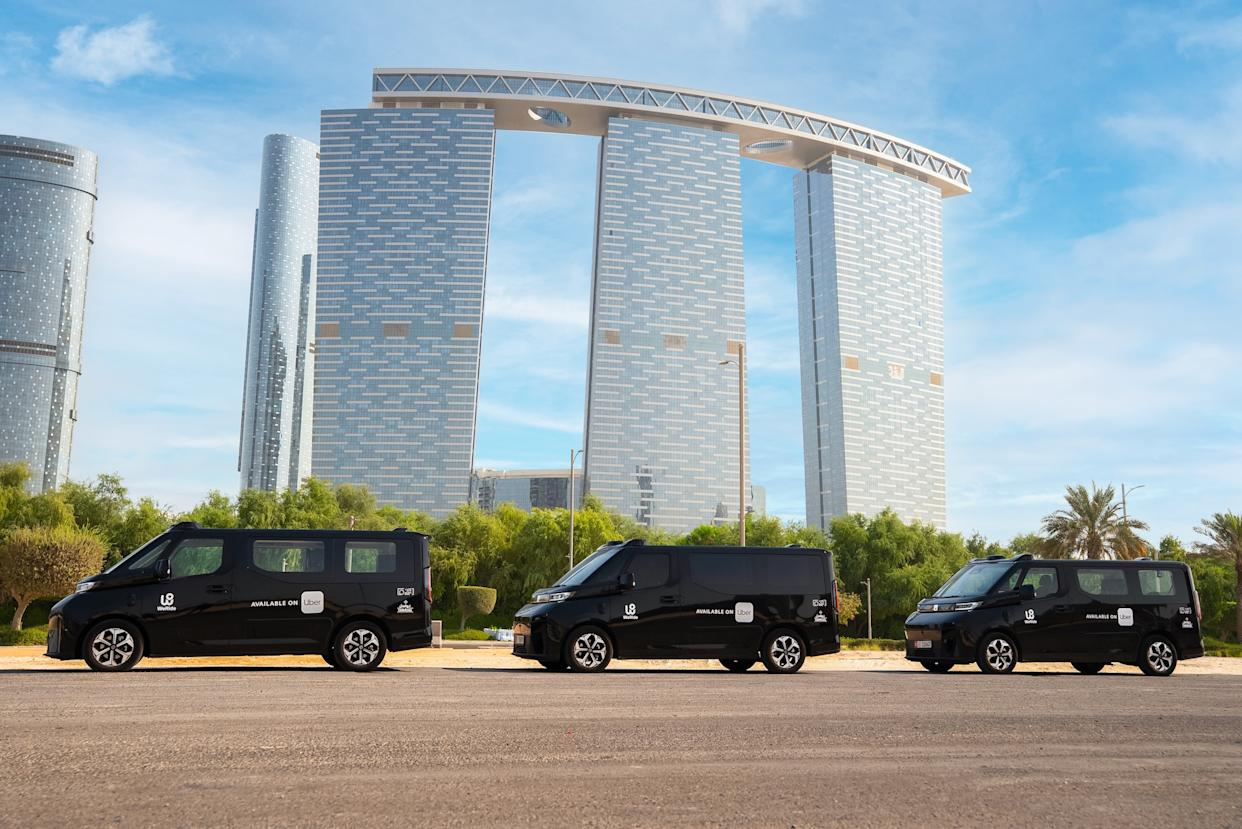
Abu Dhabi has once again positioned itself at the forefront of innovation with the rollout of Uber’s driverless robotaxis. This bold step marks a defining shift in the way residents and visitors move across the city. The introduction of autonomous vehicles is not just a technological milestone but a reflection of the region’s growing commitment to smart, sustainable and progressive urban development.
The arrival of Uber’s robotaxis brings a sense of excitement and curiosity among the people of Abu Dhabi. For many, it represents a glimpse into a future where everyday travel becomes safer, smarter and more efficient. While autonomous vehicles have been discussed globally for years, having them operate in a live environment within one of the world’s most dynamic cities sends a powerful message about the direction of modern transportation.
Abu Dhabi’s structured roads, strong regulatory environment and forward-thinking leadership make it a natural testing ground for advanced mobility technology. Uber’s decision to launch its driverless robotaxis here speaks volumes about the city’s readiness to adopt cutting-edge solutions.
The city’s infrastructure has been evolving rapidly to welcome next-generation mobility options. Wide roads, well-planned intersections and data-driven traffic systems have made the environment conducive for autonomous vehicles to operate safely. This collaboration aligns with the broader vision of transforming Abu Dhabi into a smart mobility hub where innovation thrives naturally.
Beyond infrastructure, Abu Dhabi’s residents have shown openness to technological change. The city boasts a highly diverse population accustomed to embracing new ideas, making it easier for companies like Uber to introduce groundbreaking services without resistance.

Uber’s robotaxis are equipped with sophisticated systems designed to monitor every aspect of the driving environment. They use a powerful combination of radar, cameras, LiDAR sensors and artificial intelligence to interpret surroundings and make decisions instantly. This network of advanced technology enables the vehicles to navigate smoothly, even in busy urban locations.
The cars operate without human drivers, but they are continuously monitored through central control hubs to ensure safety and efficiency. Each robotaxi follows mapped routes that have been tested extensively, allowing for seamless movement across designated zones in Abu Dhabi.
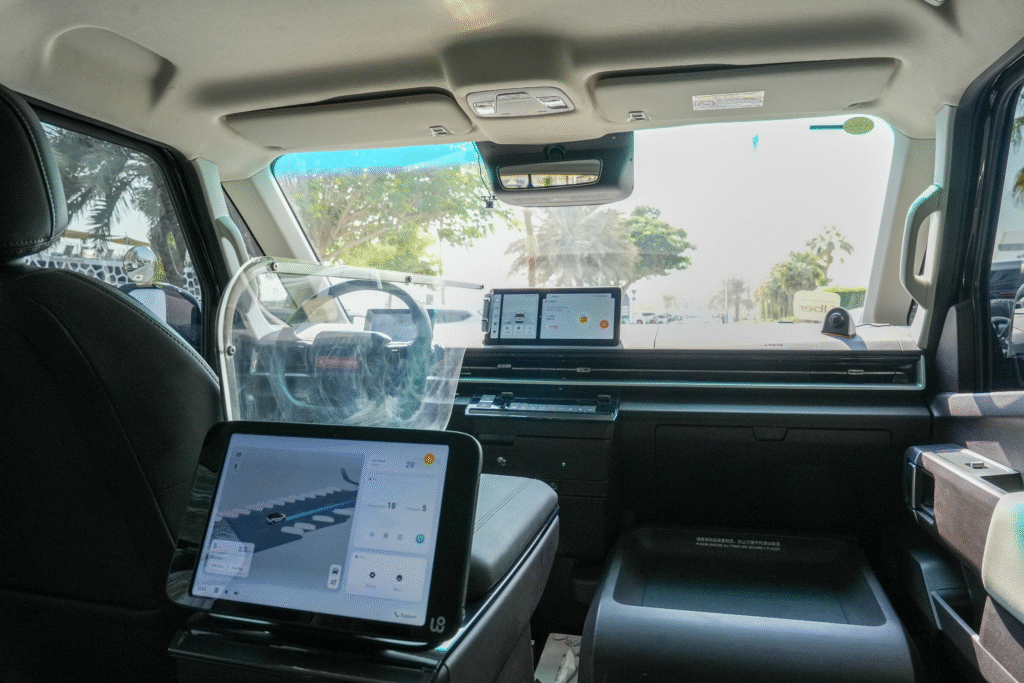
Passengers booking a robotaxi through the Uber app will notice an experience similar to traditional rides but enhanced with futuristic elements. The vehicle arrives without a driver, doors unlock automatically, and the interior provides a calm environment where riders can relax and enjoy the journey. A screen inside displays route details, speed and safety features in real time, giving passengers full transparency and reassurance.
One of the biggest priorities for Uber during the rollout has been safety. Autonomous vehicles undergo rigorous testing before they are approved for public use. In Abu Dhabi, the robotaxis have spent months in controlled trials across various conditions to ensure reliability under different traffic patterns.
These vehicles are designed to make fewer mistakes than human drivers. They maintain ideal distances, follow speed limits precisely and react faster to sudden changes in the environment. This level of consistent performance reduces the likelihood of accidents caused by distraction, fatigue or human error.
Additionally, every robotaxi trip is monitored in real time. If needed, operators can intervene remotely, ensuring an additional layer of control and care. The system is built on the premise of trust, providing passengers with confidence that their safety is being managed through both advanced technology and skilled supervision.
The launch of Uber’s robotaxis represents a transformative moment for the transportation industry in Abu Dhabi. This step not only introduces a new mode of travel but reshapes how people perceive mobility itself. The robotaxis are more than just vehicles; they are symbols of a future that blends technology with convenience.
The arrival of autonomous services will inspire further developments in the region. Other mobility companies are likely to accelerate their plans, creating a ripple effect that drives innovation across the transport ecosystem. From upgraded public transit systems to smart traffic management, this rollout opens the door to a wave of interconnected advancements.
In addition, the move aligns with Abu Dhabi’s long-term goals of reducing congestion and cutting carbon emissions. Autonomous vehicles typically follow optimized routes and drive more efficiently, resulting in lower fuel consumption and reduced environmental impact.
For passengers, the introduction of robotaxis offers a refreshing alternative to traditional rides. The absence of a driver provides a unique experience that feels modern and comfortable. Riders can enjoy personal space, quiet journeys and stress-free travel.
The interior design of Uber’s robotaxis is tailored for convenience. Spacious seating, clean layouts and smart interfaces create a pleasant environment. Passengers can check route details, adjust settings or simply relax while the vehicle takes care of everything else.
For tourists visiting Abu Dhabi, the robotaxis offer an innovative way to explore the city. The combination of smooth ride quality and cutting-edge technology creates a memorable experience that showcases the city’s progressive nature.
Beyond convenience, Uber’s rollout carries significant economic and social implications. The introduction of advanced mobility systems often results in new job opportunities, especially in technology, data monitoring and fleet management. While the vehicles themselves operate autonomously, humans remain essential in overseeing operations, maintaining systems and managing infrastructure.
The move also boosts Abu Dhabi’s global image as a leading city for innovation and forward-thinking policies. By opening its roads to autonomous vehicles, the city demonstrates confidence in its technological capabilities and sends a strong message to international businesses and investors.
Socially, the robotaxis encourage conversations about the future of work, mobility access and smart city planning. They invite people to rethink how commuting can become more inclusive and efficient. Autonomous rides may eventually contribute to improved accessibility for those who rely on consistent, safe transportation options.
The rollout has sparked curiosity and excitement among the people of Abu Dhabi. Many residents see the robotaxis as a positive step toward a technologically advanced lifestyle. The idea of stepping into a vehicle with no driver may feel unfamiliar, but the overall reaction has been enthusiastic.
Some people appreciate the novelty and are eager to try the service out of interest alone. Others are more focused on the practical benefits, such as improved safety and reliable travel times. A portion of the population is watching closely, waiting to see how the robotaxis perform before adapting to the new system. This natural mix of reactions reflects the varying levels of comfort people have with autonomous technology.
Despite the optimism, Uber and Abu Dhabi authorities acknowledge that challenges remain. Autonomous vehicles must adapt to unpredictable human behaviors on the road, such as sudden lane changes or pedestrians crossing unexpectedly. Continuous monitoring and software updates are essential to maintain high standards of safety.
Regulations will also evolve as the technology progresses. Authorities must consider long-term frameworks for operations, insurance, data privacy and emergency protocols. These discussions are ongoing and reflect the complex nature of integrating driverless vehicles into everyday life.
Public awareness campaigns will help residents understand how robotaxis function and what to expect. Education plays a critical role in building trust and encouraging widespread adoption.
The introduction of Uber’s driverless robotaxis offers a clear glimpse into what the future of transportation could look like in Abu Dhabi and beyond. As autonomous technology matures, it may extend across more areas, eventually becoming a common part of urban travel.
Future expansions could include larger fleets, new service zones and integration with public transportation networks. Advanced features such as personal route suggestions, multi-stop rides or eco-mode travel might also become part of the experience.
The robotaxis also pave the way for broader innovations in mobility. Concepts such as autonomous shuttles, delivery bots and smart traffic grids may soon find their place in Abu Dhabi’s evolving urban landscape.
The rollout further strengthens Abu Dhabi’s reputation as a global leader in innovation and advanced transportation. Cities around the world are watching closely to learn from the region’s approach to introducing autonomous vehicles. The combination of strong leadership, supportive regulations and forward-looking infrastructure sets a benchmark for others to follow.
By embracing technology with confidence, Abu Dhabi signals its commitment to shaping a sustainable and intelligent future for its residents and visitors. The partnership with Uber demonstrates how government and private companies can collaborate effectively to bring ambitious visions to life.
The introduction of Uber’s driverless robotaxis in Abu Dhabi is a milestone worth celebrating. It marks the dawn of a new era where cutting-edge technology blends seamlessly with daily life. For the city, it is an opportunity to showcase its innovative spirit, enhance its mobility landscape and provide residents with a smarter, safer way to travel.
As people step into these autonomous vehicles for the first time, they become part of a moment that reflects progress, vision and a shared desire for a better future. Uber’s robotaxis are not just transforming transportation; they are shaping the story of a city that continues to evolve with confidence and clarity.
Do Follow Estate Magazine on Instagram
Read More:- Al Atlal Tower: Discover the Luxurious Lifestyle Awaiting 2025