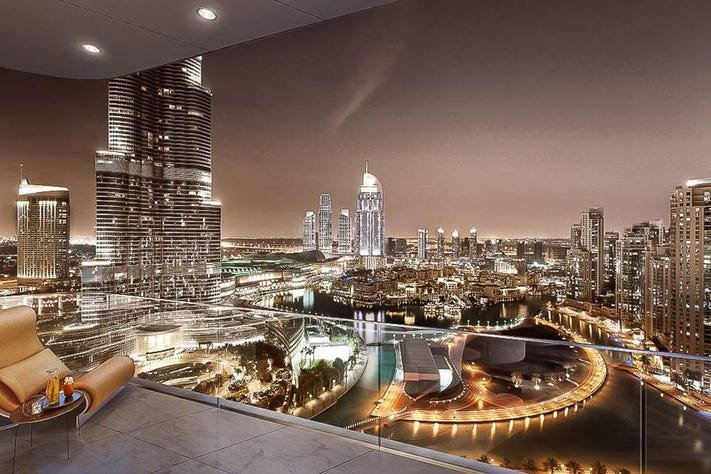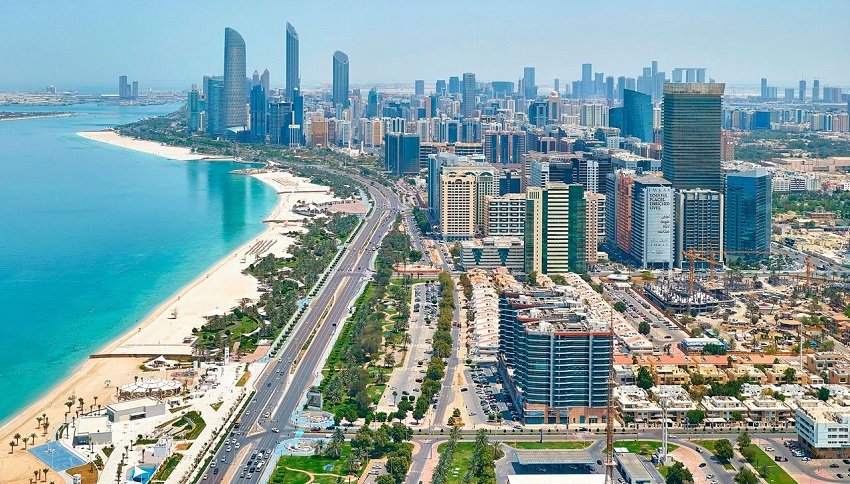
Abu Dhabi real estate boom is one of the hottest topics in the UAE property sector right now. The capital of the UAE is witnessing unprecedented growth in 2025, with a surge in property transactions, record-breaking demand, and futuristic projects that are reshaping the city’s skyline. From branded residences to mega entertainment attractions, Abu Dhabi is firmly establishing itself as a global destination for investors, residents, and tourists alike.
In this article, we explore the five biggest trends driving Abu Dhabi’s real estate boom and why investors worldwide are flocking to the emirate.
Before diving into the trends, it’s important to understand why Abu Dhabi real estate boom is happening in the first place. Several key factors are fueling this growth:
• Strong oil revenues boosting government spending
• Diversification into tourism, tech, and sustainability
• Investor-friendly policies and freehold ownership zones
• Safe, stable environment attracting expats and businesses
• Massive infrastructure and lifestyle projects in the pipeline
These factors have created the perfect environment for real estate to flourish in Abu Dhabi.
One of the most striking features of Abu Dhabi’s property boom is the rise of branded residences. Global hospitality giants and luxury brands are teaming up with developers to create residences that combine five-star hotel services with private ownership.
Imagine living in a home designed by a world-famous fashion label or managed by an international hotel chain. These residences offer concierge services, private pools, fine dining, and exclusive access to brand experiences.
Projects like these are not only attracting wealthy buyers but also foreign investors who view branded properties as status symbols and secure long-term assets. With Dubai already leading in this segment, Abu Dhabi is quickly catching up and even setting new benchmarks.
The Abu Dhabi real estate boom is also being fueled by a shift toward sustainable living. Buyers and developers are increasingly focusing on eco-friendly designs, renewable energy, and green community planning.
Key initiatives include:
• Solar-powered homes and smart energy systems
• Green building certifications like LEED and Estidama
• Communities with bicycle lanes, walkways, and open green spaces
• Water-saving technologies and recycling systems
Masdar City, Abu Dhabi’s pioneering eco-city, has been a global example of sustainable development. In 2025, newer projects across the emirate are following similar principles, making Abu Dhabi a leader in sustainable real estate in the Middle East.
Few things capture global attention like the announcement of Disneyland Abu Dhabi. While details are still being finalized, the project is expected to be a game-changer for tourism, entertainment, and real estate.
Why does this matter for property investors? Mega attractions bring millions of visitors annually, creating demand for nearby hotels, serviced apartments, retail spaces, and residential communities. Just like Yas Island was transformed by Ferrari World, Warner Bros World, and Yas Waterworld, a Disneyland Abu Dhabi will likely spark a real estate boom in its surrounding areas.
Families looking for long-term homes, investors seeking short-term rental income, and businesses targeting tourists will all benefit from this mega project.
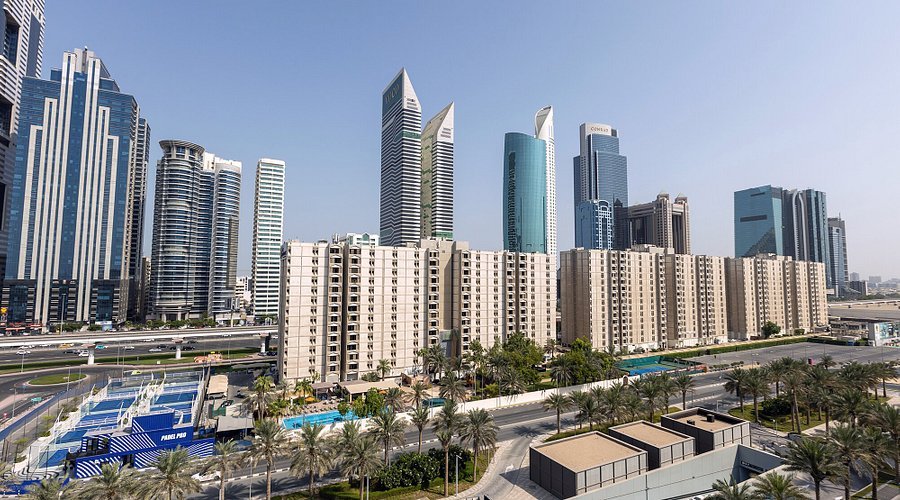
Transportation is a key driver of real estate growth, and Abu Dhabi is at the cutting edge with its push toward air taxis and futuristic mobility solutions. By 2026, the emirate aims to launch the region’s first commercial air taxi service, reducing travel time across the city to minutes.
This innovation will reshape the real estate map. Areas once considered “far” from the city center may suddenly become prime residential zones due to fast connectivity. Developers are already planning projects around mobility hubs, anticipating the lifestyle changes these technologies will bring.
For investors, this trend opens up opportunities in emerging neighborhoods that will become tomorrow’s hot spots once air taxis take flight.
The Abu Dhabi real estate boom is also being powered by demand for integrated lifestyle communities. Modern buyers want more than just a house — they want a lifestyle. This means communities that include schools, healthcare centers, malls, sports facilities, parks, and entertainment options all within walking distance.
Notable projects include:
• Saadiyat Grove – A cultural and residential hub near the Louvre Abu Dhabi
• Yas Acres – A golf and family lifestyle community on Yas Island
• Reem Island – A blend of high-rise living with retail and leisure spaces
• Al Reem Downtown – Future developments combining work, play, and living
Such projects appeal to both end-users and investors because they guarantee steady demand and long-term value appreciation.
While Dubai has long been the star of UAE real estate, Abu Dhabi is quickly narrowing the gap. Let’s compare the two:
| Factor | Dubai | Abu Dhabi |
|---|---|---|
| Property Prices | Higher | Moderate |
| Rental Yields | 5-7% | 6-8% |
| Lifestyle | Glamorous & fast-paced | Cultural & family-friendly |
| Freehold Areas | Extensive | Expanding steadily |
| Mega Projects | Expo City, Palm Jebel Ali | Saadiyat, Yas, Disneyland Abu Dhabi |
Investors who feel they missed the early boom in Dubai are now seeing Abu Dhabi as the next big growth story.
The Abu Dhabi real estate boom presents several opportunities:
• Off-plan properties with flexible payment plans and high appreciation potential
• Short-term rentals near tourist hotspots like Yas Island and Saadiyat
• Branded residences offering premium value and exclusivity
• Green communities appealing to eco-conscious buyers
• Emerging zones connected to new transport hubs and air taxi services
With strong government support, low taxes, and a growing global profile, Abu Dhabi is well-positioned to deliver long-term returns.
Of course, no market is without risks. Investors should be mindful of:
• Oversupply in certain segments if too many projects launch simultaneously
• Dependence on oil prices, which still influence overall economic growth
• Rapidly changing regulations that may affect foreign ownership or rental rules
• Global economic uncertainties impacting investor confidence
That said, Abu Dhabi’s strong financial reserves and diversification strategy make it more resilient than many global markets.
Analysts forecast that the Abu Dhabi real estate boom will continue throughout 2025 and beyond, with annual transaction growth expected to exceed 30%. Property prices are predicted to rise steadily, particularly in branded residences, waterfront communities, and neighborhoods near mega attractions.
Long-term, the city is positioning itself as a global hub for sustainable living, luxury experiences, and future-forward infrastructure. By 2030, experts believe Abu Dhabi could rival or even surpass Dubai as the UAE’s real estate powerhouse.
The Abu Dhabi real estate boom in 2025 is more than a short-term trend. It’s a transformation driven by luxury branding, sustainability, mega attractions, futuristic transport, and lifestyle-focused communities. Together, these five trends are reshaping the emirate into a world-class real estate market.
For investors, the message is clear: Abu Dhabi is not just following Dubai’s footsteps -it’s creating its own path. Those who invest today could reap significant rewards in the coming years as the emirate cements its place on the global property stage.
Follow us on: Instagram
Read More:-Sharjah Real Estate Trends 2025: High Returns for Investors