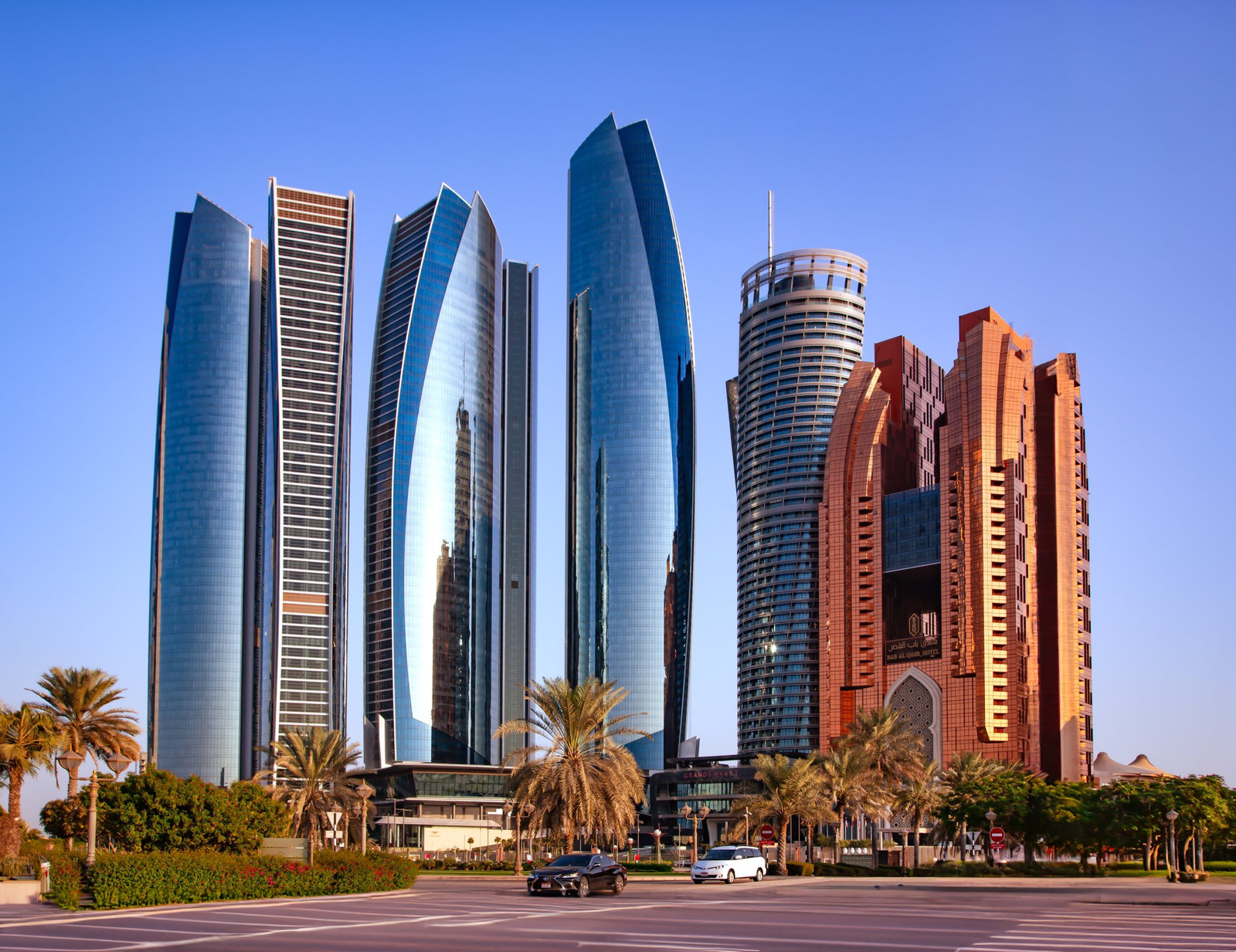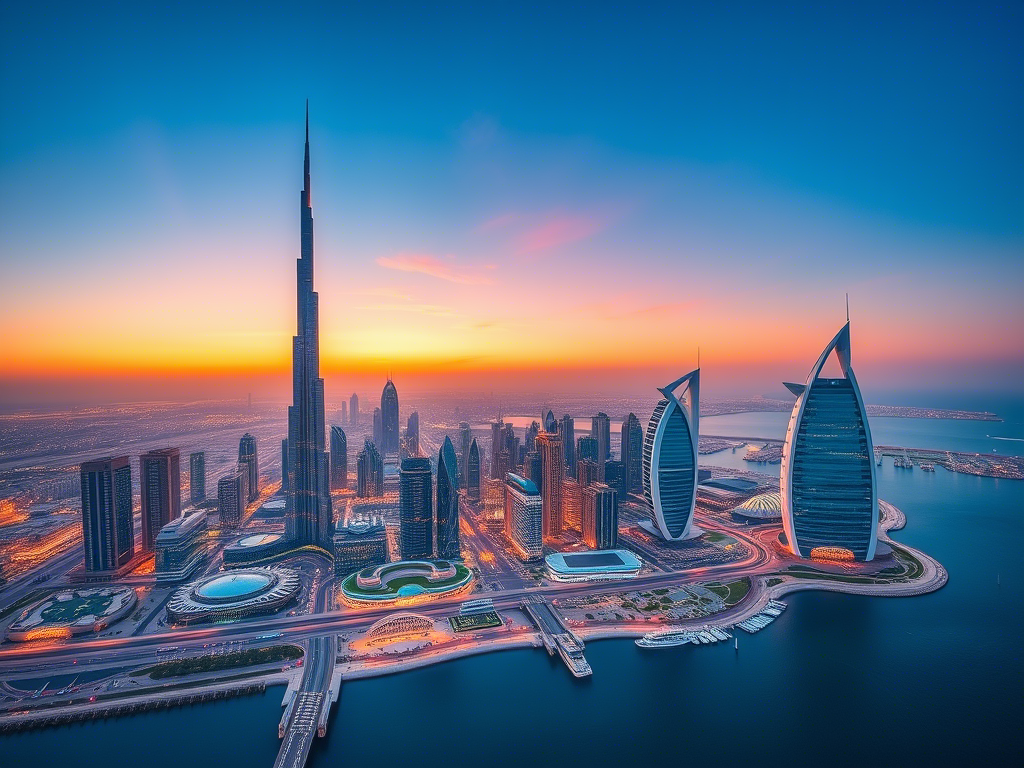
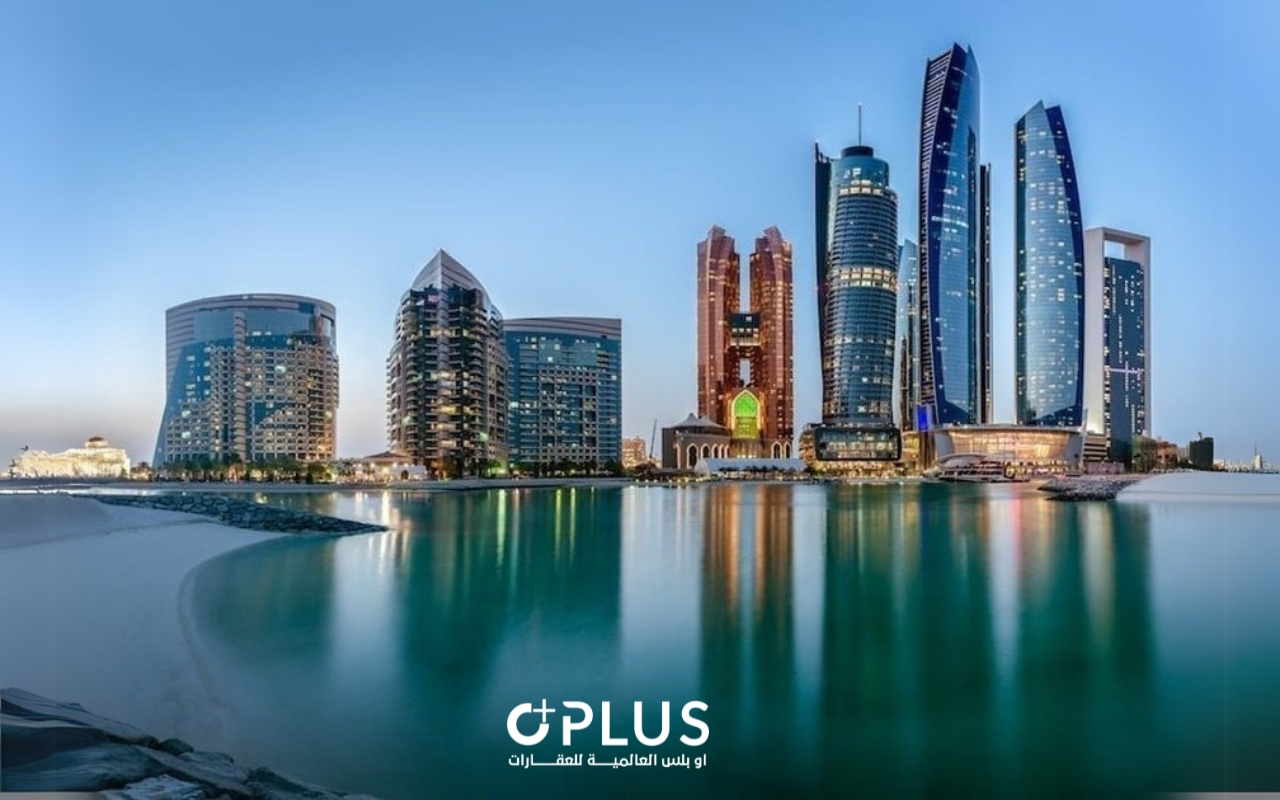
The Abu Dhabi real estate market is on the brink of an exciting transformation as we approach 2026. With a booming economy and an influx of international investments, the city is poised for substantial growth and diversification. This article explores the dynamics shaping the Abu Dhabi real estate market and the myriad of opportunities on the horizon.
As of now, Abu Dhabi’s real estate market is characterized by a blend of luxury developments and affordable housing options. The government has placed a strong emphasis on diversifying the economy away from oil reliance, which has led to an increase in tourism and business investments. This shift has created a fertile ground for real estate growth.
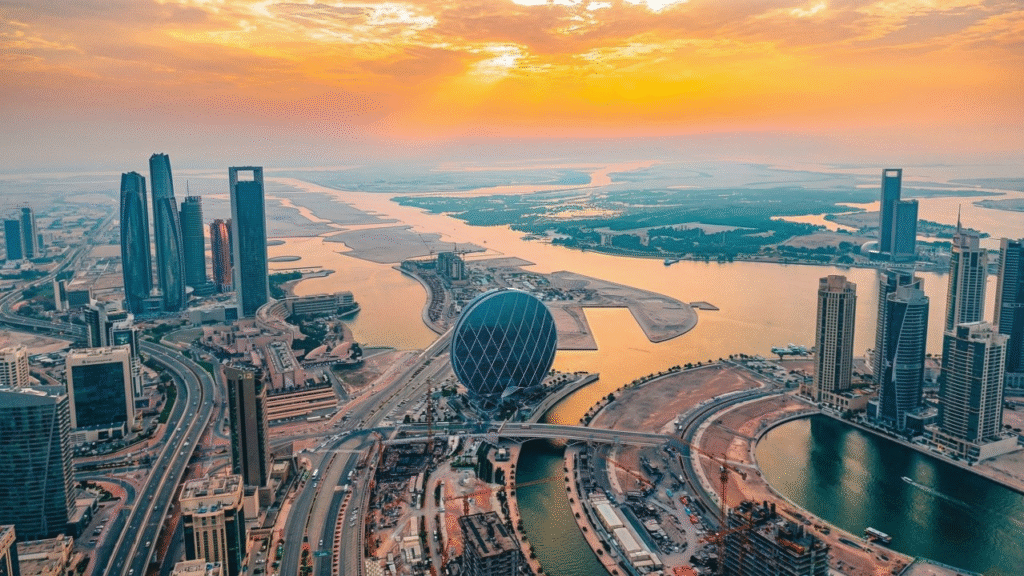
The city’s strategic location, coupled with world-class infrastructure, has attracted both local and international investors. Major developments such as Saadiyat Island and Yas Island are gaining traction, showcasing Abu Dhabi’s commitment to creating vibrant communities that cater to a diverse population.
Several factors are expected to propel the Abu Dhabi real estate market forward by 2026. Understanding these dynamics is crucial for investors and stakeholders alike.
Abu Dhabi’s government is actively promoting economic diversification through initiatives such as the Economic Vision 2030. This plan aims to reduce the emirate’s dependence on oil revenues by fostering sectors like tourism, finance, and technology. As these sectors grow, the demand for real estate will naturally follow, leading to increased opportunities for investment.
Major infrastructure projects are underway, enhancing connectivity and accessibility within the city. The expansion of the Abu Dhabi International Airport and improvements to public transport systems are set to make the emirate more appealing to potential residents and businesses. Such developments will undoubtedly influence the real estate market by boosting demand for both residential and commercial properties.
The population of Abu Dhabi is projected to grow steadily, driven by an influx of expatriates and a burgeoning workforce. This growth will create a higher demand for housing, retail spaces, and commercial facilities. Urbanization trends also indicate a shift towards mixed-use developments that cater to evolving lifestyle preferences, making the real estate market increasingly attractive.
As we look towards 2026, numerous opportunities are emerging within the Abu Dhabi real estate sector. Investors and developers should consider these areas for potential growth.
The luxury real estate segment in Abu Dhabi is thriving. High-net-worth individuals are increasingly drawn to unique, high-end properties that offer exceptional amenities and stunning views. Projects that incorporate sustainability and innovation will likely stand out and attract discerning buyers seeking a premium lifestyle.
Amidst the luxury boom, there is also a pressing need for affordable housing. The government has recognized this gap and is encouraging developers to create cost-effective housing solutions. Investing in these projects not only aligns with government goals but also addresses the needs of a significant portion of the population.
The commercial sector is seeing a resurgence as businesses look to establish a presence in Abu Dhabi. With the rise of co-working spaces and flexible office solutions, there is an opportunity for developers to create modern commercial properties that cater to the changing needs of businesses.
Technology is revolutionizing the Abu Dhabi real estate market. Innovations such as smart home technology, virtual reality tours, and blockchain for property transactions are becoming commonplace. These advancements enhance the buying and renting experience, making it more efficient and user-friendly.
Sustainability is at the forefront of modern real estate development. Abu Dhabi is committed to eco-friendly initiatives, and developers are increasingly incorporating green building practices into their projects. This trend not only appeals to environmentally conscious buyers but also aligns with the emirate’s long-term sustainability goals.
Government policies play a crucial role in shaping the Abu Dhabi real estate market. Initiatives aimed at attracting foreign investment, such as the introduction of long-term visas for expatriates and relaxed ownership laws, create a more favorable environment for real estate investment.
Moreover, the establishment of free zones encourages businesses to set up operations in Abu Dhabi, further stimulating the demand for commercial properties.
The Abu Dhabi real estate market in 2026 promises significant growth and numerous opportunities for investors, developers, and residents alike. With a focus on economic diversification, infrastructure development, and sustainable living, the emirate is well-positioned to thrive in the coming years.
For those looking to invest or enter the market, understanding these trends and opportunities will be essential for making informed decisions. The future of the Abu Dhabi real estate market is bright, and those who seize the moment will reap the rewards.
Do Follow Estate Magazine on Instagram
Read More:- Abu Dhabi Rental Market Today: 9 Powerful Facts Tenants Can’t Ignore