
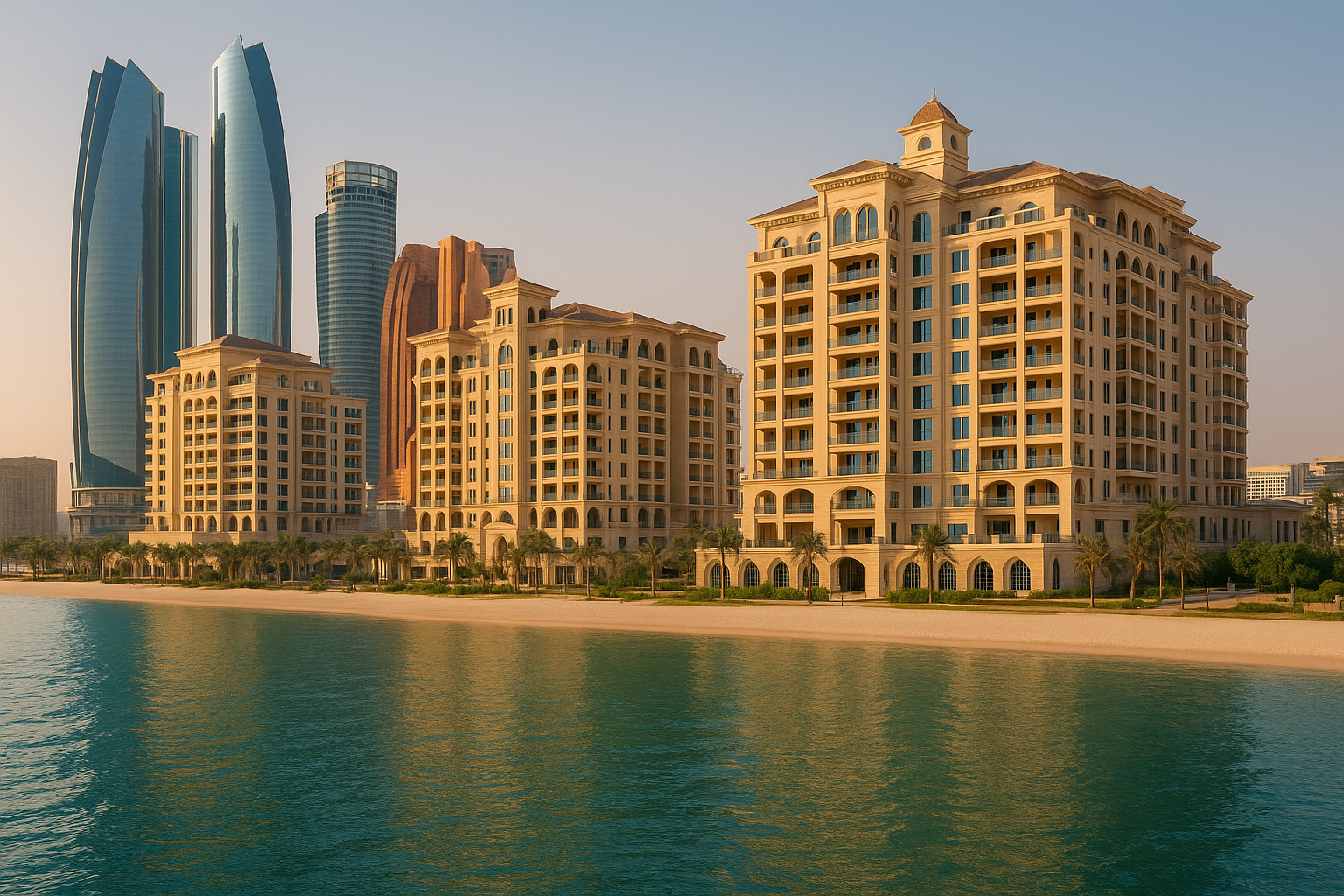
Abu Dhabi is redefining how real estate markets should function in a fast-moving, high-value global economy. As property demand rises and international attention intensifies, the emirate has introduced what many are calling a new real estate gatekeeper a strengthened regulatory framework designed to balance growth with transparency, investor protection, and long-term stability.
This move is not about slowing development. It is about guiding it. By tightening oversight while encouraging high-quality investment, Abu Dhabi is positioning itself as one of the world’s most trusted real estate destinations.
At its core, a real estate gatekeeper is a system, authority, or regulatory structure that controls market entry, monitors transactions, and ensures compliance with clear rules. In Abu Dhabi’s case, this gatekeeping role is built around stricter licensing, clearer project approvals, better escrow management, and stronger accountability across developers, brokers, and investors.
Rather than reacting to problems after they appear, the new approach focuses on prevention. It aims to stop underqualified operators, misleading practices, and speculative risks before they affect buyers or tarnish market confidence.
Real estate in Abu Dhabi has entered a new phase. Large-scale masterplanned communities, luxury waterfront developments, branded residences, and long-term residency incentives have attracted both regional and international investors.
With this growth came new challenges. Investors needed more clarity. Buyers wanted stronger protections. Developers sought predictable rules. Authorities recognized that maintaining trust would be just as important as launching new projects.
The result is a proactive regulatory vision one that understands that sustainable growth depends on credibility as much as ambition.

Under the new framework, developers are subject to more rigorous qualification and approval processes. Financial strength, project feasibility, delivery timelines, and past performance now play a larger role in determining who can bring projects to market.
This shift discourages speculative launches and encourages well-planned developments backed by real capability. For buyers, it means fewer surprises and greater confidence that projects will be delivered as promised.
Real estate brokers serve as the primary interface between buyers and the market. Abu Dhabi’s gatekeeping model strengthens broker licensing, training, and compliance requirements to ensure professionalism across the sector.
This encourages ethical conduct, accurate marketing, and responsible sales practices. It also helps weed out unlicensed intermediaries who can damage market trust and create legal disputes.
One of the most reassuring aspects for investors is enhanced control over buyer funds. Escrow mechanisms are structured to ensure that money collected from buyers is used strictly for project development.
By closely monitoring payment flows and construction progress, regulators reduce the risk of stalled projects and financial mismanagement, offering greater peace of mind to both homebuyers and institutional investors.
Abu Dhabi is increasingly relying on digital systems to act as its modern gatekeeper. Unified property platforms streamline registration, transfers, approvals, and compliance checks within a single ecosystem.
Digital visibility reduces errors, speeds up transactions, and creates a transparent trail for every property deal.
Advanced data analytics now play a growing role in monitoring supply, demand, pricing trends, and transactional risks. This helps authorities anticipate overheating segments, identify irregular practices, and intervene early when needed.
For investors, this data-backed oversight signals a mature market that is being actively managed rather than left to chance.
The immediate impact of stronger gatekeeping is improved trust. Investors especially first-time international buyers — are more likely to enter markets where rules are clear and enforced consistently.
Abu Dhabi’s approach sends a strong message: growth is welcome, but only when it aligns with transparency and accountability.
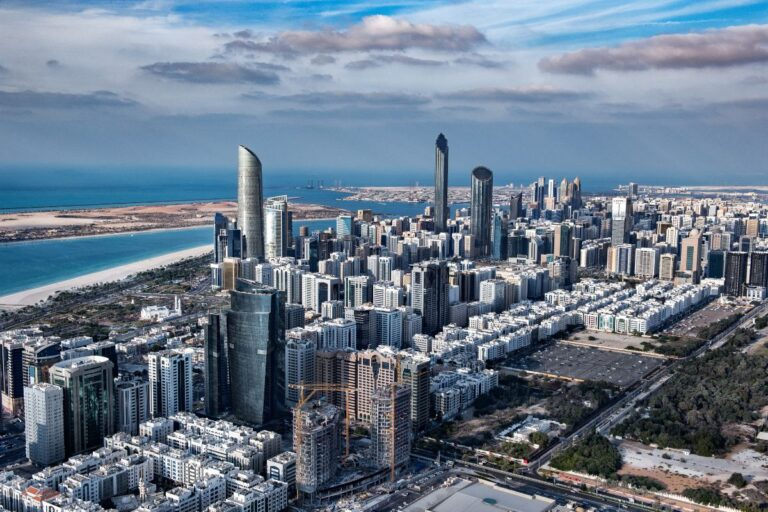
By setting higher entry standards and tighter compliance checks, the emirate naturally favors long-term investors over speculative players seeking quick exits.
This results in more stable pricing, healthier demand cycles, and communities built for lasting occupancy rather than short-term flipping.
Developers operating in Abu Dhabi are increasingly incentivized to focus on design quality, build standards, and community value instead of rapid project launches.
While this may increase planning requirements, it ultimately strengthens the reputation of developers who deliver consistently and responsibly.
Clear gatekeeping also benefits developers. When regulations are predictable and fairly enforced, companies can plan better, manage risks effectively, and align projects with long-term urban goals.
This stability is essential for attracting global development partners and institutional capital.
Buyers now have access to clearer project information, verified listings, and structured contracts. This reduces uncertainty and helps buyers make informed decisions without relying solely on marketing claims.
Strong upfront regulation often means fewer disputes later. By filtering projects and professionals at the entry level, the system minimizes conflicts related to delays, misrepresentation, or unclear ownership structures.
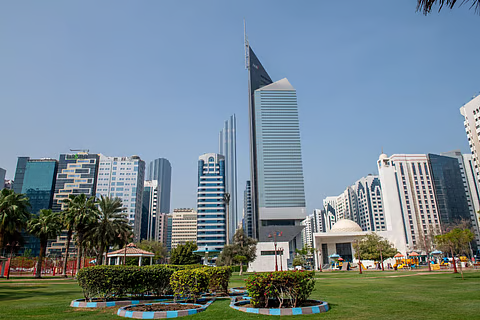
Abu Dhabi’s real estate gatekeeper is not operating in isolation. It aligns closely with the emirate’s broader economic vision, which emphasizes sustainable diversification, global competitiveness, and high quality of life.
Real estate is seen not just as an investment asset but as a foundation for vibrant communities, global talent attraction, and economic resilience.
Many mature property markets around the world rely on strong regulatory gatekeeping to maintain stability. Abu Dhabi’s evolving framework draws lessons from these markets while tailoring them to local conditions.
The result is a hybrid system firm where it needs to be, flexible where innovation and growth are encouraged.
One challenge will be ensuring that enhanced oversight does not slow down legitimate development. Authorities will need to strike a balance between thorough checks and efficient approvals.
Markets evolve, and so must regulators. Abu Dhabi’s gatekeeper model is expected to adapt over time, incorporating new technologies, feedback from stakeholders, and global trends in property governance.
Abu Dhabi’s new real estate gatekeeper represents a defining shift from rapid expansion to measured, sustainable excellence. It reflects confidence in the market’s maturity and a commitment to protecting its future rather than chasing short-term gains.
By prioritizing transparency, accountability, and long-term value, the emirate is not closing doors — it is opening the right ones. For investors, developers, and residents alike, this gatekeeping approach signals a real estate market built not just for today’s opportunities, but for generations to come.
Do Follow Estate Magazine on Instagram
Read More:- Palm Jumeirah Sees Powerful 2-Fold Ultra-Luxury Crown Garden Villa Boom