
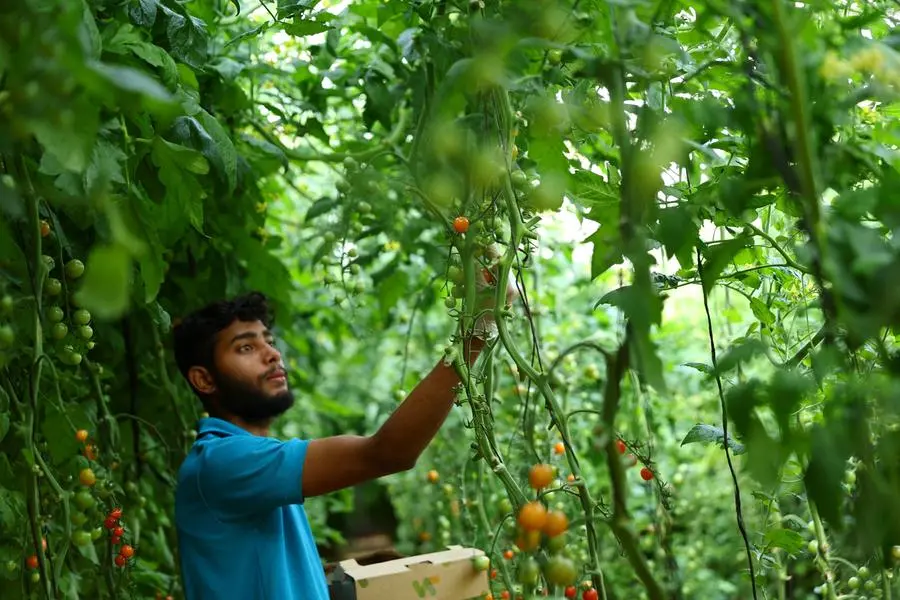
In a world that increasingly recognizes the importance of sustainability and resilience, agriculture and food security strategies stand out as pivotal elements shaping business landscapes. The intersection of these strategies with commerce is creating unique opportunities for entrepreneurs, investors, and corporations alike. Understanding how agriculture and food security strategies are driving business deals can unveil potential growth avenues and foster innovative partnerships.
As global populations rise and climate change impacts food production, the agricultural sector is undergoing significant transformations. Food security has emerged as a pressing concern, influencing everything from government policies to corporate strategies. Businesses that align with agricultural and food security initiatives not only contribute to societal well-being but also position themselves advantageously in competitive markets.
Investors are increasingly drawn to sustainable agricultural practices, recognizing their long-term viability. The focus on food security is not merely altruistic; it is a strategic business imperative. By investing in agriculture, companies can tap into emerging markets and participate in the global response to food scarcity.
The landscape of business deals is evolving as awareness of food security grows. Companies are forging partnerships that prioritize agricultural innovation, leading to agreements that reflect shared values and goals.
Organizations now seek collaborations that enhance food production efficiency, reduce waste, and promote sustainable practices. These partnerships often encompass technology transfer, research collaboration, and joint ventures aimed at developing solutions to food insecurity.
For instance, tech companies are increasingly stepping into the agricultural domain, providing cutting-edge solutions that optimize farming practices. Precision agriculture, which utilizes data analytics and IoT technologies, is reshaping the industry and driving business deals that were once considered unconventional.
Innovation is a key driver in the intersection of agriculture and food security strategies. Businesses that leverage technological advancements are not only enhancing productivity but also creating new market opportunities. The development of genetically modified organisms (GMOs), vertical farming, and hydroponics are just a few examples of how innovation is revolutionizing the agricultural sector.
These advancements not only increase crop yields but also appeal to consumers who prioritize sustainability. Businesses that adopt these strategies can differentiate themselves in a crowded marketplace. As a result, they often find themselves in a stronger position to negotiate favorable business deals that align with modern consumer values.
Supply chain resilience is critical in the current global landscape. Agricultural and food security strategies emphasize the need for robust supply chains that can withstand disruptions caused by environmental factors or geopolitical tensions. Businesses are recognizing that investing in resilient supply chains is not just a safety measure but a strategic advantage.
By collaborating with local farmers and investing in sustainable practices, companies can mitigate risks associated with food supply disruptions. This approach not only secures a reliable supply of agricultural products but also fosters community relationships and enhances brand loyalty. As businesses build these resilient supply chains, they are more likely to engage in strategic partnerships that drive long-term success.
Consumer demand plays a significant role in how agriculture and food security strategies influence business deals. With a growing awareness of health, sustainability, and ethical sourcing, consumers are steering businesses toward more responsible practices. Companies that respond to these demands find themselves in a prime position to negotiate favorable deals that align with consumer preferences.
Businesses that prioritize transparency in their supply chains and demonstrate a commitment to sustainability often attract investment and partnership opportunities. As consumers increasingly support brands that reflect their values, companies that embrace agriculture and food security strategies can harness this momentum to drive business success.
Examining real-world examples can highlight the effectiveness of aligning agriculture and food security strategies with business deals.
One notable case is the collaboration between a tech startup and a large agricultural firm focused on developing an app that connects farmers with consumers. This innovative platform not only enhances food security by reducing food waste but also creates a new revenue stream for farmers. Such collaborations exemplify how integrating technology with agricultural practices can result in successful business ventures.
Another example involves food companies that invest in sustainable farming initiatives. By partnering with local farmers to source ingredients ethically, these companies not only ensure a steady supply of quality products but also enhance their brand image. This strategy has led to increased consumer trust and loyalty, ultimately resulting in profitable business deals.
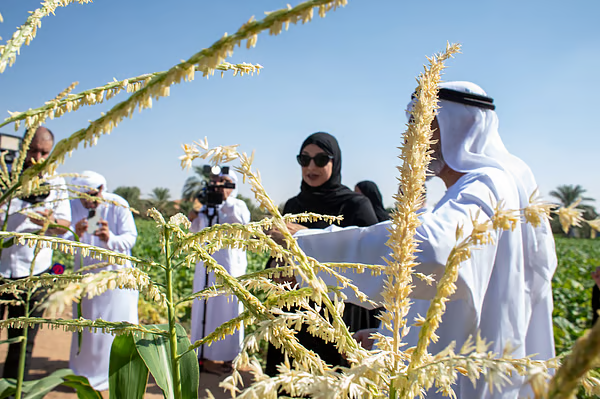
Looking ahead, the future of agriculture and food security strategies indicates a continued emphasis on innovation and collaboration. As global challenges persist such as climate change, resource scarcity, and population growth—businesses must adapt and evolve.
Emerging trends such as regenerative agriculture, aquaponics, and blockchain technology in supply chain management are likely to reshape how businesses approach agriculture. Companies that proactively engage with these trends will not only stay ahead of the curve but also position themselves as leaders in sustainable practices.
Furthermore, as governments and organizations worldwide place greater emphasis on food security, businesses that align their strategies with these initiatives will find themselves at the forefront of new opportunities. By prioritizing long-term sustainability and food security, entrepreneurs can create significant business deals that contribute to global well-being.
In summary, agriculture and food security strategies are fundamentally transforming the business landscape. As companies recognize the importance of these strategies in driving sustainable practices, innovative partnerships, and consumer loyalty, they are increasingly engaging in business deals that reflect this alignment.
By prioritizing agricultural innovation, building resilient supply chains, and responding to consumer demand, businesses can leverage agriculture and food security strategies for long-term growth. This intersection is not just a trend; it represents a crucial evolution in how businesses operate in a rapidly changing world.
Do Follow Estate Magazine on Instagram
Read More:- UAE Business Revolution to Attract Foreign Capital 2026