In today’s world, water has become one of the most valuable resources. Bills Across cities and towns, families are facing rising utility bills and, at the same time, water shortages are becoming more common. The good news is that saving water not only helps the environment but also reduces monthly household expenses. By making small, smart changes, anyone can save hundreds of liters of water and cut down their bills significantly.
This article explores simple ways to save water at home, why it is important, and how it benefits both families and the planet.
Water scarcity is no longer a distant problem. According to the United Nations, nearly 2 billion people worldwide live in areas facing water stress. With climate change, rapid urban growth, and increasing demand, the pressure on water supplies is rising every year.
At the household level, wasting water has a direct impact on finances. A dripping tap, for example, can waste up to 20 liters of water a day. Over a month, that is enough to fill several buckets—and it adds up on your bill.
By using water wisely, households can:
You do not need big investments or complex systems to save water. Small lifestyle changes and affordable tools can make a huge difference.
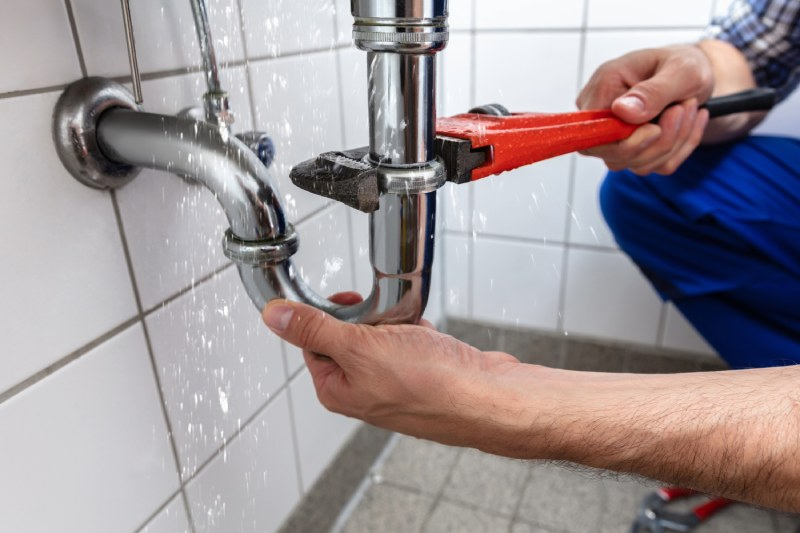
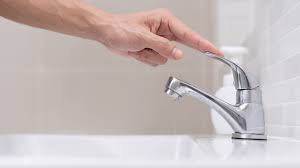
Leaky taps and pipes are silent bill-raisers. A single leaking faucet can waste over 6,000 liters per year. Repairing leaks quickly ensures water is not being wasted and bills stay under control.
Modern low-flow showerheads and faucets reduce water use without affecting pressure. Many families report saving up to 40% on water usage with these simple devices.
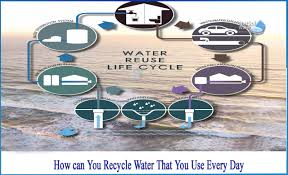
Water from washing vegetables can be used to water plants. Similarly, leftover drinking water can go into cleaning instead of being poured down the drain. These small reuses reduce daily wastage.
Washing machines and dishwashers with high energy and water ratings consume far less water. For example, a water-efficient washing machine can save up to 50 liters per cycle compared to older models.
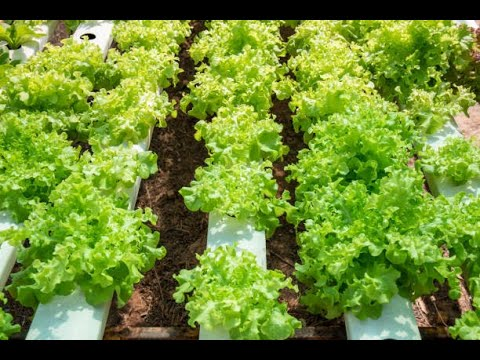
Outdoor water use is often higher than indoor use. Simple techniques like drip irrigation, watering plants early in the morning, and using mulch to retain soil moisture can save a great deal of water.

A long shower uses more water than many people realize. Reducing shower time by just two minutes can save up to 15 liters per shower. Over a month, this adds up to significant savings.
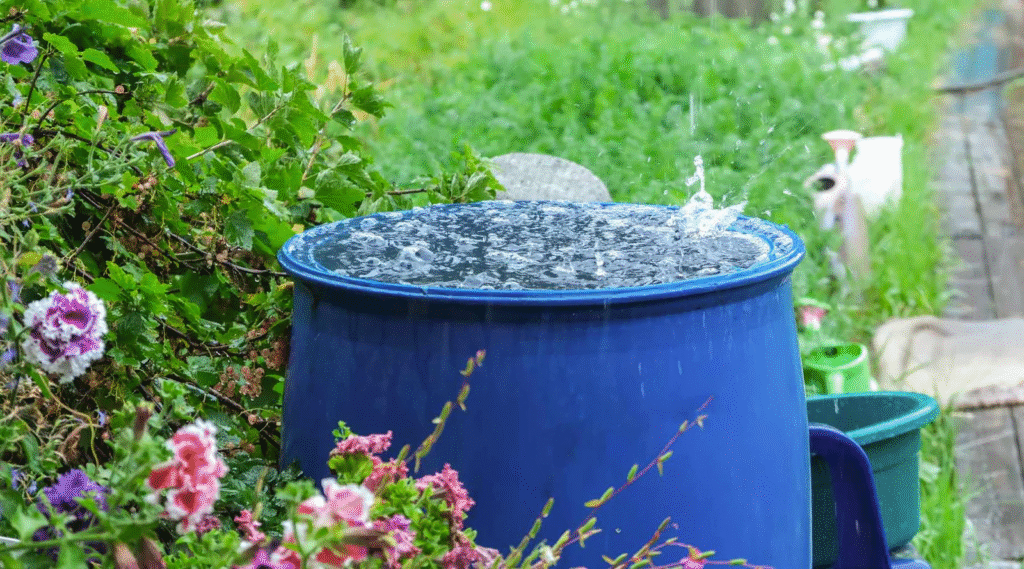
In many regions, harvesting rainwater is legal and encouraged. Stored rainwater can be used for gardening, cleaning outdoor areas, and even flushing toilets.
Saving water is not just good for the environment it is also a smart financial decision. For families, reducing daily water use means lower utility bills. In cities where water and electricity are billed together, using less water also reduces energy costs.
For example:
Families that adopt water-saving habits often report 10–30% reductions in utility bills within a few months.
Beyond financial savings, saving water is part of a bigger responsibility protecting the planet. Every liter of water saved helps reduce the energy needed for treatment and distribution. This means fewer carbon emissions and a smaller household footprint.
Many governments and local councils are also encouraging citizens to save water by offering rebates on water-efficient appliances. Schools and community groups are running awareness drives, highlighting the message that water is a shared resource, not just a household utility.
Teaching children the importance of water conservation is key. Families can make water-saving fun by introducing small challenges, such as:
Such activities create awareness and make conservation a natural part of daily life.
Saving water and reducing bills is not a complicated task. By making small, consistent changes, every household can enjoy lower expenses while contributing to a healthier planet. It is a win-win situation where both families and the environment benefit.
So, the next time you notice a dripping tap or let water run unnecessarily, remember you are not just wasting water, you are also adding to your bills. Start today, and the results will reflect not only on your utility statement but also in the satisfaction of knowing you are doing your part.
READ MORE:- Shobha Realty Launches Its Most Luxurious Project Yet—Full Details Inside 2025