The luxury retail leasing market has entered a golden era, driven by global affluence, tourism recovery, and the experiential shopping trend. Luxury brands are no longer simply selling products; they’re curating emotions and stories within immersive spaces. From Paris’s Avenue Montaigne to Dubai Mall’s Fashion Avenue, high-end retailers are racing to secure prime spots that elevate their brand presence and consumer engagement.
This surge is not limited to traditional fashion capitals. Emerging markets like Dubai, Singapore, and Miami are witnessing a record-breaking demand for retail leases by international luxury houses. The focus is shifting toward creating flagship stores that double as cultural landmarks and lifestyle destinations, ensuring the brand experience extends far beyond the purchase.
In luxury retail, location is everything. Brands like Louis Vuitton, Cartier, and Chanel understand that the right address carries as much prestige as the product itself. Iconic streets, luxury malls, and heritage districts remain the heart of this market because of their ability to draw the right clientele—affluent consumers seeking exclusivity and convenience.
Moreover, transportation accessibility plays a vital role. High-net-worth shoppers favor destinations that are seamlessly connected to five-star hotels, fine dining, and cultural venues. As cities invest heavily in infrastructure, new luxury zones are being born around transport hubs and waterfronts, attracting both global tourists and local elites.
Retail leasing in luxury corridors has become an art of positioning. Brands are willing to pay premium rents for visibility, foot traffic, and association with neighboring prestigious labels. In essence, proximity to other luxury players amplifies brand credibility and creates a collective draw for customers.
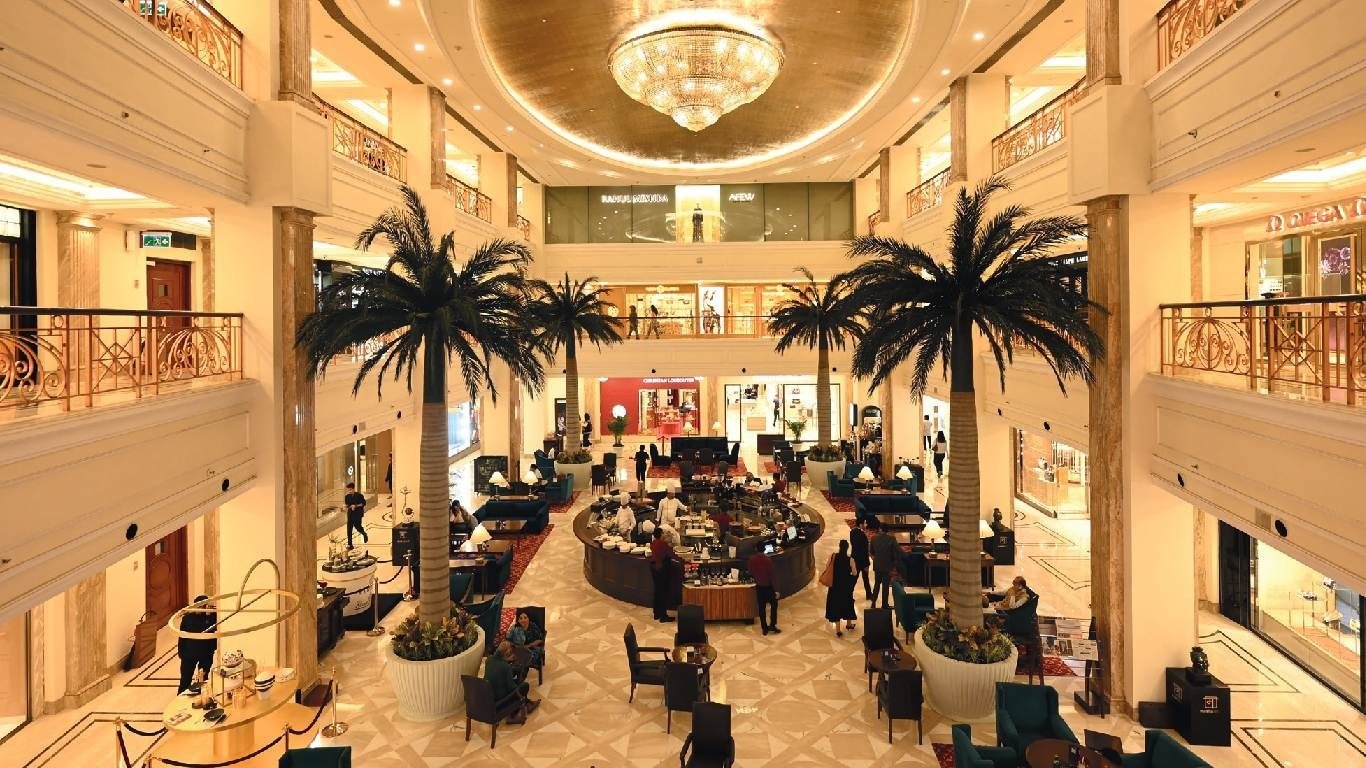
Gone are the days when luxury stores were merely sales points. Today, they’re immersive storytelling spaces that combine art, technology, and hospitality. Retail leasing strategies now prioritize layouts that can accommodate digital installations, private lounges, and pop-up experiences.
Luxury brands are investing heavily in creating emotional connections through architectural innovation. For instance, flagship stores increasingly incorporate natural light, sustainable materials, and curated art pieces to mirror the brand’s values. This shift also reflects how luxury consumers are evolving—they crave authenticity, personalization, and a sense of belonging.
Experiential retailing also leads to longer dwell times, higher brand loyalty, and social media amplification. Every detail—from scent to sound—is meticulously designed to reinforce brand identity and enhance the sensory journey.
Luxury brands don’t choose retail locations on impulse. Every leasing decision is influenced by a blend of economic, demographic, and cultural indicators.
Some of the top factors include:
Landlords, on the other hand, seek tenants who enhance the prestige of their property. A luxury tenant mix not only increases the value of a development but also ensures steady visitor engagement.

For luxury retailers, flagship stores are more than just commercial outlets—they’re brand temples. These expansive, high-concept locations often serve as a stage for exclusive events, celebrity collaborations, and limited-edition product launches.
Flagship leasing has become a cornerstone of brand strategy, especially as online shopping grows. While e-commerce delivers convenience, it can’t replicate the sensory experience of a flagship visit. The tactile interaction with materials, the architecture, and the ambiance leave an impression that deepens emotional loyalty.
Cities like Tokyo, Paris, and New York are witnessing a new wave of “flagship evolution,” where traditional retail merges with hospitality. Think private salons, cafes, and concierge services—all designed to keep customers within the brand ecosystem longer.
Luxury brands are increasingly drawn to mixed-use developments—projects that combine retail, residential, hospitality, and entertainment elements. These dynamic environments reflect the modern consumer lifestyle, where shopping seamlessly blends with dining, leisure, and cultural exploration.
Developers now collaborate with architects and brand consultants to design spaces that align with luxury aesthetics. Sustainability is also a growing priority, with LEED-certified structures and energy-efficient lighting becoming the new standard.
Mixed-use destinations like Hudson Yards in New York and The Dubai Mall have shown how integrating luxury retail into urban ecosystems creates vibrant, profitable environments that cater to both residents and global visitors.
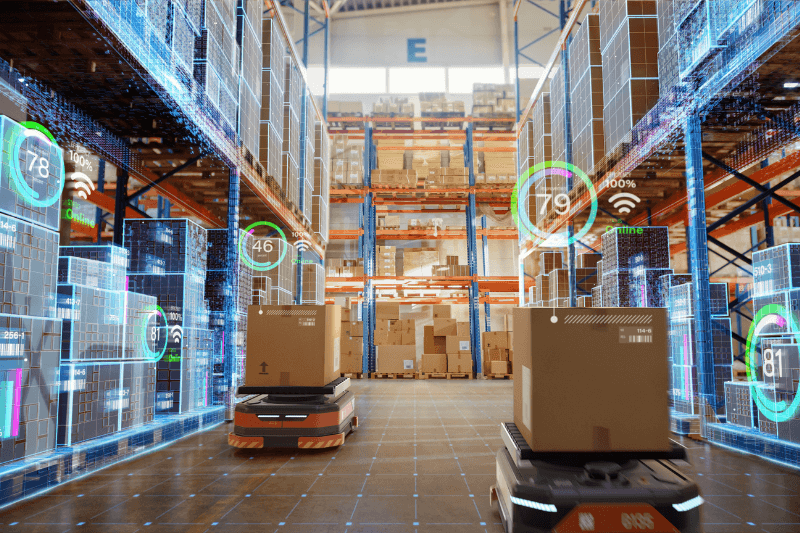
Digital transformation is reshaping the luxury retail landscape. Brands now use advanced data analytics to identify potential store locations based on customer demographics, traffic heatmaps, and purchasing behaviors.
Smart leases, powered by IoT (Internet of Things) technology, allow real-time monitoring of footfall and energy consumption, helping tenants make informed operational decisions. Virtual reality (VR) and augmented reality (AR) tools also aid in pre-lease visualization, enabling brands to design and test store layouts before signing contracts.
Moreover, omnichannel integration is influencing space design. Stores are now expected to function as both showrooms and fulfillment centers, supporting same-day deliveries and online order pickups. The leasing market has adapted by offering modular, tech-ready spaces that support this hybrid model.
The luxury retail leasing sector has demonstrated remarkable resilience post-pandemic. While 2020 saw temporary closures and renegotiations, 2022–2025 marked a strong rebound as consumers returned to physical shopping with renewed enthusiasm. The “revenge shopping” trend especially fueled high-end retail demand in key cities.
Today, luxury brands are expanding cautiously yet strategically, focusing on quality over quantity. The emphasis lies in creating fewer but more meaningful spaces that tell a story and strengthen brand positioning. Flexible leases and partnerships with property developers have become common, ensuring long-term adaptability in a changing economy.
Looking ahead, the global luxury retail leasing market is expected to maintain steady growth, driven by:
The convergence of technology, culture, and commerce will continue redefining what it means to lease luxury space in the modern era.
Despite the optimism, luxury retail leasing faces a set of challenges that demand agility and foresight.
High operational costs, rising rents, and supply chain disruptions can strain profitability. Additionally, the rapid shift toward digital-first shopping has forced retailers to rethink how much physical space they truly need.
Another challenge lies in market saturation. In some urban centers, the abundance of luxury brands competing for visibility can dilute exclusivity. This has led to a growing focus on underdeveloped yet promising destinations such as Riyadh, Doha, and Bangkok, where the luxury footprint is still expanding.
Moreover, environmental and social governance (ESG) considerations are becoming essential. Consumers expect brands to operate sustainably—not just in their products but in the way they occupy space. Properties that fail to meet these expectations risk being overlooked by top-tier tenants.

As the luxury retail leasing landscape evolves, several trends are defining its next chapter:
These trends collectively point toward a future where flexibility, creativity, and purpose-driven leasing dominate.
Ultimately, the essence of luxury lies in human connection. The best retail spaces evoke emotion, offering moments that can’t be replicated online. Whether it’s a warm greeting, a personal stylist’s advice, or the scent of fresh leather inside a boutique, these intangible experiences define the soul of luxury retail.
As brands compete for physical presence, the most successful ones will be those that understand this simple truth: people remember how you make them feel. The retail leasing market, therefore, is not merely about real estate—it’s about crafting lasting impressions through the right space, story, and service.
The luxury retail leasing market stands at a fascinating intersection of tradition and innovation. While rooted in exclusivity and craftsmanship, it is now embracing sustainability, technology, and cultural relevance.
As global wealth continues to rise and consumer expectations evolve, the definition of luxury real estate will broaden beyond location—it will encompass meaning, experience, and connection.
In this evolving world, the brands that master the balance between digital efficiency and physical intimacy will not just survive—they will redefine the essence of luxury retail for generations to come.
Do Follow Estate Magazine on Instagram