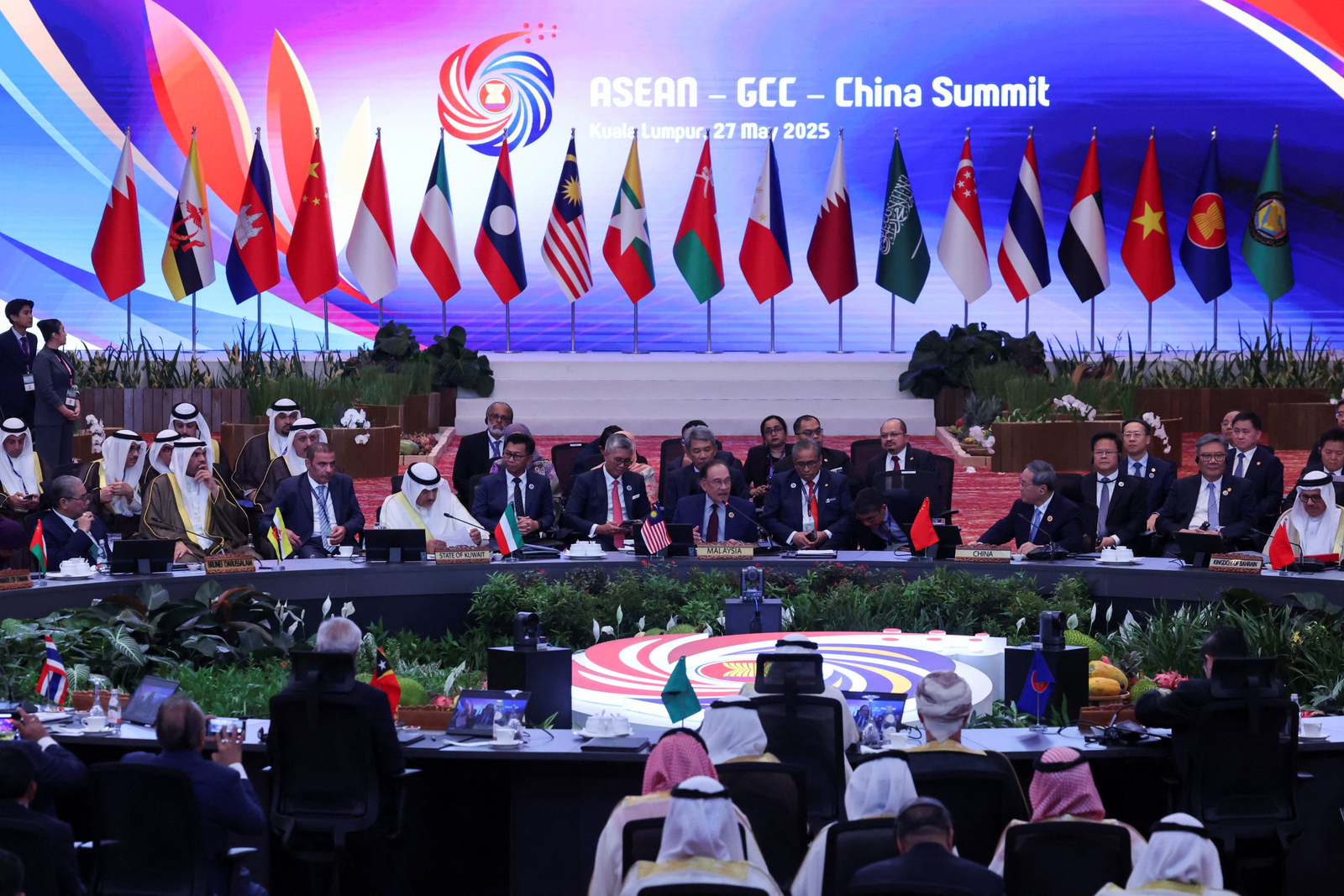
The Middle East is entering a new chapter of economic transformation, and two global players are positioning themselves at the center of this shift. Chinese companies and UAE-based partners are increasingly joining forces to tap into the region’s rapidly expanding markets, combining scale, speed, and ambition with local expertise, capital strength, and strategic geography. What is emerging is not just a series of business deals, but a long-term partnership aimed at reshaping trade, investment, and innovation across the Middle East.
From infrastructure and energy to technology, logistics, healthcare, and consumer goods, the China–UAE collaboration reflects a shared belief that the Middle East is no longer just a transit point between East and West, but a destination for growth in its own right. This partnership is human at its core, driven by relationships, trust, and a shared vision for prosperity.
China brings unmatched manufacturing capabilities, technological innovation, and experience in scaling businesses at speed. The UAE, on the other hand, offers a stable regulatory environment, world-class infrastructure, access to regional markets, and a reputation as a global business hub. Together, they form a partnership that feels both logical and powerful.
For many Chinese enterprises, the UAE is more than just an entry point. It is a strategic base for operations across the Middle East, Africa, and parts of Europe. The country’s advanced ports, free zones, logistics corridors, and investor-friendly policies make it easier for Chinese firms to establish regional headquarters, distribution centers, and innovation hubs.
Equally important is the UAE’s multicultural workforce and openness to international partnerships. Chinese executives often highlight how business in the UAE feels efficient, predictable, and globally connected, allowing them to focus on growth rather than bureaucracy.
UAE companies see Chinese partners as engines of execution. Chinese firms are known for delivering large-scale projects on time, introducing cost-effective technologies, and adapting quickly to market needs. Whether it is renewable energy equipment, smart city solutions, electric vehicles, or digital platforms, Chinese companies bring tested solutions that can be localized for Middle Eastern consumers.
This balance of vision and delivery has made Chinese partners especially attractive for UAE investors looking to scale beyond borders.
For years, the Middle East was often viewed as a transit region. Today, that perception has changed dramatically. A young population, rising digital adoption, government-led diversification programs, and strong purchasing power have turned the region into a high-potential consumer and investment market.
Middle Eastern economies are investing heavily in non-oil sectors. This includes renewable energy, artificial intelligence, fintech, healthcare, education, tourism, and advanced manufacturing. Chinese and UAE partners are actively collaborating in these areas, aligning innovation with long-term national strategies.
In consumer markets, demand for affordable yet high-quality products is growing. Chinese brands, supported by UAE distribution networks, are finding strong traction across electronics, home appliances, mobility, and lifestyle products.
By partnering in the UAE, Chinese companies gain easier access to markets such as Saudi Arabia, Egypt, Jordan, Oman, and North Africa. UAE-based firms provide market knowledge, regulatory guidance, and cultural understanding, reducing the risks associated with expansion.
This hub-and-spoke approach allows partnerships to grow steadily, starting from the UAE and expanding outward with confidence.
Infrastructure remains one of the strongest pillars of China–UAE cooperation. The Middle East’s ambitious development plans require expertise in construction, engineering, and logistics, areas where Chinese firms excel.
Joint ventures are playing a growing role in building ports, industrial zones, warehouses, and transport networks. The UAE’s focus on smart infrastructure aligns well with Chinese capabilities in digital construction, automation, and data-driven operations.
These projects are not just about physical assets. They are about creating ecosystems that support trade, manufacturing, and long-term economic resilience.
Global supply chains are being reconfigured, and the Middle East is emerging as a key node. Chinese manufacturers working with UAE logistics providers are developing regional supply chains that reduce delivery times, lower costs, and improve reliability.
This shift benefits regional businesses and consumers alike, while also strengthening the UAE’s position as a global logistics leader.
Energy has long been central to Middle Eastern economies, and it remains a major area of collaboration. However, the focus is rapidly shifting toward sustainability and clean energy.
Chinese companies are global leaders in solar panels, energy storage, and electric mobility. UAE partners bring financing power, policy support, and ambitious sustainability targets. Together, they are developing solar parks, energy storage facilities, and clean mobility solutions across the region.
These projects support the Middle East’s energy transition goals while creating new business opportunities and jobs.
While oil and gas remain important, partnerships are increasingly focused on making traditional energy sectors more efficient and environmentally responsible. Digital monitoring, automation, and advanced equipment are helping reduce emissions and operational costs.
This balanced approach reflects a realistic understanding of regional needs, combining innovation with respect for existing industries.
Technology is becoming the fastest-growing area of China–UAE collaboration. From fintech to artificial intelligence, partnerships are shaping the digital future of the Middle East.
Chinese digital platforms have transformed how people shop, pay, and interact online. By working with UAE financial institutions and regulators, these platforms are being adapted to regional preferences and compliance requirements.
The result is a more inclusive digital economy, offering consumers convenience while supporting small and medium-sized businesses.
Smart city projects are gaining momentum across the Middle East, and Chinese technology providers are contributing expertise in AI, data analytics, and urban automation. UAE partners help integrate these technologies into local governance and infrastructure frameworks.
These collaborations aim to improve quality of life, from traffic management and energy efficiency to public safety and healthcare delivery.
Beyond numbers and strategies, the China–UAE partnership is built on people. Executives, engineers, entrepreneurs, and policymakers are forming relationships that go beyond contracts.
Both sides emphasize the importance of understanding each other’s business culture. Chinese firms are learning to adapt their approaches to local customs, while UAE partners are gaining deeper insight into Chinese business practices.
This mutual respect builds trust, which is essential for long-term success in complex regional markets.
Joint ventures often involve training programs, knowledge transfer, and talent exchange. Local professionals gain exposure to global best practices, while Chinese teams benefit from regional expertise.
Over time, this creates a shared pool of skilled professionals who understand both markets, strengthening future collaborations.
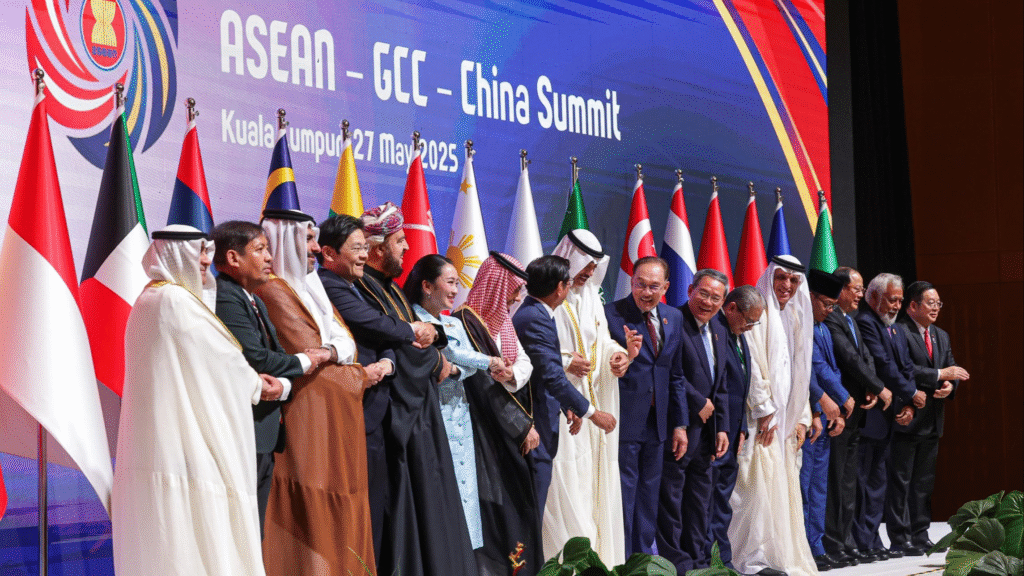
Government-to-government alignment has played a crucial role in encouraging partnerships. Policies that promote foreign investment, innovation, and economic diversification create a supportive environment for collaboration.
The UAE’s long-term development visions align closely with China’s global economic ambitions. Both emphasize connectivity, innovation, and sustainable growth. This strategic alignment reduces uncertainty and encourages private sector participation.
In a world facing geopolitical and economic uncertainty, the China–UAE partnership offers stability. Clear regulations, open dialogue, and a shared commitment to growth give businesses the confidence to invest and expand.
Like any cross-border collaboration, challenges exist. Differences in regulations, business practices, and market expectations can create friction. However, most partners see these as manageable hurdles rather than barriers.
Open communication, local partnerships, and long-term planning help address these challenges. Many companies emphasize patience and adaptability as key ingredients for success in the Middle East.
The goal of Chinese and UAE partnerships is not short-term profit. It is about building platforms that support regional development, create jobs, and drive innovation. By combining global scale with local insight, these collaborations aim to leave a lasting impact.
As the Middle East continues to diversify and modernize, the role of such partnerships will only grow. They represent a model of cooperation where both sides win, and the region benefits as a whole.
Looking ahead, the scope of collaboration is expected to expand further into healthcare, education, advanced manufacturing, and creative industries. As trust deepens and success stories multiply, more companies will follow this path.
The Middle East market is dynamic, ambitious, and full of opportunity. By working together, Chinese and UAE partners are not just tapping into this market, they are helping shape its future.
In doing so, they are proving that meaningful partnerships, built on shared goals and human connection, can drive sustainable growth in an increasingly interconnected world.
Do Follow Estate Magazine on Instagram
Read More:- Eshraq Unlocks Bold Growth After $82 Million Land Sale