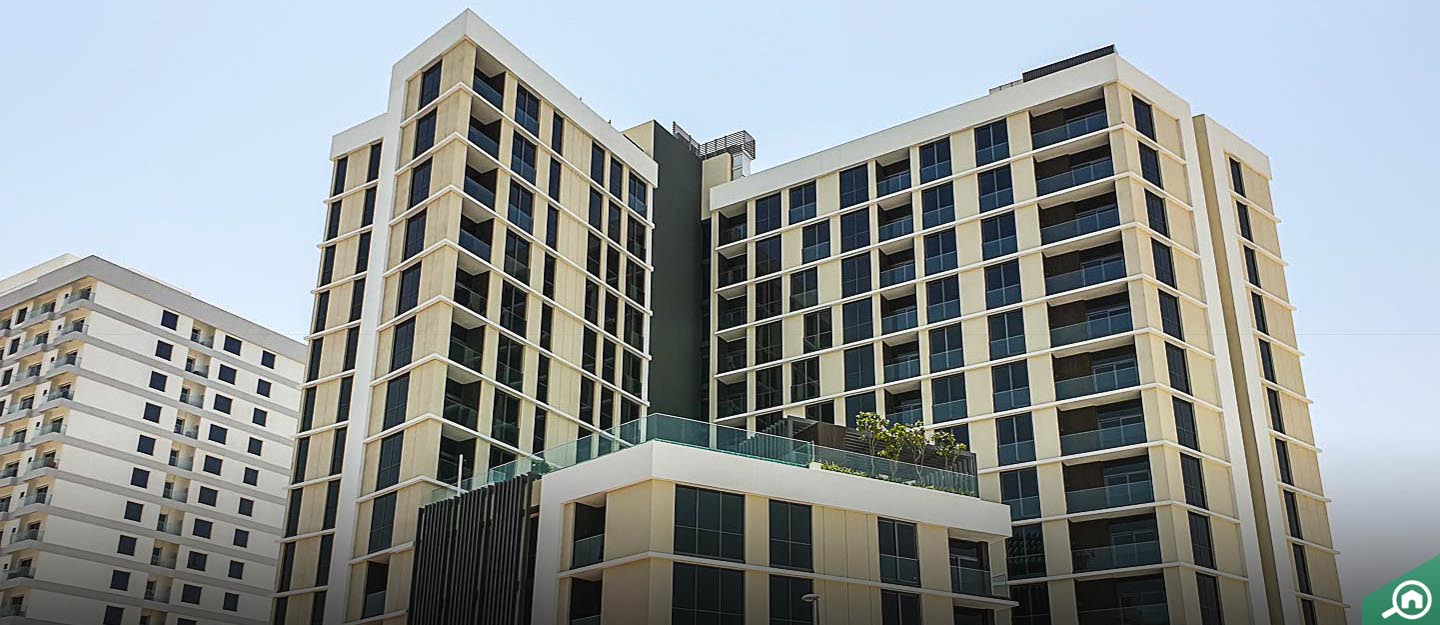
In recent years, the concept of co-living and shared apartments in Dubai has gained significant traction. With rising rental costs and a bustling expatriate community, many residents are exploring alternative living arrangements. Co-living spaces offer not just affordability but also a sense of community, making them an attractive option for both young professionals and students. However, navigating the rules and regulations, especially the Ejari system, is crucial for a smooth living experience. Here’s what you need to know.
Co-living spaces are designed to foster community while providing practical living solutions. They typically include private bedrooms with shared common areas such as kitchens, lounges, and recreational facilities. This arrangement allows residents to enjoy the benefits of communal living while still maintaining personal space and privacy.
The appeal of living in Dubai lies in its flexibility and lifestyle opportunities. Many living facilities are strategically located near business districts, universities, and social hubs, making them convenient for both work and leisure.

Shared apartments are another popular option for those seeking affordable housing in Dubai. Like co-living spaces, shared apartments allow multiple individuals to split the cost of rent, utilities, and other living expenses. This arrangement is particularly appealing in a city known for its high cost of living.
Shared apartments can cater to diverse groups, from international students to young professionals and even families. The flexibility of lease terms—often ranging from short to long-term—makes it easier for individuals to find accommodations that suit their lifestyle needs.
Ejari is an essential registration system in Dubai that ensures all rental agreements are documented and legally binding. Understanding how Ejari works is crucial for anyone considering co-living or shared apartments.
When entering into a co-living or shared apartment arrangement, it is necessary to register the lease through Ejari. This registration protects the rights of both tenants and landlords, providing a legal framework for the rental agreement.
To register your lease, you will typically need:
Once registered, Ejari issues a certificate that can be presented to local authorities when necessary. This step is vital for ensuring that your living arrangement is legitimate and compliant with local laws.
Co-living and shared apartments offer several benefits that make them an attractive option for many residents in Dubai.
First and foremost, they can significantly reduce living costs. By sharing expenses, residents can enjoy a higher standard of living without the burden of high rents.
Additionally, these arrangements foster a sense of community. Many co-living spaces organize events and activities, encouraging residents to connect and build friendships. This is particularly beneficial for newcomers to Dubai who may be looking to establish a social network.
Another advantage is flexibility. Most co-living and shared apartment agreements offer shorter lease terms, allowing residents to adapt their living situations as their circumstances change.
While co-living and shared apartments offer numerous advantages, there are challenges to be aware of. The most common issue is compatibility among housemates. Living with others requires a degree of compromise and communication, and it’s important to establish ground rules early on.
Another challenge is the potential for a lack of privacy in shared spaces. Depending on the layout and the number of residents, personal space can sometimes feel limited.
Finally, understanding the legal aspects, such as the Ejari registration process, is crucial. Failing to comply with local regulations can lead to complications that might disrupt your living situation.

When searching for the right co-living space or shared apartment in Dubai, consider several factors.
Location is key—look for properties that are close to your workplace or educational institution. This will save you time and transportation costs.
Additionally, evaluate the amenities offered. Many co-living spaces provide additional features such as gym facilities, laundry services, and communal areas for social gatherings.
Finally, consider the community vibe. Some co-living spaces cater to specific demographics or lifestyle preferences, so finding a community that aligns with your interests can enhance your living experience.
Co-living and shared apartments in Dubai present a unique and enriching way to live in one of the world’s most vibrant cities. With the right knowledge of the Ejari rules and a clear understanding of what to expect, you can find a living arrangement that not only meets your budget but also enhances your social life. As you consider this option, remember the importance of community and flexibility in your living situation.
Do Follow Estate Magazine on Instagram
Read More:- Dubai Apartment Rental Prices: Essential Guide to Compare Effectively 2026