

In today’s fast-paced, ever-changing world, the way we live and share spaces is evolving dramatically. Co-living and shared ownership trends are not just passing fads; they represent a significant shift in how people are choosing to interact with their environments and communities. These trends are reshaping urban living, making it more accessible, affordable, and enjoyable for individuals from diverse backgrounds.
As cities grow and housing prices soar, the appeal of co-living and shared ownership becomes increasingly attractive. This article explores the key elements driving these trends and what they mean for the future of living arrangements.
The co-living phenomenon is gaining traction primarily due to its financial and social benefits. Many people, especially millennials and Gen Z, are turning away from traditional housing models that no longer serve their needs.
Co-living offers:
Affordability: Shared spaces significantly reduce living costs, allowing individuals to live in desirable neighborhoods without the heavy financial burden.
Community: By sharing living spaces, residents foster a sense of community and belonging, which is particularly appealing for those who may feel isolated in larger urban settings.
Flexibility: Many co-living arrangements offer short-term leases, catering to the increasingly mobile lifestyle of today’s workforce.
As we dive deeper, let’s explore how these elements are influencing the broader trends in co-living and shared ownership.
Technology is a pivotal player in the evolution of co-living and shared ownership. Modern platforms facilitate communication, payment, and community engagement among residents, enhancing the co-living experience.
Key technological advancements include:
Smart Home Features: Many co-living spaces are equipped with smart technology, allowing residents to control heating, lighting, and security from their devices.
Community Apps: Specialized applications help residents connect, organize events, and manage shared resources, making community living more seamless and enjoyable.
This integration of technology not only enhances convenience but also attracts a tech-savvy demographic eager for streamlined living solutions.
Shared ownership is another innovative trend that is revolutionizing the real estate market. This model allows individuals to purchase a share of a property while paying rent on the remaining percentage, making homeownership more accessible and less daunting.
Benefits of shared ownership include:
Lower Entry Costs: Prospective homeowners can enter the market with a smaller investment, making it possible to acquire property in otherwise unaffordable areas.
Equity Building: As owners pay down their share, they build equity over time, providing a pathway to full ownership in the future.
Community Investment: Shared ownership often encourages a sense of commitment to the community, as residents are invested in the property and its upkeep.
These factors contribute to the growing appeal of shared ownership, particularly among first-time homebuyers and those looking for a more sustainable housing option.
As urban areas continue to expand, the demand for flexible and affordable living arrangements increases. Co-living spaces are strategically located in urban centers, catering to young professionals and students who prioritize convenience and community.
Key impacts of urbanization include:
Increased Density: As cities become more densely populated, co-living spaces offer a viable solution to housing shortages, providing adequate accommodations without overcrowding.
Sustainable Living: Co-living promotes sustainable practices, such as sharing resources and reducing waste, aligning with the values of environmentally-conscious residents.
Cultural Exchange: Urban co-living spaces often attract a diverse mix of residents, fostering cultural exchange and collaboration, which enriches the community experience.
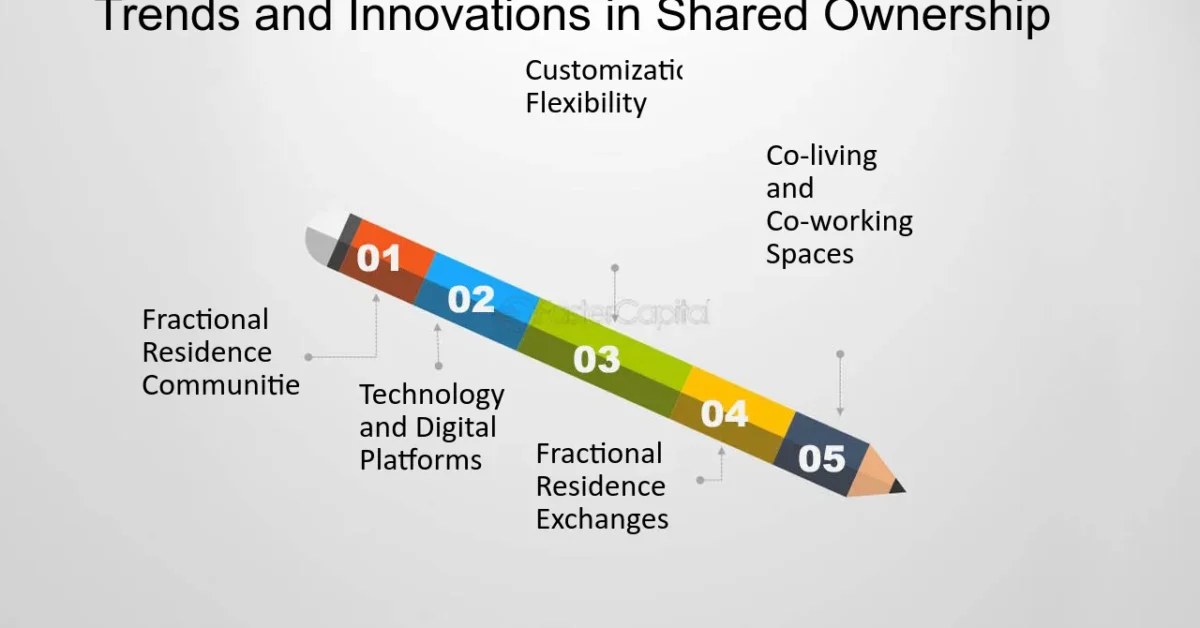
Urbanization is driving the demand for co-living, making it an essential part of the contemporary housing landscape.
Co-living and shared ownership are particularly appealing to specific demographics. Understanding these groups helps to illuminate the trends shaping the future of living arrangements.
Prominent demographics include:
Young Professionals: Often seeking affordable options in urban settings, these individuals benefit from the social aspects of co-living while advancing their careers.
Students: Co-living provides an affordable alternative to traditional student housing, offering community and support during their academic journeys.
Digital Nomads: Individuals who work remotely appreciate the flexibility and community that co-living offers, allowing them to travel and work from various locations.
These demographics are not just consumers; they are also shaping the future of co-living and shared ownership by demanding more innovative and inclusive living arrangements.
While the benefits of co-living and shared ownership are compelling, several challenges remain. Addressing these hurdles is essential for the continued growth of these trends.
Major challenges include:
Regulatory Hurdles: Navigating zoning laws and building codes can be complicated, often hindering the development of new co-living projects.
Market Misconceptions: Some individuals associate co-living with student housing or temporary arrangements, which can limit its appeal to broader demographics.
Quality Control: Ensuring consistent quality and maintenance across co-living spaces can be challenging, affecting resident satisfaction.
Overcoming these challenges requires collaboration between developers, local governments, and communities to create sustainable solutions.
As we look ahead, the future of co-living and shared ownership trends appears promising. With increasing interest from various demographics and a growing recognition of the benefits these models offer, we can anticipate further innovation in this space.
Emerging trends to watch include:
Integration with Workspaces: Many co-living spaces are beginning to incorporate co-working areas, catering to the needs of remote workers and freelancers.
Sustainability Initiatives: More co-living developments are focusing on eco-friendly practices, such as using sustainable materials and promoting green living.
Personalization: Companies are increasingly offering customizable living arrangements, allowing residents to tailor their environment to better suit their lifestyles.
These developments will continue to influence how we live, work, and connect with one another in the years to come.
Co-living and shared ownership trends are transforming our understanding of community, affordability, and homeownership. As we embrace these changes, it’s essential to recognize the social, economic, and environmental benefits they bring.
The future is bright for co-living and shared ownership, as they cater to the evolving needs of society. By fostering community, enhancing affordability, and promoting sustainable living, these trends are set to redefine how we interact with our spaces and each other.
Do follow Estate Magazine on Instagram
Read More:- Binghatti and Mercedes-Benz Redefine Urban Luxury in Dubai