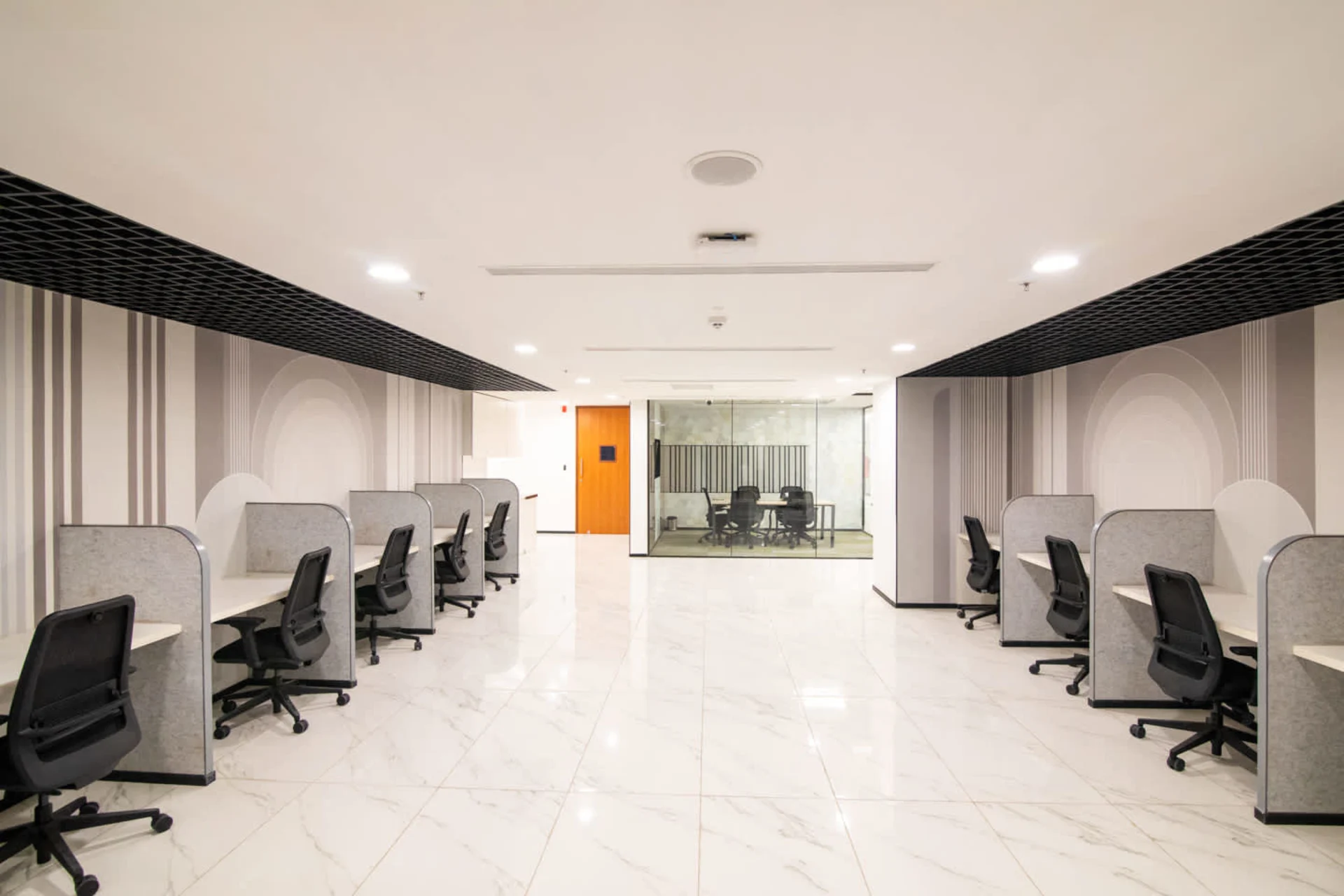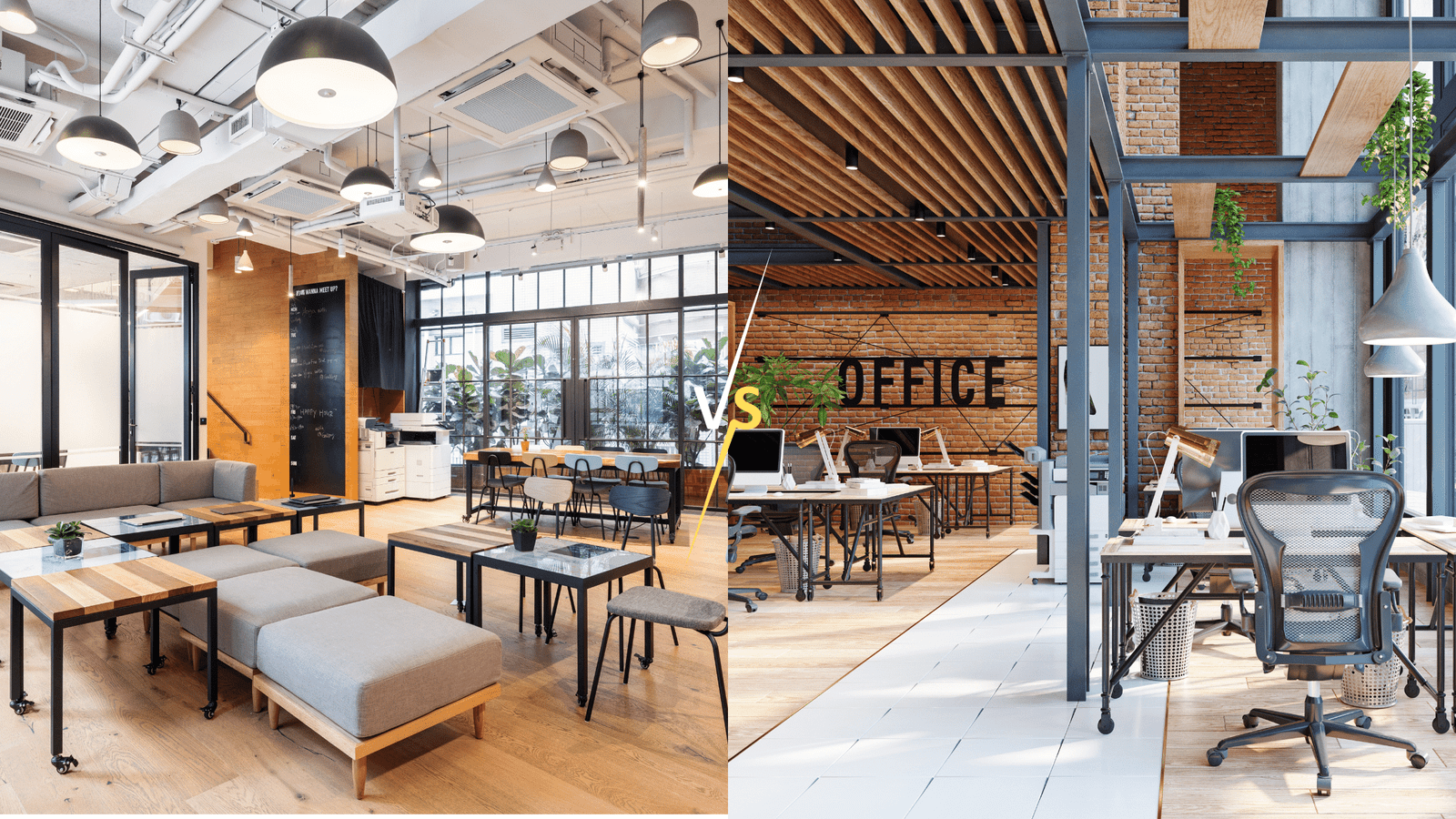
Over the past decade, the way we work has transformed dramatically. The traditional office model has been replaced by more flexible and cost-efficient solutions. Among these, co-working spaces have emerged as a dynamic choice for entrepreneurs, freelancers, startups, and even large corporations. But as the market evolved, so did the demand for privacy and exclusivity—leading to the rise of co-working spaces with private office options.
This hybrid concept combines the best of both worlds—the collaborative environment of shared spaces and the privacy of personal offices. It offers professionals the freedom to network and innovate while maintaining confidentiality and focus when needed.
A co-working space with private office options is a shared workspace where members can rent dedicated offices while still enjoying communal facilities. Unlike traditional co-working setups that only provide open desks, these modern centers feature enclosed offices that cater to teams or individuals requiring a quiet and personalized space.
Typically, these private offices come furnished, equipped with high-speed internet, ergonomic furniture, and soundproof walls. They offer a plug-and-play environment where professionals can start working immediately without worrying about setup or maintenance costs.
The growing preference for co-working spaces with private offices stems from the increasing demand for flexible yet professional environments. Businesses want to avoid the long-term commitments of leasing traditional office space while still ensuring that their teams can work productively.
Key reasons for their popularity include:
Traditional co-working spaces thrive on community interaction. However, some professionals find open layouts distracting or unsuitable for their work type. Private offices inside co-working hubs bridge that gap. They allow members to enjoy focused work sessions without losing access to the social and collaborative advantages of a shared workspace.
For instance, a small law firm can conduct confidential meetings in its private suite while still engaging with the creative community in the shared café or attending networking events. Similarly, startups can work privately on their projects but easily collaborate with other teams in the same building when needed.
Co-working spaces with private offices cater to a diverse audience. Whether you are a solo entrepreneur or part of a large enterprise, this model offers unique advantages.
When choosing a co-working space with private offices, several factors determine whether it meets your needs:
Design plays a crucial role in how productive and inspired members feel within a workspace. The best co-working centers focus on aesthetics, comfort, and functionality.
Private offices often feature glass partitions to allow natural light while maintaining privacy. Sound insulation ensures a peaceful work environment. Common areas are designed with warm colors, greenery, and ergonomic layouts to encourage collaboration and relaxation.
In some upscale co-working hubs, design extends to wellness amenities like meditation rooms, gyms, or rooftop lounges. These thoughtful details elevate the workspace experience and help professionals maintain a healthy work-life balance.
Co-working private offices are not just convenient—they’re also financially and environmentally smart.
For startups and small teams, renting a traditional office often involves large upfront costs for furniture, utilities, and maintenance. Co-working spaces eliminate these expenses with ready-to-use setups and all-inclusive memberships.
Environmentally, these spaces promote sustainability by optimizing shared resources such as electricity, heating, and communal supplies. Many co-working brands are also adopting green building practices, including energy-efficient lighting, recycling programs, and eco-friendly materials.
Technology has become the backbone of modern co-working environments. From digital booking systems to AI-powered security access, technology ensures smooth daily operations.
Members can reserve meeting rooms through mobile apps, access buildings using smart cards, and even manage their mail digitally. Advanced communication tools, high-speed connectivity, and cloud-based collaboration platforms further enhance productivity and efficiency.
In addition, many co-working operators are leveraging data analytics to understand member preferences, optimize space usage, and create more personalized experiences.
Despite their many advantages, co-working spaces with private offices also face challenges. One common issue is maintaining the right balance between privacy and community engagement. Some members may prefer isolation, missing out on the collaborative benefits of the shared environment.
Operators tackle this by organizing regular networking events, workshops, and casual gatherings that encourage interaction without compromising privacy. Another challenge is maintaining consistent quality across different locations, which is why reputed co-working brands focus heavily on design standards and customer feedback.
Co-working private offices have become a strategic advantage for businesses. They allow companies to test new markets without investing heavily in infrastructure. For remote-first organizations, they serve as a physical anchor for employees to collaborate and meet clients.
Moreover, the flexibility of short-term leases helps businesses stay agile and resilient during uncertain economic times. Whether expanding internationally or scaling locally, co-working spaces provide the foundation for smart, sustainable growth.
The future of co-working is leaning toward even more personalization and technology integration. Here are some emerging trends:
As the boundaries between personal and professional spaces blur, these innovations ensure that co-working remains relevant and effective for all workstyles.
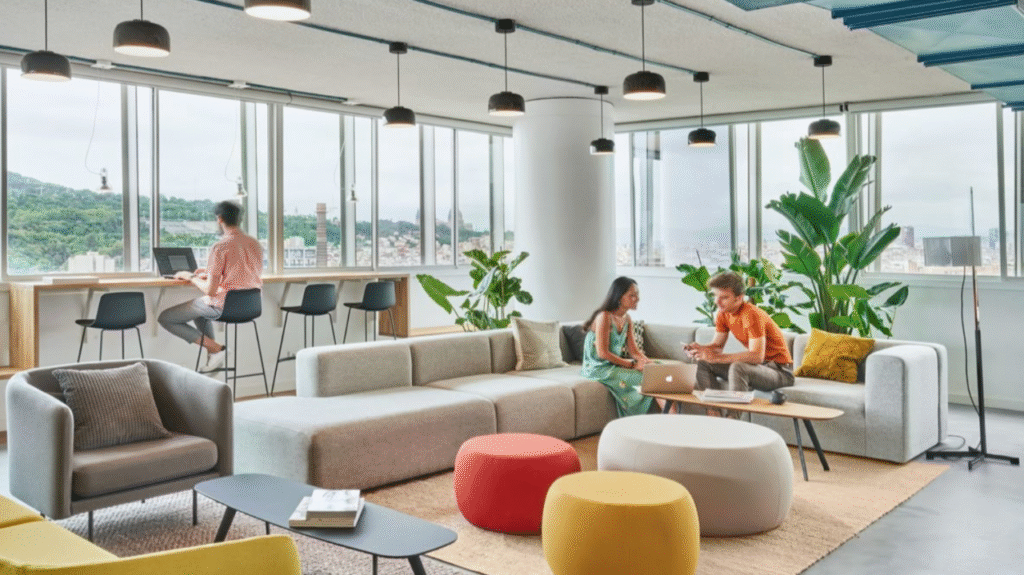
To get the most out of your co-working private office, consider these practical tips:
Co-working spaces with private office options represent the next evolution in modern work culture. They deliver flexibility, professionalism, and comfort without the rigid constraints of traditional office setups. Whether you’re a freelancer seeking focus, a startup pursuing growth, or a corporation exploring flexibility, these spaces offer the ideal blend of privacy and community.
As the global workforce continues to evolve, co-working private offices will play a pivotal role in shaping how and where people work. They are more than just physical spaces—they are thriving ecosystems that empower innovation, collaboration, and success.
Do Follow Estate Magazine on Instagram
High-ROI Office Spaces Near Dubai Free Zones: Complete ROI Guide