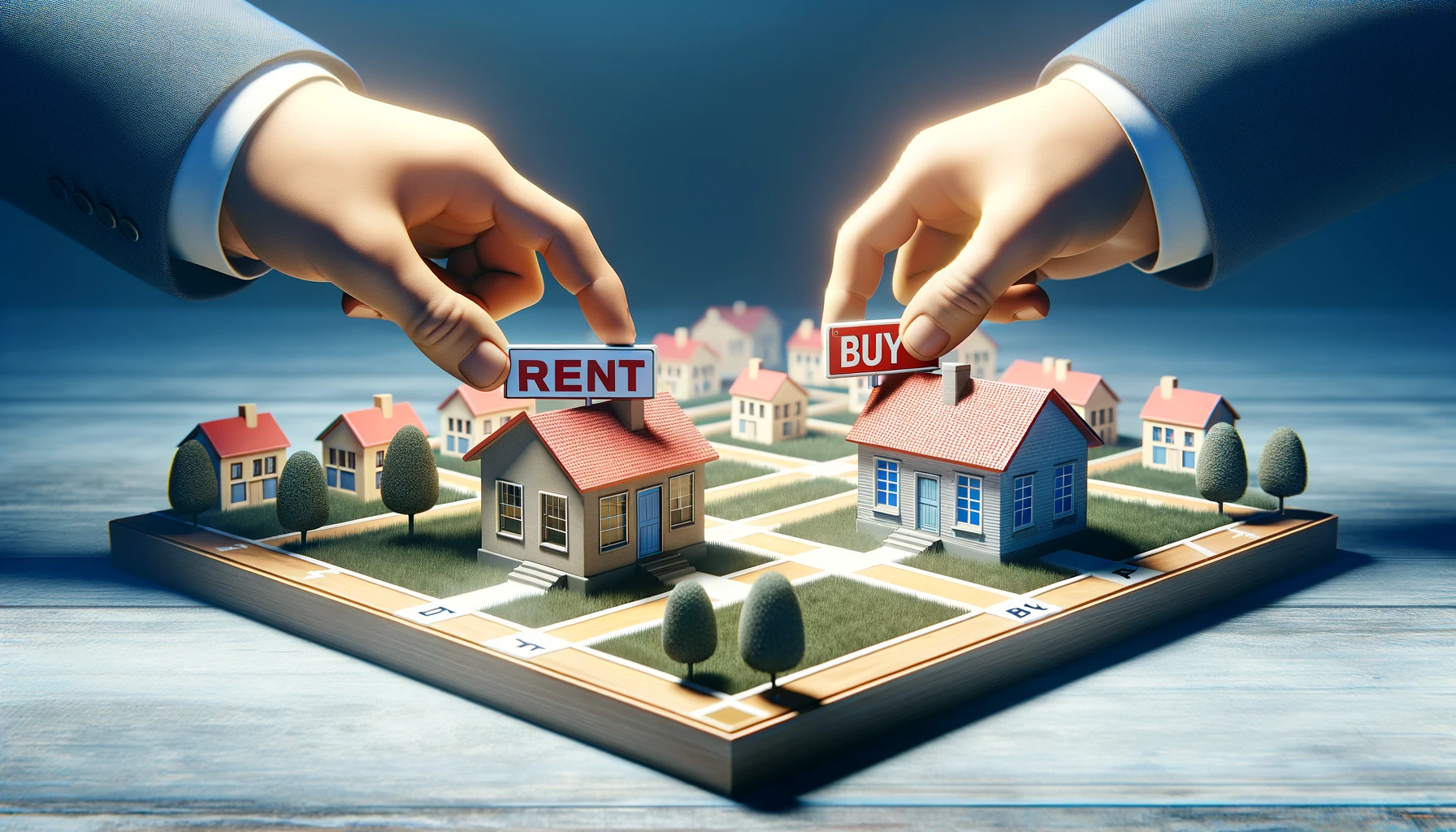
Choosing between commercial leasing and buying property is one of the most critical decisions a business can make. This choice can impact your financial flexibility, operational efficiency, and long-term growth. While purchasing property can feel like a solid investment, leasing offers freedom and lower upfront costs. But which option truly suits your business needs? This article breaks down the advantages, disadvantages, and strategic considerations to help you make a confident decision.
Commercial leasing is essentially renting a property for business purposes over a specified period. Unlike residential leases, commercial leases often range from three to ten years, and the terms can be highly negotiable depending on the landlord and property location.
Leasing offers businesses flexibility and access to prime locations without the heavy financial commitment of purchasing property. It is particularly popular among startups, small businesses, or companies testing new markets.
Key Features of Commercial Leasing:
Leasing can be advantageous for businesses that prioritize agility and cash flow management.
1. Financial Flexibility: Leasing does not tie up a large portion of your capital in property. This means more resources are available for operations, marketing, and expansion.
2. Prime Location Access: Leasing allows businesses to operate in high-demand areas without the significant upfront cost of purchasing. This can be critical for visibility and attracting clients.
3. Lower Risk Exposure: In a volatile market, leasing reduces the risk associated with property depreciation or market downturns.
4. Maintenance and Repairs: Many commercial leases include maintenance responsibilities in the landlord’s scope, reducing operational stress.

While leasing offers flexibility, it comes with its own set of challenges.
1. No Asset Ownership: Monthly lease payments do not contribute to property ownership, meaning you cannot leverage the property as an asset.
2. Rent Escalation: Lease agreements often include annual rent increases, which can impact long-term budgeting.
3. Limited Customization: Tenants may face restrictions in modifying the property, limiting branding and operational customization.
4. Dependence on Landlord: Any structural or legal issues fall under the landlord’s control, which can delay critical decisions.
Purchasing a commercial property involves a significant financial commitment but offers long-term stability and asset ownership. Businesses that are well-established or seeking long-term investment value often consider property purchase.
Key Features of Property Purchase:
Owning property comes with several strategic and financial benefits.
1. Asset Building: Purchasing commercial property adds a tangible asset to your balance sheet, potentially appreciating over time.
2. Operational Control: Owners have complete control over property modifications, allowing full alignment with branding and business operations.
3. Fixed Costs: Mortgage payments may remain fixed, providing predictable financial planning compared to escalating rent in leases.
4. Long-Term Security: Property ownership eliminates the risk of sudden eviction or non-renewal of lease agreements.
5. Potential Rental Income: Businesses can lease out unused space, creating additional revenue streams.
While ownership has long-term benefits, it is not without drawbacks.
1. High Upfront Costs: Purchasing requires a substantial initial investment, including down payment, legal fees, and taxes.
2. Maintenance Responsibility: Owners are fully responsible for repairs, maintenance, and property management.
3. Reduced Flexibility: Selling property can be time-consuming, making it harder to relocate or adapt to changing market conditions.
4. Market Risk: Property values can fluctuate, and businesses may face losses during economic downturns.
Deciding between leasing and purchasing requires a careful evaluation of business goals, financial health, and market conditions.
1. Financial Position
Evaluate your available capital, cash flow, and ability to secure financing. Consider the long-term ROI of purchasing versus the flexibility of leasing.
2. Business Duration and Stability
Short-term ventures may benefit from leasing, while long-term, established businesses may gain more from ownership.
3. Market Conditions
Assess local property prices and rental rates. Consider potential property value appreciation and market volatility.
4. Operational Needs
Determine if your business requires customization or unique layouts. Evaluate whether your location is critical for customer access and brand presence.
5. Risk Tolerance
Leasing reduces exposure to market risk, while purchasing involves higher upfront risk but potential long-term rewards.

Leasing is ideal for:
Purchasing is ideal for:
Whether leasing or buying, businesses should account for hidden costs beyond rent or mortgage.
Leasing Costs:
Purchasing Costs:
1. Evaluate Long-Term Goals: Align your decision with your business’s 5-10 year growth plan.
2. Run Financial Models: Compare the total cost of leasing versus buying, factoring in inflation, tax benefits, and opportunity costs.
3. Consult Experts: Real estate brokers, financial advisors, and legal professionals can provide critical insights.
4. Negotiate Terms: Whether leasing or buying, negotiate favorable terms that protect your interests.
5. Consider Hybrid Approaches: Some businesses lease initially and purchase once financial stability and growth are secured.
There is no universal answer to whether leasing or purchasing is better. Leasing offers flexibility, lower upfront costs, and reduced risk, making it ideal for young or expanding businesses. Purchasing provides long-term security, asset building, and operational control, suitable for established businesses ready to invest in their future.
Ultimately, the decision should be guided by financial capability, business strategy, market conditions, and personal risk tolerance. Understanding the nuances of both options ensures that your business can grow sustainably while making a financially sound choice.
Choosing wisely today can set the foundation for stability, growth, and long-term profitability tomorrow.
Do Follow Estate Magazine on Instagram
Industrial Properties With High Capital Appreciation: Unlocking Lucrative Investment Opportunities