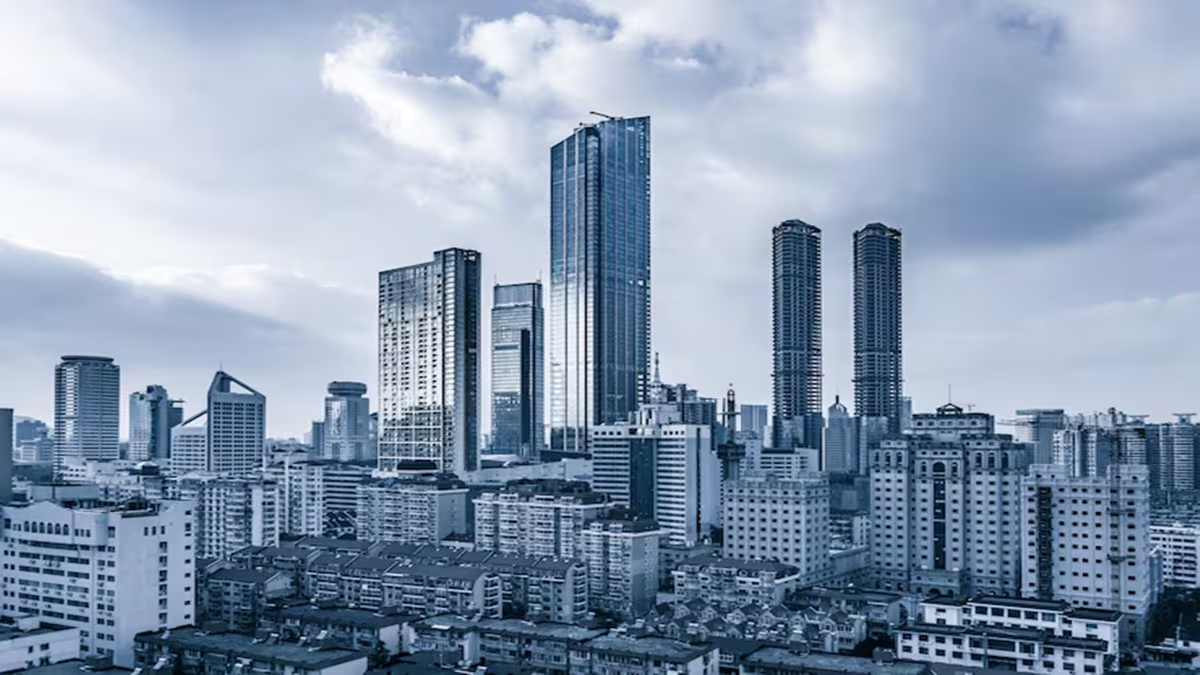
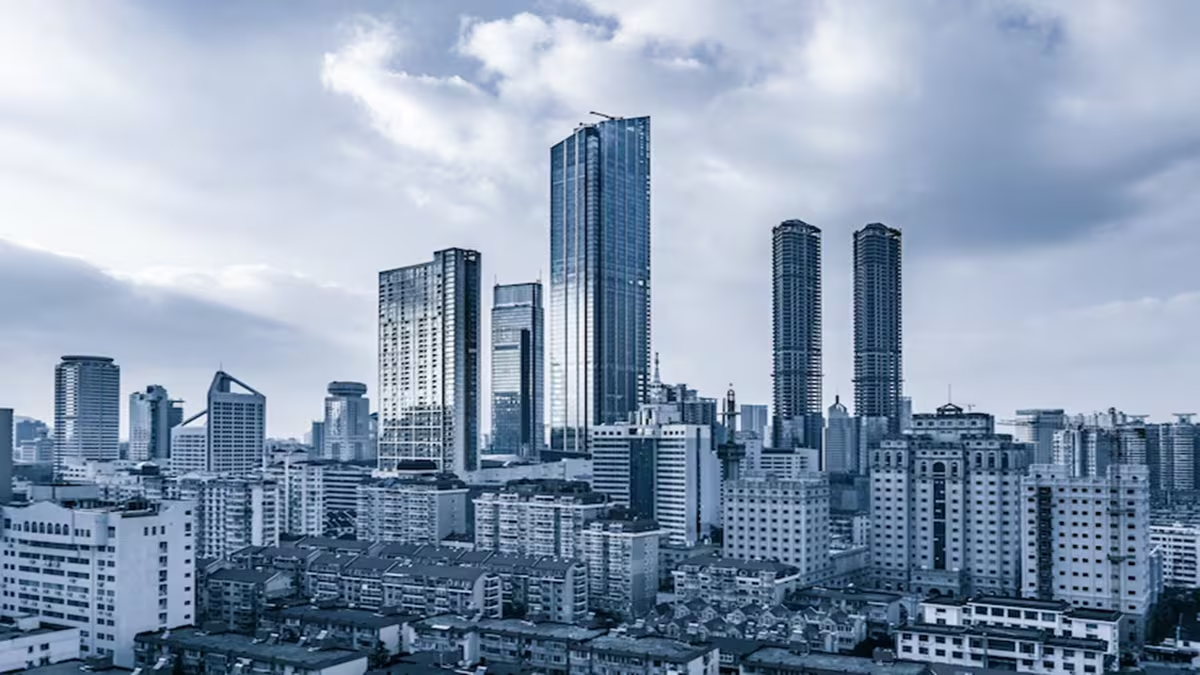
The commercial real estate sector is experiencing a remarkable surge, particularly in the office and commercial assets market. This growth reflects a dynamic shift in how businesses operate and utilize spaces. As we delve into the factors driving this surge and the implications for investors, tenants, and the economy, it becomes clear that the landscape of commercial real estate is evolving rapidly.
The surge in commercial real estate can be attributed to several interrelated factors. Firstly, the ongoing recovery from the pandemic has led many businesses to reassess their real estate needs. As companies adapt to hybrid work models, there is a renewed demand for office spaces that accommodate flexible working arrangements. This has sparked a significant uptick in leasing activity, particularly in urban centers.
Additionally, the growth of e-commerce has catalyzed a parallel demand for commercial assets such as warehouses and distribution centers. As online shopping continues to dominate consumer behavior, businesses are investing heavily in logistics and supply chain facilities, further fueling the commercial real estate surge.
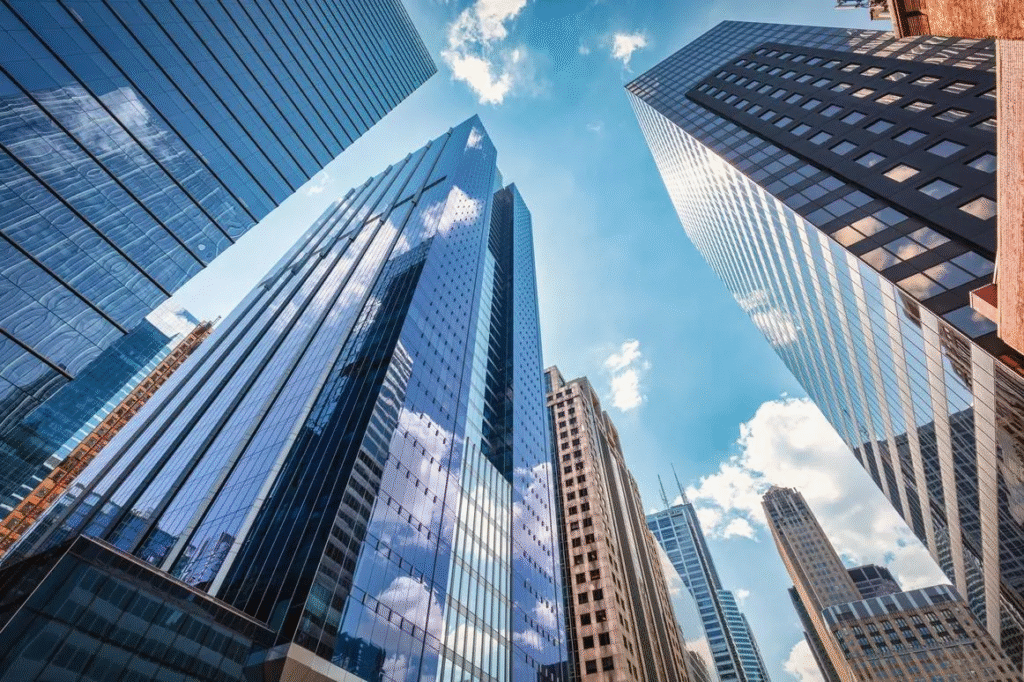
With the shift towards mixed work environments, office spaces are undergoing a transformation. Companies are no longer seeking traditional layouts; instead, they are looking for versatile spaces that can foster collaboration and innovation. Features such as open floor plans, breakout areas, and amenities like cafes and fitness centers are becoming essential.
This evolution is attracting new tenants to commercial real estate, as businesses aim to create environments that enhance employee satisfaction and productivity. As a result, landlords are investing in renovations and upgrades to meet these changing demands, contributing to the overall growth of the sector.
Several trends are shaping the commercial real estate landscape and driving the surge in office and commercial assets:
One significant trend is the increased focus on sustainability. Tenants are prioritizing eco-friendly buildings that promote energy efficiency and reduce their carbon footprint. This has led developers to incorporate green technologies and sustainable practices into their projects, ultimately attracting environmentally-conscious businesses.
Another trend is the rise of flexible workspaces. Co-working spaces and shared offices are gaining popularity as businesses look for cost-effective solutions to accommodate fluctuating workforce sizes. This flexibility is appealing to startups and established companies alike, creating a vibrant ecosystem within the commercial real estate market.
Technology is playing a pivotal role in the commercial real estate surge. From virtual tours to advanced analytics, technology is enhancing the way properties are marketed and managed. Property management software and data analytics tools are helping landlords optimize their operations, improve tenant experiences, and make informed investment decisions.
Moreover, the integration of smart building technologies is becoming increasingly prevalent. Features such as automated lighting, climate control, and security systems are not only improving the efficiency of commercial assets but also enhancing the overall tenant experience.
While the surge in commercial real estate presents numerous opportunities, it also comes with its challenges. Economic uncertainties and rising interest rates can impact investment and financing decisions. Additionally, the ongoing evolution of work patterns means landlords must remain agile and responsive to tenant needs.
However, those willing to adapt and innovate will likely find success in this dynamic market. Emphasizing tenant satisfaction, sustainability, and technology integration can position property owners and investors favorably as the commercial real estate landscape continues to evolve.
The commercial real estate surge, particularly in office and commercial assets, signifies a paradigm shift in how spaces are utilized and valued. As businesses adapt to new work models and prioritize sustainability, the demand for innovative, flexible, and efficient commercial spaces will only grow.
Investors, landlords, and tenants must remain attuned to these changes to harness the opportunities that lie ahead. The future of commercial real estate is bright, driven by a blend of evolving needs, technological advancements, and a commitment to creating spaces that foster collaboration and growth.
Do Follow Estate Magazine on Instagram
Read More:- Branded Residences Boom – Unlock Premium Lifestyle Real Estate 2026