The landscape of commercial real estate is evolving rapidly. With significant shifts in office demand, retail space growth, and the emergence of logistic hubs, understanding these trends is crucial for investors, businesses, and urban planners alike. This article dives deep into the current commercial real estate trends and offers insights on what to expect in the near future.
As remote work gains traction, the demand for traditional office spaces is transforming. Companies are re-evaluating their real estate needs, leading to both challenges and opportunities in the market.
Flexible work arrangements have caused many organizations to downsize or redesign their office spaces to accommodate hybrid work models. This trend has led to a rising interest in coworking spaces and smaller, more flexible office environments. Businesses are looking for locations that offer collaboration areas, quiet zones, and amenities that enhance employee well-being.
The shift towards a more decentralized workforce means that companies are not only considering urban locations but also suburban and rural areas. This trend creates opportunities for commercial real estate developers to cater to diverse markets, offering spaces that meet the evolving needs of the workforce.
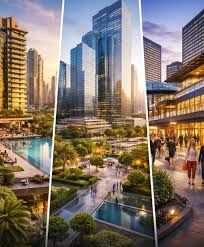
In recent years, e-commerce has dominated the retail landscape, but brick-and-mortar stores are making a comeback. Retail space growth is driven by several factors, including the desire for experiential shopping and local community engagement.
Retailers are now focusing on creating unique experiences that cannot be replicated online. This trend has spurred the development of mixed-use spaces where retail, dining, and entertainment coexist. These environments attract consumers looking for a holistic shopping experience, fostering community interactions and increasing foot traffic.
Additionally, many retailers are leveraging technology to enhance the in-store experience. Augmented reality, personalized marketing, and seamless payment systems are becoming staples in brick-and-mortar stores. As a result, retail spaces are evolving into destinations rather than mere shopping venues, leading to a renewed interest in physical locations.
The boom in e-commerce has spurred the growth of logistic hubs, which are essential for efficient supply chain management. These hubs serve as critical points for storing and distributing goods, making them vital in today’s fast-paced market.
Strategically located logistic hubs near major transportation networks are in high demand. Businesses are investing in facilities that allow for quick access to urban centers and transportation routes, ensuring that they can meet customer expectations for speedy delivery.
The rise of last-mile delivery services has further intensified the need for logistic hubs. Companies are looking for ways to streamline their operations to provide faster service, leading to increased investment in warehouse spaces and distribution centers. This trend signifies a shift in the commercial real estate market, where logistic facilities are becoming as valuable as traditional office and retail spaces.
As commercial real estate trends continue to evolve, adaptability is key. Investors and developers must remain agile, ready to pivot based on changing market conditions and consumer preferences.
Sustainability is becoming a significant focus, with many businesses seeking eco-friendly buildings that reduce their carbon footprint. Green construction practices and sustainable building materials are gaining traction, influencing design and development decisions.

Furthermore, technology is playing an integral role in shaping the future of commercial real estate. From advanced data analytics to virtual reality property tours, technology is enhancing the way stakeholders interact with the market, making it easier to gauge demand and make informed decisions.
Understanding the latest commercial real estate trends—office demand, retail space growth, and logistic hubs—equips investors, businesses, and urban planners with the knowledge needed to navigate a changing landscape. As we move forward, the ability to adapt and innovate will be crucial in maximizing opportunities and addressing challenges within the sector.
Commercial real estate is not just about buildings; it’s about creating spaces that foster community, enhance productivity, and meet the ever-evolving needs of society. By keeping a pulse on these trends, stakeholders can strategically position themselves for success in this dynamic market.
Do Follow Estate Magazine on Instagram
Read More:- UAE Real Estate Market 2026: 7 Powerful Growth Drivers Fueling Price Surge