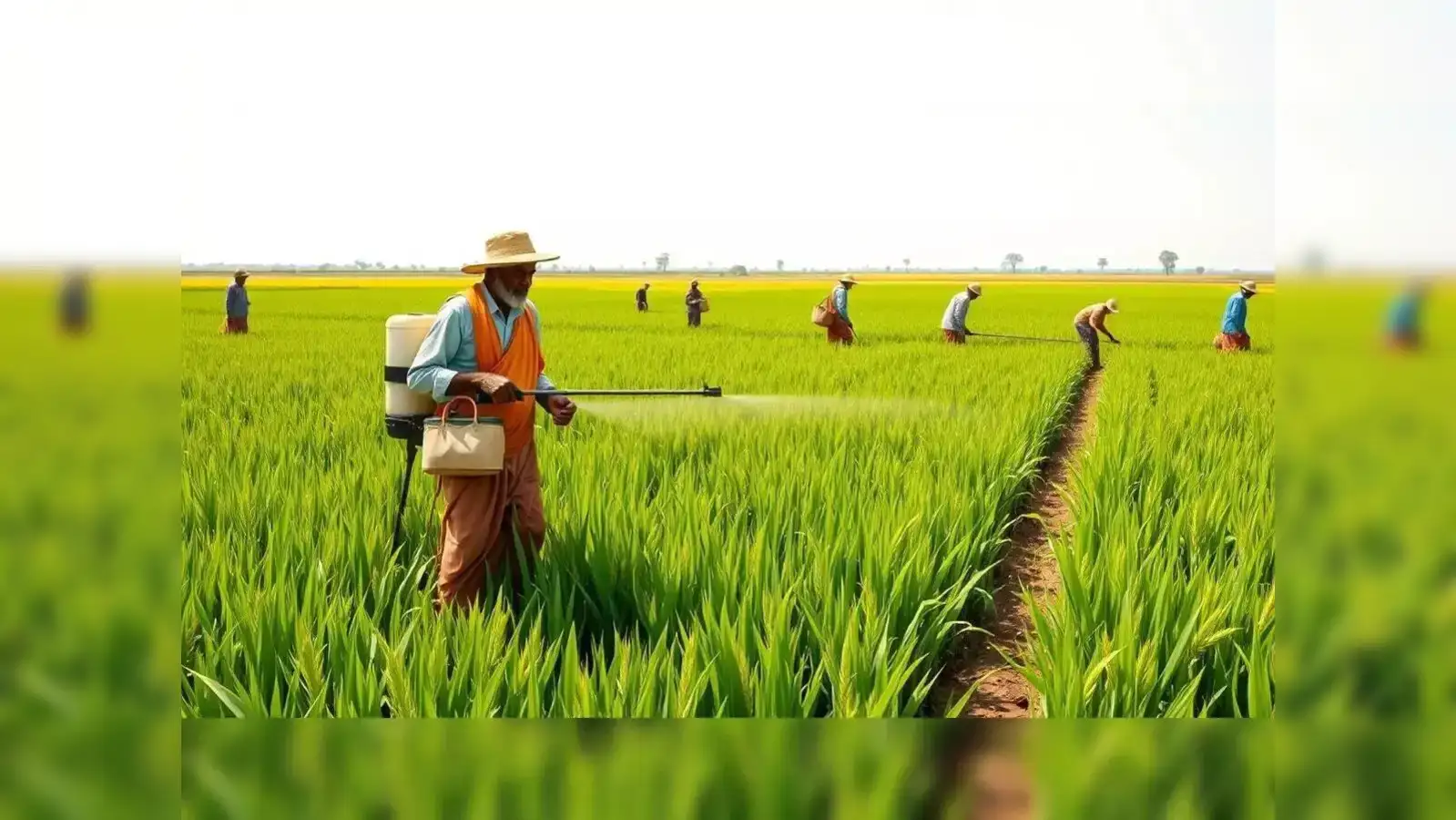
The food and agriculture sectors in the UAE are undergoing significant transformations, driven by a mixture of economic demands, technological advancements, and changing consumer preferences. These commercial strategy shifts are not just about keeping pace with global trends; they reflect a deeper commitment to sustainability, food security, and diversified economic growth.
As the UAE positions itself as a global hub for food innovation and agricultural excellence, understanding these shifts becomes essential for stakeholders across the industry. Let’s explore the key elements of this evolving landscape and the strategic changes shaping the future of food and agriculture in the UAE.
The UAE’s agriculture sector has traditionally relied on imports to meet the food needs of its growing population. However, recent shifts in commercial strategy are redefining how food is produced and consumed.
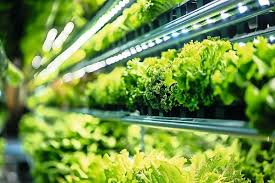
With the government prioritizing food security, there is an increasing focus on local production and sustainable practices. This shift aligns with the UAE’s Vision 2021 initiative, which aims to create a sustainable environment and enhance the quality of life for its residents. As a result, innovative farming techniques such as hydroponics and vertical farming are gaining traction, allowing for year-round crop production in a country characterized by arid conditions.
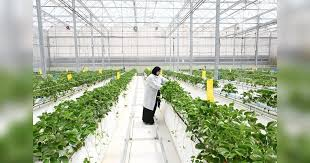
A significant driver of commercial strategy shifts in the UAE food and agriculture sectors is the integration of technology. From precision farming to artificial intelligence, technology is reshaping how agricultural businesses operate.
Farmers are increasingly adopting smart irrigation systems, drones for crop monitoring, and data analytics for better decision-making. These technologies not only enhance productivity but also minimize resource waste, ensuring that agriculture becomes more sustainable.
The UAE government is also investing in research and development to promote agri-tech startups, fostering an environment where innovation can flourish. This strategic focus on technology positions the UAE as a leader in modern agricultural practices.
Consumer preferences in the UAE are evolving, impacting commercial strategies across the food and agriculture sectors. The demand for organic, locally sourced, and healthy food options is on the rise.
As a response, businesses are pivoting their strategies to cater to these preferences. Retailers are increasingly showcasing locally grown produce in their stores, and restaurants are emphasizing farm-to-table concepts that highlight fresh ingredients. This shift not only supports local farmers but also reduces the carbon footprint associated with food transportation.
Moreover, younger consumers are becoming more conscious of the environmental impact of their food choices. This awareness is prompting companies to adopt sustainable practices and communicate their efforts transparently to build trust with their customers.
The UAE government plays a pivotal role in supporting the transformation of the food and agriculture sectors. Through various initiatives and policies, the government is creating an ecosystem conducive to growth and innovation.
Programs aimed at enhancing local food production, such as the “National Food Security Strategy 2051,” emphasize the importance of self-sufficiency. By providing grants, subsidies, and research funding, the government encourages businesses to invest in sustainable agriculture and food technology.
Furthermore, the establishment of agricultural free zones allows foreign investors to engage in the sector, bringing in global expertise and capital. These initiatives not only enhance local capabilities but also position the UAE as an attractive destination for agricultural investment.
Sustainability is no longer just a buzzword; it is at the core of commercial strategy shifts in the UAE food and agriculture sectors. The emphasis on reducing food waste, conserving water, and promoting sustainable farming practices reflects a broader commitment to environmental stewardship.
Retailers and producers are increasingly adopting circular economy principles, focusing on reducing waste and reusing resources. For example, initiatives to convert food waste into compost or energy are gaining ground, showcasing innovative solutions to common challenges.
Moreover, educational campaigns aimed at consumers highlight the importance of sustainable food choices, encouraging individuals to support local farmers and sustainable practices. This collective effort reinforces the idea that sustainability is a shared responsibility among consumers, businesses, and governments alike.
Looking ahead, the future of food innovation in the UAE appears bright. With ongoing commercial strategy shifts, the country is poised to become a global leader in the food and agriculture sectors.
Investments in research and technology will continue to amplify agricultural productivity, while government support will ensure that the sector remains resilient in the face of global challenges.
Moreover, as the UAE strives to build a diversified economy, the food and agriculture sectors will play a crucial role in contributing to economic stability and growth. The integration of sustainable practices and innovative technologies will not only enhance food security but also create opportunities for future generations.
Commercial strategy shifts in the UAE food and agriculture sectors are more than just responses to challenges; they represent a proactive approach to building a sustainable and secure future. By embracing technology, adapting to consumer trends, and prioritizing sustainability, stakeholders are setting the stage for a resilient agricultural landscape.
As the UAE continues to evolve its commercial strategies, the commitment to innovation and sustainability will be key in navigating the complexities of a changing world. The journey ahead is filled with potential, and the UAE stands ready to lead in the global food and agriculture arena.
Do Follow Estate Magazine on Instagram
Read More:- UAE Export Diversification: Unlocking Opportunities Beyond Energy Commodities 2026