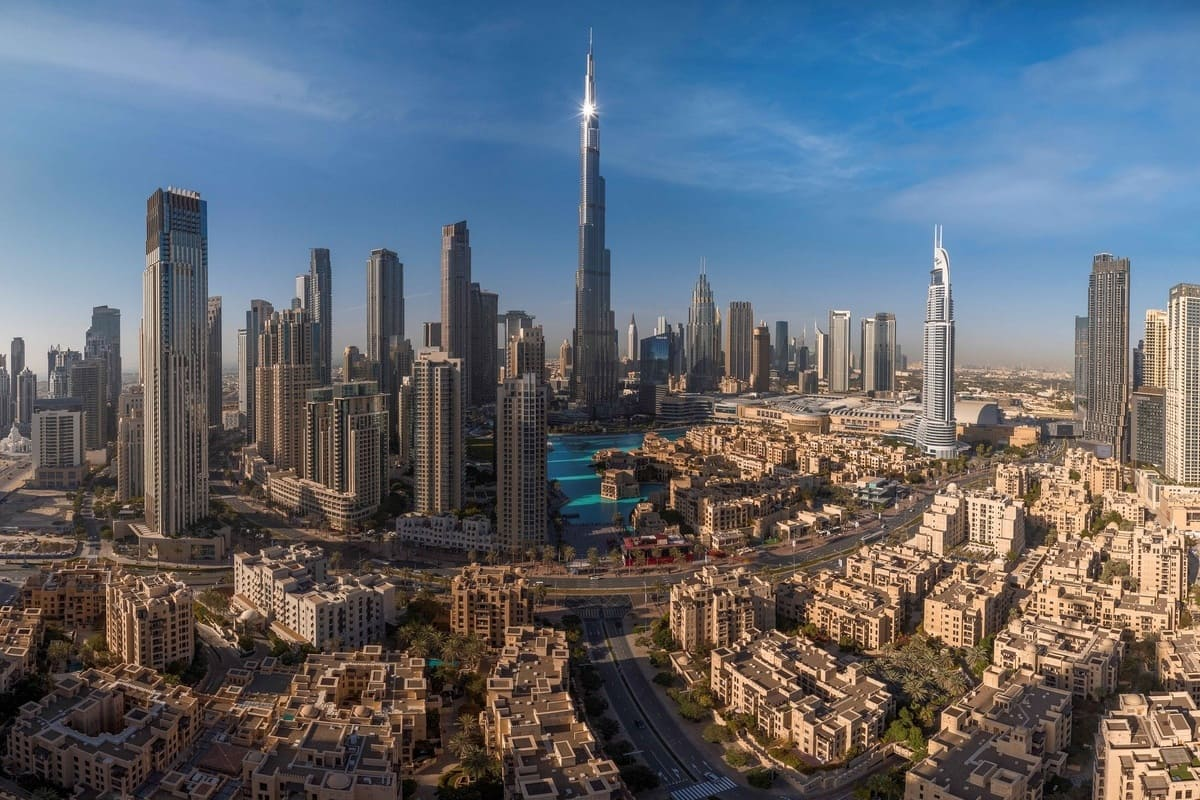

The Dubai market is experiencing a transformative phase marked by end-user demand and community-led growth. These elements are reshaping the landscape, making it more vibrant and responsive to the needs of its residents. As we delve deeper into how these factors intertwine, we can uncover the driving forces behind Dubai’s economic evolution.
End-user demand refers to the purchasing decisions made by individuals who plan to use a property for residential purposes rather than as an investment. In Dubai, this demand has surged, influenced by several factors.
One primary reason for this increase is the international appeal of Dubai as a living destination. The city offers a blend of luxury, culture, and innovation that attracts people from all over the globe. With favorable living conditions, a robust infrastructure, and a strategic location, it’s no wonder that end-users are flocking to make Dubai their home.
Moreover, the pandemic has shifted priorities for many individuals. People are now more inclined to seek spaces that foster community living, comfort, and accessibility. This shift has greatly influenced the types of properties in demand, leading to a rise in family-oriented developments and community-centric projects.
Community-led growth refers to initiatives driven by local residents and stakeholders to improve their surroundings and create a sense of belonging. In Dubai, this approach has gained traction, reflecting a broader trend toward more inclusive urban development.
As communities become more engaged, they influence the types of amenities and services needed in their neighborhoods. This grassroots movement helps developers understand local preferences better, leading to projects that resonate with the end-user demand. For instance, areas that prioritize parks, recreational spaces, and cultural venues are increasingly favored, showcasing how community input shapes real estate offerings.
Furthermore, community involvement fosters a sense of ownership among residents. When people feel connected to their neighborhoods, they are more likely to invest in their properties and contribute to local initiatives. This dynamic not only enhances the value of real estate but also creates vibrant, thriving communities.
The close relationship between end-user demand and real estate development in Dubai cannot be overstated. Developers are now attuned to the needs and desires of potential residents, leading to innovative projects that cater to a diverse audience.
For instance, there has been a noticeable shift towards sustainable and eco-friendly developments. End-users are increasingly conscious of their environmental impact, prompting developers to incorporate green technologies and sustainable practices. This trend not only meets the demand for environmentally friendly living spaces but also aligns with Dubai’s vision of becoming a leading sustainable city.
Additionally, developers are focusing on mixed-use properties that combine residential, commercial, and recreational spaces. This approach allows for a more integrated lifestyle, appealing to modern families and individuals who seek convenience and community engagement.
In today’s digital age, technology plays a crucial role in fostering community-led growth. Social media platforms and online forums enable residents to voice their opinions, share ideas, and connect with one another, creating a strong sense of community.
In Dubai, various initiatives leverage technology to engage residents in the development process. For example, local councils often use online surveys and social media campaigns to gather feedback on proposed projects. This input proves invaluable, helping developers tailor their offerings to better suit the community’s needs.
Moreover, technology facilitates the creation of virtual communities where residents can discuss local issues, organize events, and collaborate on projects. These digital platforms enhance community cohesion, ensuring that growth is not just about buildings but also about nurturing relationships among residents.
As Dubai continues to evolve, the synergy between end-user demand and community-led growth will shape its future. Developers, policymakers, and residents must work collaboratively to create sustainable and inclusive urban environments.
This partnership can lead to the development of affordable housing options, improved public spaces, and enhanced community services. By prioritizing the needs of end-users, stakeholders can ensure that growth benefits everyone, not just investors.
The future of the Dubai market also hinges on adaptability. As preferences change, so too must the approach to development. Flexibility in design and planning will allow for the incorporation of emerging trends, ensuring that the city remains a desirable place to live.
The interplay between end-user demand and community-led growth is pivotal in shaping the Dubai market. As residents become more engaged and developers respond to their needs, the city is poised to thrive. This evolving landscape emphasizes the importance of collaboration and responsiveness, ensuring that Dubai remains a vibrant hub for individuals from all walks of life.
As we look ahead, it is clear that understanding and embracing these dynamics will be crucial in fostering a prosperous and inclusive environment for all residents.
Do Follow Estate Magazine on Instagram
Read Next – Saudi Suppliers Poised for Increased Participation in New Murabba Development