

In an increasingly digital world, the rise of dangerous online trends has become a pressing concern for families. With children and teenagers often at the forefront of these trends, parents are more vigilant than ever. This growing awareness influences family relocations to global Countries and cities as they seek safer environments for their children. Each country has its own unique approach to managing and mitigating these online dangers, revealing a fascinating tapestry of strategies and solutions.
Every country faces the challenge of dangerous online trends, but their responses vary widely. Some nations opt for strict regulations and monitoring, while others focus on education and community involvement. These differences often reflect cultural values and the level of trust in governmental intervention.
In the United States, for example, there’s a strong emphasis on personal responsibility and parental control. Parents are encouraged to monitor their children’s online activities while schools provide educational resources on digital safety. Conversely, countries like Finland adopt a more communal approach, integrating digital literacy into the national curriculum from an early age. Understanding these varied approaches can help families decide where they might feel safest and most supported.
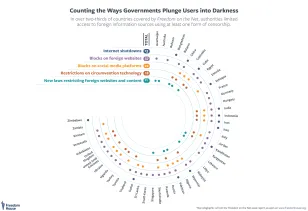
Countries differ significantly in their strategies for addressing dangerous online trends, primarily focusing on either education or regulation.
In Japan, for instance, the government has implemented strict regulations around online content aimed at minors. This includes monitoring social media platforms for harmful trends and issuing warnings to parents about potential risks. The Japanese approach reflects a societal belief in protecting children through oversight.
On the other hand, in Denmark, the emphasis is placed on educating young people about digital citizenship. Schools incorporate lessons about identifying harmful content and thinking critically about online interactions. This proactive stance encourages children to be self-regulating and responsible users of technology.
In several countries, local organizations play a crucial role in combating dangerous online trends. For instance, Australia has seen a surge in community initiatives aimed at raising awareness about online safety. These programs often involve workshops for parents and teens, helping them navigate the complexities of the internet together.
Contrastingly, in Canada, community-led campaigns often focus on mental health, recognizing the impact that online trends can have on young people’s well-being. By fostering a supportive environment, families can better manage the pressures that come from social media and peer influence.
Social media platforms are at the heart of many dangerous online trends, prompting countries to tailor their responses accordingly. In the UK, for example, the government has worked alongside tech companies to develop guidelines that promote safer online environments for young users. This collaboration aims to tackle the issues of cyberbullying and harmful content head-on, ensuring that social media remains a safe space.
In contrast, countries like Russia have taken a more authoritarian stance, implementing strict controls over internet use and monitoring online activities. This response raises questions about privacy and freedom, as the government seeks to curb the influence of harmful online trends.
Cultural values greatly influence how countries address dangerous online trends. In collectivist societies, such as those in many Asian countries, there tends to be a stronger sense of community responsibility for children’s well-being. This often results in initiatives that promote communal monitoring of online activities and collective engagement in digital literacy programs.
Conversely, in individualistic societies like the United States, the focus remains on personal accountability. Parents are encouraged to take the initiative, with many seeking out resources to educate themselves and their children about online safety. This cultural difference shapes the way families perceive risks and the measures they are willing to take to protect their children.
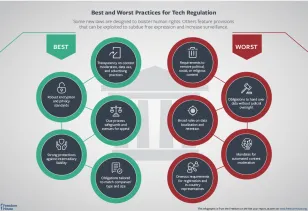
As technology evolves, so do the challenges associated with dangerous online trends. Countries must adapt continuously to the changing landscape of the internet. Emerging trends, such as virtual reality and the metaverse, pose new risks that require fresh approaches to safety.
Countries that invest in research and ongoing education about digital safety are likely to lead the way in developing effective strategies. By fostering cooperation between governments, educators, and tech companies, nations can create safer digital environments for their citizens.
Families considering relocation to a global city often weigh the safety of their children against the dangers posed by online trends. Understanding how different countries handle these issues can inform their decisions.
From strict regulations to community-driven initiatives, various approaches offer valuable lessons. Parents must consider their values, the cultural context, and the resources available in each location. Ultimately, prioritizing digital safety can help families find the best environment for their children to thrive in a complex online world.
Do Follow Estate Magazine on Instagram.
Read More:- UAE Child Digital Safety: 7 Strong Community Initiatives Explained